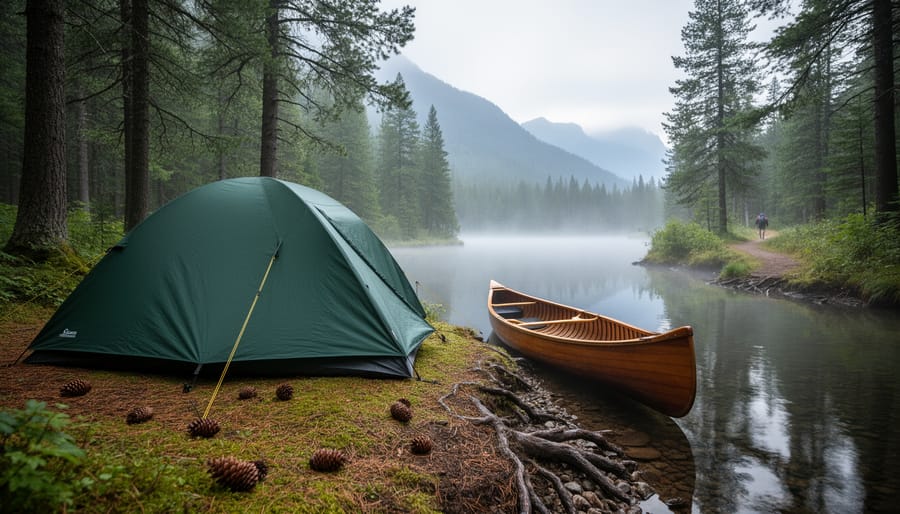
Canada’s national parks are free to visit from June 19 to September 7, 2026, and the same program offers 25% off camping and overnight stays at Parks Canada facilities during this period. No pass is required. The free admission applies to every national park, national historic site, and national marine conservation area operated by Parks Canada across the country, making this summer an exceptional opportunity for forest campers and backcountry explorers to experience landscapes that normally carry entry fees.
This summer-long program opens doors to some of Canada’s most stunning wilderness camping destinations. Picture waking up to mountain views in Jasper, paddling through Georgian Bay’s island-dotted waters, or spotting black bears along coastal trails in Pacific Rim. For campers who’ve been putting off that cross-country adventure or families considering their first overnight in the wilderness, the timing couldn’t be better.
The savings add up quickly. A family of four visiting multiple parks over a two-week trip could save hundreds on admission fees alone, and the camping discount makes extended stays far more affordable. Whether you’re planning a single weekend getaway or a months-long exploration of Canada’s protected spaces, understanding how this program works will help you make the most of free access while it lasts.
What’s Included in the 2026 Free Access Program
The Camping Discount: 25% Off Overnight Stays
The 25% camping discount brings the overnight experience within reach for more forest campers, though it requires separate payment from the free admission. When you book a campsite at any Parks Canada campground during June 19 to September 7, 2026, you’ll automatically receive 25% off camping stays at checkout. This discount applies to both frontcountry sites with facilities and many backcountry reservations where overnight fees are charged.
Booking works the same way it always does through the Parks Canada reservation system. The discount triggers when your selected dates fall within the program window, so there’s no special code or separate registration. For popular forest camping destinations like Jasper, Banff, or Fundy, you’ll want to book well in advance, the combination of free entry and discounted camping will draw crowds to prime sites. Many campers are already securing reservations for July and August weekends.
The discount covers your nightly camping fee but doesn’t extend to equipment rentals, activity permits, or firewood bundles. For families planning a week in the woods, that 25% savings can offset gear upgrades or allow you to extend your trip by an extra night under the trees.
Best National Parks for Forest Camping During Free Access
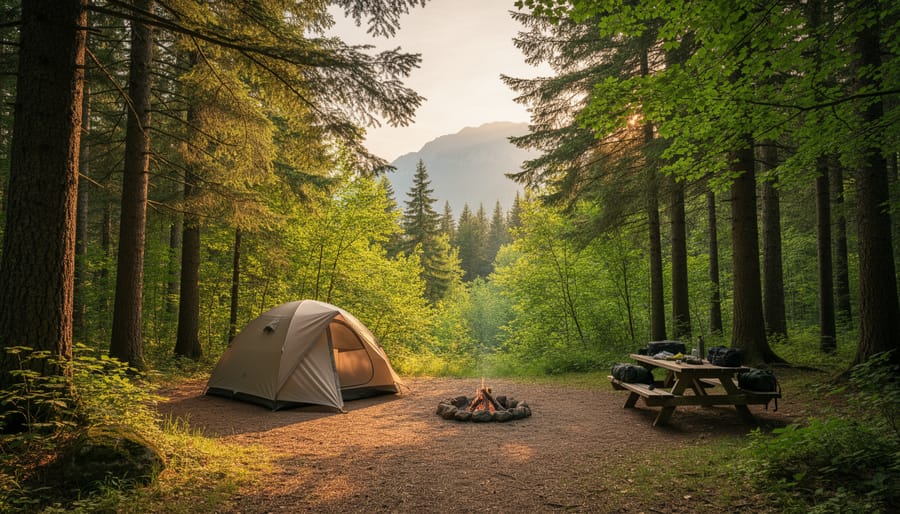
Canada’s vast network of national parks offers some of the best forest camping experiences on the continent, and the summer 2026 free access period is your chance to explore them without entry fees. From coastal rainforests to boreal wilderness, these parks deliver unforgettable forest camping adventures.
Pacific Rim National Park Reserve on Vancouver Island wraps you in ancient temperate rainforest where Sitka spruce and western red cedar tower overhead. The Green Point Campground puts you steps from both old-growth forest trails and the crashing Pacific surf. Walk the Rainforest Trail at dawn and you might spot black bears foraging among sword ferns, while bald eagles perch in centuries-old trees. The forest here feels primeval, with moss draping every surface and fog rolling through the canopy.
Head east to Banff National Park in the Rockies, where subalpine forests of lodgepole pine and Engelmann spruce frame turquoise lakes. Tunnel Mountain Campground offers frontcountry access with forested sites, while backcountry permits let you venture into remote valleys where elk bugle in September meadows. The forest transitions dramatically with elevation, from dense montane woods along the valleys to wind-stunted krummholz near treeline. One camper told us about waking at Two Jack Lakeside to find a family of mule deer browsing just outside her tent, the morning light filtering through the pines.
Riding Mountain National Park in Manitoba showcases boreal forest mixing white spruce, trembling aspen, and balsam fir. The park sits at the intersection of three ecosystems, creating exceptional wildlife diversity. Wasagaming Campground provides well-serviced forest sites, while backcountry campers can paddle into wilderness areas where moose wade through lily-padded lakes and black bears roam the berry patches. The forest here hums with life during summer, from wood frogs calling in wetlands to great grey owls hunting meadow edges.
Out east, Fundy National Park in New Brunswick combines Acadian forest with the world’s highest tides. The Point Wolfe Campground nestles among red spruce and balsam fir, where red squirrels chatter and white-tailed deer browse at dusk. Trails lead through dense canopy down to the Bay of Fundy coastline, offering a unique blend of forest and maritime environments.
Each park presents distinct forest ecosystems and camping styles, from ocean-side rainforest to mountain wilderness to boreal heartland. The free access period lets you sample different regions and discover which Canadian forest landscape calls to you.
How to Make the Most of Your Free Access Period
What You’ll Still Need to Pay For
While admission to national parks is free during the 2026 program, you’ll still need to budget for several expenses. Camping fees remain payable, though you’ll receive a 25% discount on overnight stays from June 19 through September 7. This applies to both frontcountry campgrounds and some backcountry sites.
Equipment rentals, canoes, kayaks, bikes, or oTENTik accommodations, aren’t included in the free access program. If you’re planning backcountry camping in certain parks, you’ll pay for wilderness camping permits beyond the basic reservation fee. Activity-specific permits like fishing licenses or guided program fees also cost extra.
Hot showers, firewood bundles, and interpretive programs often carry separate charges at individual campgrounds. The free admission gets you through the gate, but the full camping experience comes with typical campground costs, just discounted for summer 2026. Plan your budget accordingly, especially if you’re visiting multiple parks or staying several nights. The savings on admission alone can offset some of these other expenses, particularly for families visiting several sites during the program period.
Forest Camping Safety and Preparedness in National Parks
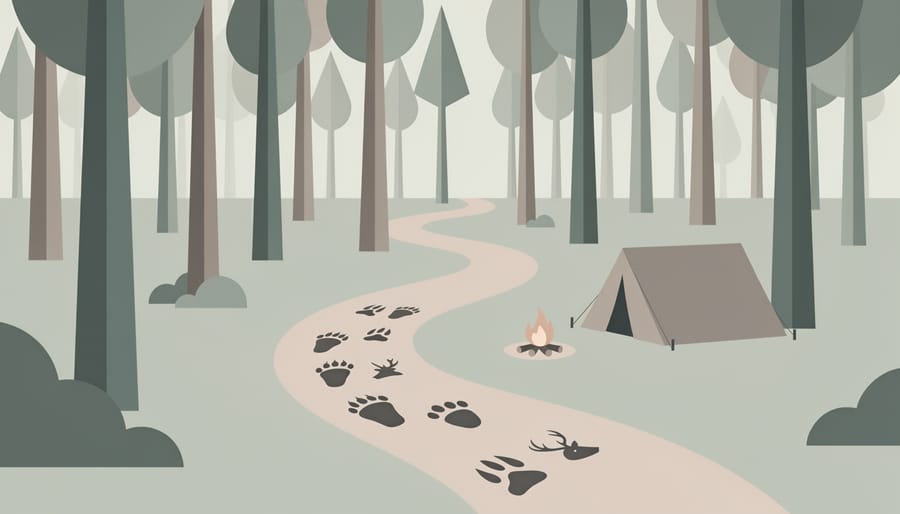
The free access program opens the door to Canada’s pristine wilderness, but forest camping in national parks demands respect for nature and serious preparation. Summer 2026 brings its own considerations: warmer weather increases wildlife activity, fire bans become common, and popular trails see heavier traffic during the June 19, September 7 window.
Wildlife Awareness Is Non-Negotiable
Black bears and grizzlies are active throughout Canadian national parks during summer months. Store all food, toiletries, and scented items in bear-proof lockers or hang them properly, never in your tent. Carry bear spray on your hip (not buried in your pack) and know how to use it before you need it. Make noise on trails, particularly near water sources at dawn and dusk. In cougar territory like British Columbia’s mountain parks, keep children close and don’t hike alone at twilight. If you encounter a bear, stay calm, speak firmly, and back away slowly. If it’s a cougar, make yourself large, maintain eye contact, and fight back if attacked.
Fire Regulations and Leave No Trace
Summer fire bans can appear with little notice across Canadian parks. Check current restrictions before you leave and again when you arrive. When fires are permitted, use established fire rings, keep flames small, and drown embers completely before sleeping or leaving camp. Pack out every piece of trash, including micro-plastics from food wrappers. Wash dishes 70 meters from water sources using biodegradable soap sparingly.
Last summer, Ottawa camper Marcus Chen planned a week in Jasper’s backcountry. Two days before departure, he checked the park’s fire status and discovered a total ban had just been implemented. He switched his meal plan to a cold-soak system and brought extra fuel for his camp stove. “It wasn’t what I’d planned, but adapting meant I could still go safely,” he says. His trip continued without incident while neighboring areas fought wildfires.
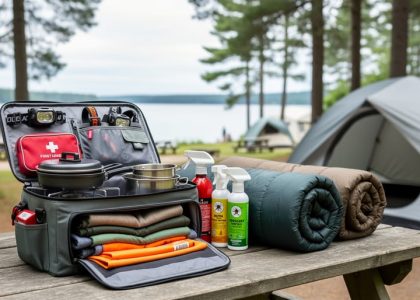
Pack layered clothing for temperature swings, a reliable water filter, a first aid kit with blister treatment, topographic maps, and a headlamp with spare batteries. Cell service is unreliable to non-existent in remote forest campgrounds, plan accordingly.
Beyond National Parks: Other Forest Camping Options in Canada
Canada’s national parks aren’t your only option for forest camping adventures. Provincial parks across the country offer comparable wilderness experiences, often with easier booking and lower fees year-round. British Columbia’s Manning Provincial Park and Ontario’s Algonquin Provincial Park deliver dense old-growth forests and extensive trail systems without the national park crowds. Many provincial parks maintain frontcountry sites with amenities similar to Parks Canada campgrounds, plus backcountry zones for canoe camping and remote trekking.
Crown land camping opens up vast forested territories for experienced campers seeking solitude. In provinces like Ontario, Quebec, and British Columbia, you can pitch a tent on designated public lands for free, provided you follow local regulations about fire bans, site distances from water, and maximum stay limits. This option demands more self-sufficiency and familiarity with camping safety gear but rewards you with complete immersion in Canada’s boreal and coastal forests.
Private forest campgrounds fill the gap for campers who want wooded settings with full services. Family-run sites near national parks often provide shaded lots under towering pines or cedars, with hot showers, firewood delivery, and flexible check-in times. These venues work well for extending your trip before or after the June 19 to September 7 free access window, letting you explore different summer camping ideas across multiple forest ecosystems throughout the season.
Common Questions About Free National Park Access
Do I still need to make campground reservations during the free access period?
Yes. Free admission to the parks doesn’t guarantee campsite availability, you still need to reserve your spot in advance, especially at popular forest campgrounds that fill quickly during summer months.
How do I enter the park without a pass?
Simply arrive during regular operating hours between June 19 and September 7, 2026. No pass, voucher, or special code is required, admission is automatically free for all visitors during this period.
Does the 25% camping discount apply to backcountry permits?
The discount applies to overnight stays at Parks Canada campgrounds, but backcountry camping permits follow their own fee structure. Check with your specific park about permit requirements and whether discounts extend to wilderness camping.
What if I arrive outside regular operating hours?
Parks Canada’s regular operating hours vary by location and season. If you arrive when gates are unstaffed, free admission still applies, just proceed to your reserved campsite and follow posted entry instructions.
One question that comes up frequently: “Can I enter multiple parks on the same day?” Absolutely. The free access program covers all participating sites, so you can visit several national parks or historic sites in one day without paying multiple entry fees. This works particularly well for campers exploring regions with clustered parks, like driving from one forest camping destination to another in the Rockies.
For families wondering about equipment rentals, canoes, bikes, interpretive gear, those aren’t included in the free admission. The program waives entry fees and discounts camping, but activity fees and rentals follow standard pricing. Similarly, interpretive programs or guided tours may carry separate charges depending on the park.
If you’re concerned about proving eligibility, don’t be. Unlike discount programs that require ID or documentation, the June 19 to September 7, 2026 period offers free admission to everyone. You won’t need to show residency, age verification, or membership cards at the gate.
The 2026 summer free access program offers an exceptional window for forest campers to experience Canada’s national park ecosystems without the usual entry fee barrier. From June 19 through September 7, you can explore towering old-growth forests, backcountry trails, and remote wilderness campgrounds while saving 25% on overnight stays. This isn’t just about budget-friendly camping, it’s a chance to connect with some of the country’s most protected and pristine forest landscapes during prime summer weather. Start scouting your preferred parks now, book your campsites early to secure the discount, and pack your gear for an adventure that showcases the very best of Canada’s woodland heritage. The forests are waiting.