Booking a Parks Canada campsite in Alberta means navigating a precise reservation window that opens in January each year, and in 2026, savvy campers can stack their planning with the Canada Strong Pass to save 25% on stays between June 19 and September 7. The process is straightforward: log into the Parks Canada reservation system at 8 am Mountain Time on launch day, search your target campground, and secure your dates up to the campground’s booking horizon. Most frontcountry sites allow reservations until 2 pm on your arrival day, though a few popular spots cut off two days in advance.
For anyone weighing Alberta camping destinations Parks Canada properties stand out for their backcountry access, interpretive programs, and proximity to iconic landscapes like Jasper, Banff, and Waterton Lakes. But they also fill fast. Last-minute campers who checked availability in July found slim pickings at signature lakefront loops, while those who marked their calendars for the January launch snagged prime spots beside glacial rivers and beneath the Rockies’ ragged skyline.
Understanding the booking mechanics, fee structures, and seasonal promotions turns what could be a frantic scramble into a confident reservation. This guide walks you through every step, from setting up your account before launch day to verifying your confirmation email and packing for high-elevation weather swings that can drop temps twenty degrees after sunset.
What You’ll Need Before You Book
Before you jump into the Parks Canada Reservation Service, gather a few essentials to make your booking experience smooth and stress-free. You’ll need an active Parks Canada account, creating one takes just a few minutes and saves time when reservations open in January 2026. Having your login details ready before the launch means you won’t scramble for a password reset while competition heats up for popular Alberta campgrounds like those in Banff or Jasper.
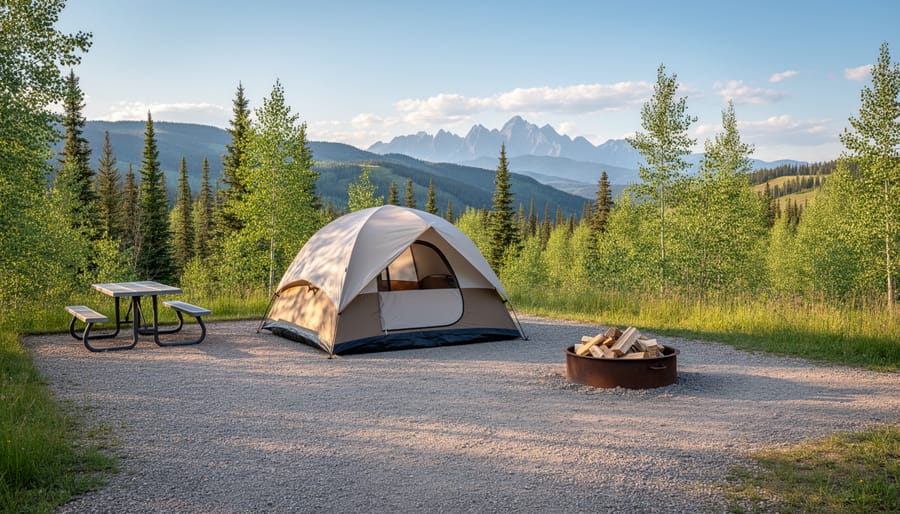
Next, research your preferred parks and campgrounds ahead of time. Each site offers different amenities, from lakeside views to trailhead access, and knowing which campground suits your trip style helps you move quickly through the booking process. Flexible arrival and departure dates give you more options if your first-choice weekend is already full. Understanding your group size and equipment type, tent, RV length, trailer dimensions, ensures you select a compatible site, since not all spots accommodate larger rigs or groups.
- Parks Canada account username and password
- List of preferred campgrounds and backup options
- Flexible arrival and departure dates
- Total number of campers in your party
- Vehicle or RV specifications (length, slide-outs, electrical needs)
- Valid credit or debit card for payment
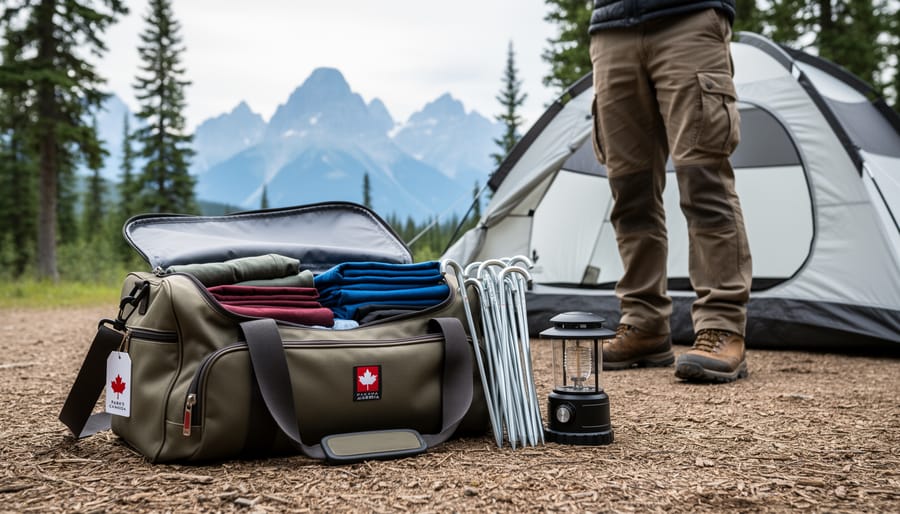
A valid payment method is non-negotiable, Parks Canada accepts major credit and debit cards, and you’ll complete payment immediately to confirm your reservation. If you’re planning to take advantage of the Canada Strong Pass discount (25% off camping from June 19 to September 7, 2026), have your pass details handy to apply the savings during checkout. Finally, consider what gear you’ll bring: knowing whether you need an electrical hookup or if you’re packing your own camping cookware helps you filter campground amenities and choose the right site for your Alberta adventure.
Understanding Booking Windows and Cut-Off Times
When Reservations Open for 2026
Parks Canada launches reservations for the 2026 visitor season in January, but the precise date isn’t announced until a few weeks beforehand. That means you’ll want to check the official reservation page regularly as December turns into January, or sign up for Parks Canada email updates if available. See 2026 launch dates once they’re confirmed, typically, the system opens at 8 am local park time on launch day.
Popular Alberta campgrounds like those in Banff and Jasper fill within minutes for peak summer weekends, especially Canada Day long weekend and mid-July through August. Set a phone alarm for 7:55 am on launch day, have your account logged in and your target parks shortlisted, and be ready to move fast. If you’re eyeing a specific site with electrical hookups or a lakefront view, treat the launch like concert tickets: competition is fierce, and hesitation means you’ll be browsing what’s left rather than choosing what you want.
Same-Day and Short-Notice Booking Rules
Most Parks Canada campgrounds in Alberta follow the standard rule: you can book up until 2 pm on the day you plan to arrive. However, a handful of sites require you to reserve at least two days in advance, cutting off reservations at 2 pm two days prior to your arrival date.
In Alberta, this two-day cutoff doesn’t apply to the major national parks like Banff or Jasper, but it’s worth checking the specific campground page before you finalize your plans. Outside Alberta, Parks Canada applies this rule to remote or smaller campgrounds such as Pine Lake in Wood Buffalo National Park, Loop Brook and Illecillewaet in Glacier National Park, and Snowforest in Mount Revelstoke National Park. The pattern suggests the restriction targets campgrounds with limited staffing or facilities where last-minute arrivals create operational challenges.
If you’re eyeing a spontaneous trip, verify the booking cutoff for your chosen campground during your search on the Parks Canada Reservation Service. The site displays each campground’s specific rules on its detail page, so you won’t miss the window. For true same-day availability, stick to the larger, more accessible campgrounds that accept reservations right up until 2 pm on arrival day.
Step-by-Step: How to Reserve Your Campsite
Reserving your Parks Canada campsite in Alberta is straightforward once you understand the system. The Parks Canada Reservation Service walks you through each step online, and if you’ve gathered your account details, park preferences, and payment method ahead of time, you can secure your spot in minutes, even during the competitive January 2026 launch window when reservations open for the visitor season.
Here’s exactly how to book:
- Create or log in to your Parks Canada account. Visit the Parks Canada Reservation Service website and sign in. If you’re new, you’ll need to create an account with your email address, a password, and basic contact information. Returning users can log in with their existing credentials. Having an account set up before the January launch saves precious time when popular Alberta campgrounds fill quickly.
- Search for Alberta campgrounds and your preferred dates. Use the search tool to browse Parks Canada sites in Alberta, Banff, Jasper, Waterton Lakes, Elk Island, and Wood Buffalo all appear in the results. Enter your arrival and departure dates. Remember that you can book starting at 8 am local park time on the reservation launch day, and you must complete your booking by 2 pm on your arrival day (or two days prior for select campgrounds like Pine Lake in Wood Buffalo).
- Filter by site type and amenities. Narrow your options using filters for tent sites, RV sites with electrical hookups, group camping areas, and accessible sites. You can also filter by campground features such as showers, flush toilets, or proximity to trailheads. This step helps you find a site that matches your gear and comfort level.
- Select an available site. Browse the map view or list view to see which sites are open for your dates. Click on a site number to view details, including whether it’s a pull-through or back-in for RVs, the site’s size, and any shade or privacy features. Once you’ve chosen, add it to your cart.
- Review fees and apply the Canada Strong Pass discount if eligible. The system will display the nightly camping fee and any applicable service charges. If you’re traveling between June 19 and September 7, 2026, and hold a Canada Strong Pass, enter your pass number to unlock 25% off camping fees plus free admission to the park. Double-check that the discount appears before proceeding.
- Enter camper and vehicle details. Provide the names of everyone in your party, your vehicle license plate number, and the number of tents or RVs you’re bringing. This information is required for park entry and campground check-in.
- Complete payment. Enter your credit or debit card information and review the total. The system accepts major credit cards and processes payments securely. Click “Confirm Reservation” to finalize your booking.
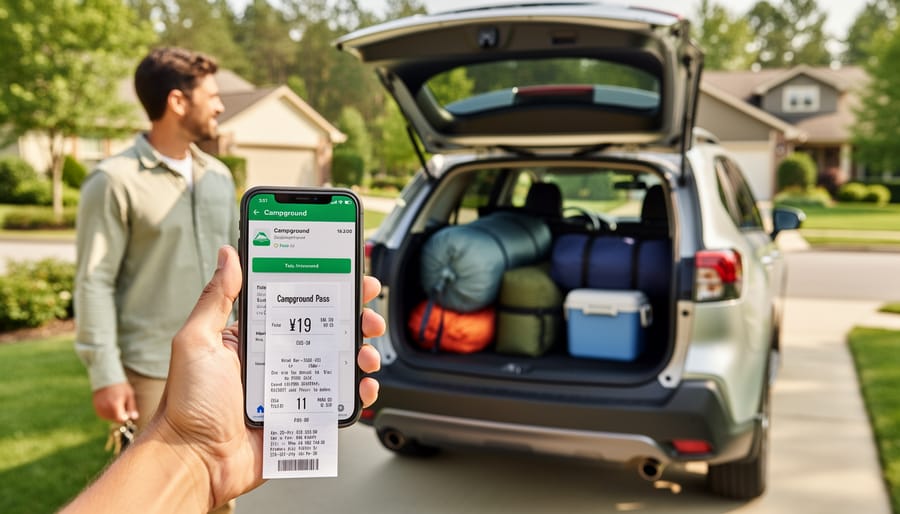
- Save your confirmation email. You’ll receive an email with your reservation number, campsite details, arrival instructions, and a receipt. Save a digital or printed copy to present at the campground gate when you check in.
If you encounter a “sold out” message for your first-choice campground, try adjusting your dates by a day or two, or explore nearby parks. Elk Island and Waterton Lakes often have more availability than Banff or Jasper during peak summer weeks. The reservation system updates in real time, so checking back after cancellations, especially closer to your trip, can reveal last-minute openings.
Fees, Discounts, and the Canada Strong Pass for 2026
Camping fees at Parks Canada sites in Alberta vary by park, campground, and site type, but you can expect to pay for both the nightly camping rate and a non-refundable reservation fee (typically around $12 per reservation). Frontcountry sites with electrical hookups cost more than unserviced sites, and group camping areas carry different pricing. Check the specific campground page during your search to see exact nightly rates, because they differ between parks like Banff, Jasper, Waterton Lakes, and Elk Island.
The Canada Strong Pass is back for 2026 and delivers two big benefits: free admission to all Parks Canada sites and 25% off camping and overnight stays from June 19 to September 7, 2026. If you’re planning a summer camping trip in Alberta, this discount can save you a significant chunk on your total bill, especially for longer stays or families booking multiple nights. The 25% reduction applies to the nightly camping fee, not the reservation fee, but it still adds up quickly.
To apply the discount, you’ll need to purchase or activate your Canada Strong Pass before completing your reservation. During checkout, the system should recognize your pass and automatically apply the 25% discount to eligible dates. Double-check the final cost breakdown before you confirm payment to make sure the reduction appears. Review the Canada Strong Pass terms on Parks Canada’s site to verify eligibility and any exclusions.
When budgeting for your Alberta camping trip, start with the nightly rate, multiply by the number of nights, add the reservation fee, then subtract 25% from the camping portion if your dates fall within the Canada Strong Pass window. Don’t forget to factor in your Discovery Pass or annual park entry if you’re traveling outside the Canada Strong Pass period, plus any gear rentals, firewood purchases, or activity fees once you arrive. Planning the math ahead prevents surprise costs at checkout.
Safety Warnings and Important Considerations
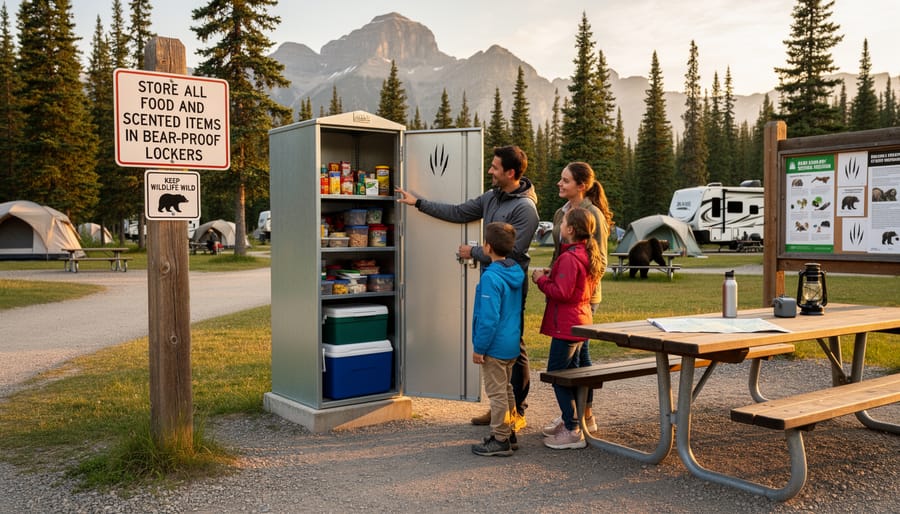
Alberta’s backcountry demands respect. Parks Canada campgrounds sit in active wildlife corridors, and whether you’re pitching a tent in Jasper’s alpine meadows or exploring Banff’s valley floors, you’re a guest in bear country. Always store food, toiletries, and scented items in your vehicle or the bear-proof lockers provided at your site, never in your tent. Keep a clean camp: cook away from your sleeping area, dispose of greywater properly, and pack out all garbage. If you’re new to wildlife safety, invest in quality camping safety gear like bear spray and know how to use it before you arrive.
Weather in Alberta swings wildly. A sunny morning in the Rockies can turn into a cold, driving rain by afternoon, and prairie campgrounds face intense sun and sudden thunderstorms. Layer your clothing, pack rainwear for camping and bring a four-season sleeping bag if you’re visiting mountain parks in spring or fall. Hypothermia is a real risk at elevation, even in summer.
Fire restrictions shift throughout the season based on drought conditions and wildfire activity. A campfire ban might be in place when you reserved your site months earlier, so verify current restrictions before you leave home. Many campgrounds post updated alerts at entry kiosks, but don’t rely on arrival-day information, plan alternative evening activities just in case. Finally, Alberta’s parks span vast distances with limited cell service. Download offline maps, share your itinerary with someone at home, and carry a first-aid kit.
How to Change or Cancel Your Reservation
Changing or canceling your Parks Canada reservation follows the same timing window as booking: you can modify or cancel online through the Parks Canada Reservation Service from 8 am local park time until 2 pm on your scheduled arrival day. Log in to your account, navigate to “My Reservations,” and select the booking you need to adjust. From there, you can choose new dates, switch campsites if availability permits, or cancel entirely.
Parks Canada charges a cancellation fee that varies depending on how far in advance you cancel, so review the fee schedule on their website before finalizing your decision. If you’re canceling to rebook different dates at the same campground, it often makes sense to search for new availability first, then cancel the original reservation immediately after securing the replacement, to minimize the risk of losing both.
One camper from Calgary shared her strategy for flexibility: she books her top-choice dates as soon as the January 2026 reservations launch, then checks back weekly for cancellations if she wants to adjust. Campgrounds in popular Alberta parks like Banff and Jasper see regular turnover as other travelers change plans, so persistence can pay off.
If your campground follows the two-day-prior booking cutoff, like Pine Lake in Wood Buffalo National Park, the same rule applies to changes and cancellations. You’ll need to act at least two days before your arrival. Keep confirmation emails and booking numbers handy, double-check the local park time zone, and plan for weather or road delays that might affect your ability to modify reservations on short notice.
Verifying Your Booking and Final Pre-Arrival Steps
Once you’ve booked your Parks Canada campsite in Alberta, a few final checks will help you arrive prepared and avoid any surprises. Your confirmation email is your most important document, so save it to your phone or print a copy to bring with you. When you check in at the campground gatehouse or self-registration kiosk, you’ll need to show this confirmation along with valid ID and your Parks Canada pass (or proof of payment if you purchased admission separately). The check-in process is typically quick, but you should arrive during posted gate hours, which vary by campground and season, so confirm these ahead of time.
Before you leave home, run through a quick pre-arrival checklist to make sure nothing falls through the cracks:
- Print or save your confirmation email for easy access at check-in
- Review the campground map and locate your assigned site number online
- Check the latest weather forecast for the park and pack accordingly
- Confirm gate hours and any seasonal access restrictions
- Pack your Parks Canada pass or Canada Strong Pass receipt
- Review current park alerts for fire bans, wildlife warnings, or road closures
Take a few minutes to download offline maps or save screenshots of your campground layout, especially if you’re heading to a remote mountain park where cell service can be spotty. Confirm your site’s specific amenities one more time, whether that’s electrical hookups, water taps nearby, or a fire pit, so you bring the right gear and adapters. Checking the Parks Canada website or app for any last-minute alerts about trail closures, bear activity, or fire restrictions means you won’t arrive to unexpected changes. These small steps turn your reservation into a smooth, stress-free start to your Alberta camping adventure.
Frequently Asked Questions About Parks Canada Alberta Camping
Booking a Parks Canada campsite in Alberta raises plenty of practical questions, especially if you’re planning your first visit or navigating the 2026 reservation system. Here are answers to the most common queries we hear from campers.
When do 2026 reservations open for Parks Canada campgrounds in Alberta?
Parks Canada will launch reservations for the 2026 visitor season in January. Set a reminder and plan to book early, as popular Alberta campgrounds fill quickly during peak summer months.
Can I book a campsite on the same day I arrive?
Most Parks Canada campgrounds accept reservations until 2 pm on your arrival day, but some, like Snowforest in Mount Revelstoke and Loop Brook and Illecillewaet in Glacier, require booking at least two days in advance. Always check the specific campground’s policy before counting on last-minute availability.
What is the Canada Strong Pass and how does it save me money?
The Canada Strong Pass offers free admission and 25% off camping and overnight stays with Parks Canada from June 19 to September 7, 2026. If you’re planning multiple trips or an extended stay during that window, the discount can add up significantly.
What should I do if my preferred campground is fully booked?
Check back regularly for cancellations, consider nearby Parks Canada or Alberta Parks campgrounds as alternatives, or adjust your travel dates to midweek or shoulder season when availability improves. Flexibility often unlocks great camping experiences you might not have considered initially.
Another frequent question involves group camping. Many Parks Canada sites in Alberta offer group camping areas that accommodate larger parties, but these require separate reservations and often have different fee structures. Contact the specific park directly if your group exceeds typical site capacity or if you need adjacent sites for family reunions or group outings.
If you’re unsure whether a campground has different booking windows or special rules, the Parks Canada Reservation Service website lists each location’s specific policies under the campground details page. Don’t rely on assumptions, Pine Lake in Wood Buffalo, for example, also follows the two-day-prior cutoff, which can catch first-time visitors off guard if they’re expecting same-day flexibility.
Cancellation policies matter too. You can modify or cancel frontcountry reservations starting at 8 am local park time up until 2 pm on your arrival day, but understanding any applicable fees ahead of time helps you plan with confidence. Life happens, and knowing your options reduces stress if your trip plans shift unexpectedly.