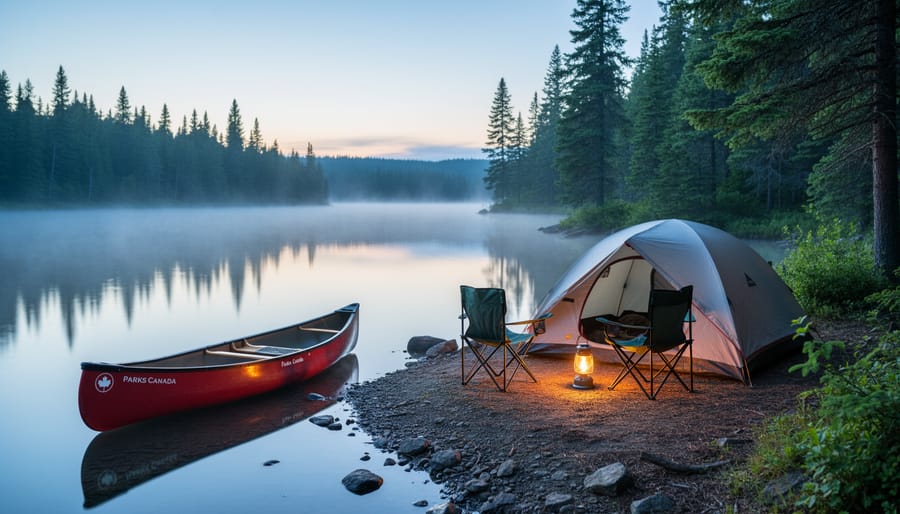
Booking a campsite in a Canadian national park requires advance planning through the Parks Canada reservation system, which opens each January for the upcoming season. For 2026, reservations launched on January 21, and campers can secure sites either online through the Parks Canada website or by calling 1-877-737-3783. The system operates on a first-come, first-served basis once bookings open, so popular campgrounds in Banff, Jasper, and Pacific Rim fill up fast, sometimes within hours.
The process itself is straightforward: you’ll need a Parks Canada account, a valid credit card, and specific dates and campground names ready before you start. Most campers succeed by logging in right when reservations open at 8 a.m. Eastern Time, though you can also book anytime after if sites remain available. One Ontario family I spoke with last summer secured a coveted spot at Kejimkujik by setting an alarm and having their wish list prioritized by campground.
Timing matters more than complexity here. Unlike Ontario Parks, which accepts reservations up to five months ahead on a rolling basis (book January 15 for June 15 arrival, for example), Parks Canada opens the entire season at once. This creates a rush for prime weekends and popular trails, but it also means flexibility if your dates are midweek or shoulder season. The 25 per cent discount during Canada Strong Pass periods (December 12 to January 15 and June 19 to September 7) makes off-peak booking even more appealing.
Understanding the cancellation policy, fees, and verification steps before you book will save headaches later. This guide walks through exactly what you need, how to navigate both online and phone systems, and how to confirm your reservation is locked in.
What You Need Before You Book
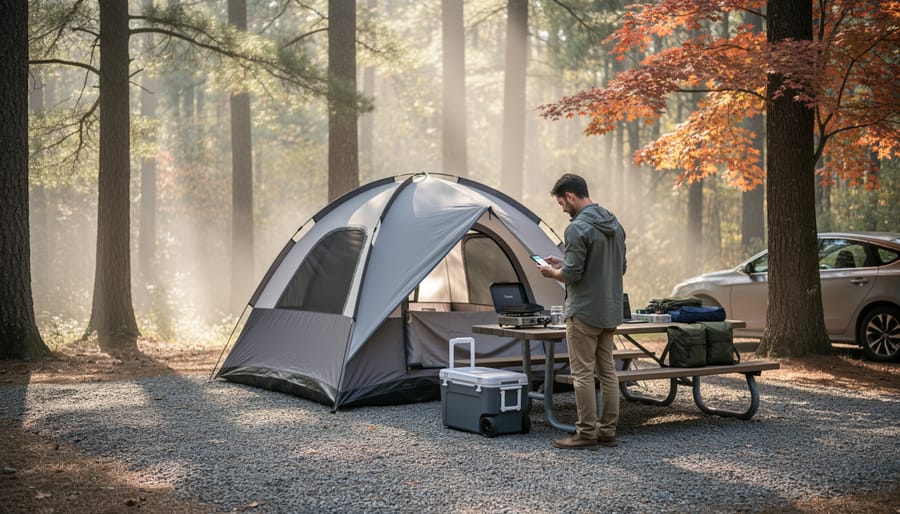
Before you join the rush when Parks Canada’s 2026 reservations open on January 21, gather everything you’ll need to move quickly and confidently through the booking process. Popular forest camping sites in Banff, Jasper, and other national parks fill up within hours of the reservation window opening, so having your materials ready isn’t just convenient, it’s often the difference between securing your dream campsite and settling for second-best.
Start by creating or locating your Parks Canada account credentials. You’ll need a registered account to make online reservations, which means setting up your profile with an email address and password before the booking frenzy begins. Test your login a few days early to avoid password reset delays when every minute counts.
Next, complete your campground research ahead of time. Know exactly which parks and specific campgrounds match your forest camping style, whether you’re seeking backcountry solitude or family-friendly facilities with electrical hookups. Identify your top three choices so you can pivot quickly if your first pick sells out while you’re booking.
Have these essentials ready when you start your reservation:
– Valid Parks Canada account username and password
– Credit or debit card for payment (Visa, MasterCard, or American Express)
– Specific campground names and preferred site numbers (if applicable)
– First, second, and third choice dates with flexible arrival windows
– Emergency contact information and vehicle details
– Phone number and email for confirmation delivery
Keep alternative date ranges handy, ideally spanning a week or two around your ideal camping window. This flexibility becomes your safety net when high-demand weekends or long weekends book solid within the first hour. Many experienced campers find hidden gems by arriving mid-week rather than fighting for Friday slots.
Finally, ensure you have reliable internet access or clear phone reception. The online portal at handles most bookings fastest, but the phone line at 1-877-737-3783 serves as your backup if the website experiences heavy traffic. Preparing these materials in advance transforms a potentially stressful scramble into a smooth, successful booking experience.
Important Timing and Availability Rules
Timing is everything when it comes to securing your ideal campsite in Canada’s national parks. The Parks Canada reservation system operates on a strict schedule, and understanding these rules can mean the difference between landing that perfect lakeside spot and settling for a less desirable site, or missing out entirely.
The 2026 camping season reservations open on Wednesday, January 21, 2026. Mark this date on your calendar now, because it’s when the floodgates open for booking campsites across all participating Parks Canada locations. This single launch date applies to the entire visitor season, which typically runs from late spring through early fall, depending on the specific park and campground.
Most Parks Canada campgrounds allow you to book up to several months ahead of your planned arrival date. The system works on a rolling availability window, meaning you can reserve sites well in advance to secure your preferred dates and locations. For comparison, Ontario Parks accepts reservations up to five months ahead (you could book January 15 for a June 15 arrival), while BC Parks offers advance booking with similar lead times, though Parks Canada’s centralized January launch creates a slightly different dynamic.
Peak season, roughly late June through August, presents the toughest competition for campsites. Long weekends like Canada Day and Labour Day disappear first, especially at iconic parks. If you’re targeting these prime periods, treat the January 21 opening like a sprint: have your account ready, your dates selected, and alternative options identified before you start clicking.
Off-peak periods in May, September, and early October offer more flexibility and availability. You’ll still need to book in advance for popular parks, but you won’t face the same morning-of-launch pressure. Plus, visiting during the Canada Strong Pass discount periods (December 12 to January 15 and June 19 to September 7) saves you 25 per cent on camping fees while enjoying quieter trails. For detailed information about the 2026 Parks Canada launch dates and booking windows for specific parks, check official Parks Canada resources before the reservation season opens.
Step-by-Step: How to Reserve Your Campsite
Booking Online
Head to the Parks Canada reservation website and log in to your account, you’ll land on a search page where you can browse by province or jump directly to a specific park if you already know where you want to camp. The interface shows available campgrounds with real-time camping maps and calendar views that display open dates at a glance, making it easy to see what’s actually bookable before you dive into details.
Type the park name into the search bar or click through the regional map to narrow your options. Once you’ve selected a campground, you can filter by site type, whether you need electric hookups want a walk-in tent site, or prefer waterfront access. The system shows each site’s amenities, proximity to facilities, and nightly rate, so you can compare before committing. If you’re planning to reserve Bruce Peninsula or another high-demand park, have backup dates ready, popular weekends fill within minutes of the January booking launch.
Click on your chosen site and select your arrival and departure dates from the calendar. The portal automatically calculates your total, including campground fees and the booking service charge. Review everything carefully: site number, dates, and any add-ons like firewood bundles or Parks Canada passes if you don’t already have one.
Enter your payment details and confirm. You’ll see a confirmation screen immediately, and an email with your reservation number will arrive within a few minutes. Print or screenshot that confirmation, you’ll need it when you check in at the park gate.
Booking by Phone
If you prefer speaking with someone directly or encounter technical issues online, Parks Canada’s phone reservation service offers a straightforward alternative. Call 1-877-737-3783 to reach the reservation centre, the same toll-free number that serves all Parks Canada sites across the country.
When you call, the agent will guide you through the process step by step. Have your information ready: which park and campground you’re targeting, your preferred dates (plus a few backup options), the number of people in your group, and whether you need specific amenities like electrical hookups or accessible sites. You’ll also need a credit card to complete the booking. The agent will check availability in real-time and can answer questions about individual campsites that might not be clear from online descriptions.
Expect longer wait times during peak booking periods, especially in the first few days after the January 21, 2026 launch date for the season. Early mornings and weekdays typically see shorter hold times than lunch hours or weekends. Many experienced campers report wait times ranging from 10 to 45 minutes during high-demand windows, so plan accordingly, put the call on speaker and tackle another task while you wait.
Phone booking shines when you need personalized help: comparing multiple campgrounds in the same park, understanding site-specific details like tree cover or proximity to water, or navigating complex group bookings. It’s also your best option if the online system shows conflicting availability or you’re booking for someone without internet access.
Understanding Fees, Discounts, and the Canada Strong Pass
Camping fees at Parks Canada sites vary based on the type of campground you choose and the amenities included. Frontcountry campgrounds with services like flush toilets, showers, and electrical hookups typically cost more than basic sites in wilderness areas. Most developed campgrounds range from $20 to $40 per night, while backcountry camping permits usually run lower. You’ll see specific nightly rates listed when you search for sites during the reservation process, and these fees cover your camping spot plus any included facilities.
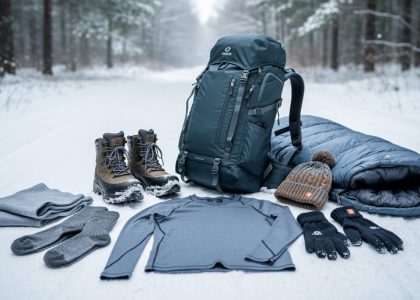
The Canada Strong Pass discount is worth planning around if your schedule allows flexibility. During these two periods in 2026, you’ll save a quarter on your camping fees, which adds up quickly for longer trips or family stays. The December to mid-January window works beautifully for winter camping enthusiasts looking to experience snow-covered forests and quiet trails, while the summer discount period coincides with some of the best weather for forest camping.
During part of the summer Canada Strong Pass window, national parks also have free dates 2026 when entry fees are waived, though camping fees still apply at the discounted rate. This combination creates excellent value for campers planning multi-day forest adventures.
Keep in mind that fees beyond your campsite reservation may include a daily vehicle entry permit if you’re staying at a park that charges admission. Some campgrounds also charge extra for firewood bundles, hot showers, or special amenities like oTENTik structures. Budget for these additional costs when calculating your total trip expense, but the base camping rate remains your primary consideration when booking.
Cancellations, Changes, and Refund Policies
Life happens, weather changes, work conflicts arise, or plans shift. Understanding Parks Canada’s cancellation and refund policies before you book protects both your money and your peace of mind.
You can cancel or modify your reservation online through your Parks Canada account or by calling 1-877-737-3783. The refund you receive depends on when you cancel. If you cancel more than three days before your arrival date, you’ll get a full refund minus a cancellation fee. Cancel within three days of arrival, and you’ll lose your first night’s camping fee plus the cancellation fee. No-shows receive no refund at all.
The cancellation fee itself is relatively modest but worth noting when you’re budgeting. It’s deducted from whatever refund you’re owed, so factor it in if you’re booking tentatively.
Transferring your reservation to different dates works similarly to canceling and rebooking, you’ll pay the cancellation fee and any difference in camping rates. You cannot transfer your reservation to another person; Parks Canada requires the name on the reservation to match the camper checking in.
In cases of park closures due to wildfires, flooding, or other emergencies beyond your control, Parks Canada typically issues full refunds without cancellation fees. They’ll contact you directly if your reserved campground becomes unavailable, but it’s smart to check park alerts as your trip approaches.
One Alberta family learned this lesson when they booked Jasper sites six months ahead, only to face a last-minute work transfer. Because they understood the three-day cutoff, they canceled four days early and recouped most of their costs, enough to rebook at a closer park without financial stress.
Confirming Your Reservation and What Happens Next
Once you submit your reservation, Parks Canada sends confirmation immediately, online bookings generate an instant on-screen message with your reservation number, while phone bookings conclude with the agent reading your details back to you. Save that confirmation number right away; you’ll need it to access or modify your booking later.
Within minutes, check your email for the official confirmation message from Parks Canada. This email contains everything critical: your reservation number, the specific campground and site number, your arrival and departure dates, the total amount charged, and a breakdown of nightly fees plus the reservation service charge. Print this confirmation or save it to your phone in a format you can access without internet, because you’ll present it when you check in at the campground entrance.
Before you close that email, run through this quick verification checklist to catch any errors while you still have time to contact Parks Canada:
- Confirmation number received and saved in multiple places
- Email confirmation downloaded or printed for offline access
- Payment processed successfully on your credit card or bank statement
- Arrival and departure dates match your intended trip exactly
- Campground name and site number are correct
- Cancellation and refund policy terms understood
- Check-in time and arrival instructions reviewed for your specific park
You can log back into your Parks Canada account anytime to view your reservation details, but don’t rely on having internet access once you’re heading to remote forest camping locations. Most national park campgrounds require check-in between 2 p.m. and the posted office closing time, so plan your travel accordingly. If something looks wrong on your confirmation, call 1-877-737-3783 within 24 hours to sort it out, catching mistakes early saves headaches and potential fees down the road.
Frequently Asked Questions
Booking a Parks Canada campsite raises several practical questions, especially for first-time visitors navigating the system. Here are answers to the most common concerns campers face when planning their national park adventures.
How far in advance can I book my Parks Canada campsite?
Parks Canada launches reservations for the 2026 visitor season on January 21, 2026, allowing you to book months ahead for peak summer dates. The exact booking window varies by campground, but most sites open for reservation well in advance of the camping season.
Can I reserve a specific campsite, or just a general spot?
Yes, Parks Canada allows you to select specific numbered sites when booking online, so you can choose based on amenities, privacy, proximity to facilities, or waterfront access. This gives you control over your camping experience rather than being assigned a random spot upon arrival.
What should I do if my preferred dates are completely sold out?
Check back regularly for cancellations, which often open up closer to arrival dates, or consider adjusting your plans by a day or two. Many campgrounds also maintain a limited number of walk-in sites available on a first-come, first-served basis for flexible campers willing to arrive early.
How does Parks Canada compare to provincial park systems like Ontario Parks or BC Parks?
The main differences lie in booking windows and fee structures, Ontario Parks accepts reservations up to five months in advance, while BC Parks has its own advance booking system with different timelines. Parks Canada offers unique discount periods like the 25 percent off during Canada Strong Pass dates from December 12 to January 15, 2026, and June 19 to September 7, 2026.
Understanding the distinctions between provincial parks vs Parks Canada helps you plan effectively across different park systems. Ontario Parks, for instance, allows bookings as early as January 15 for a June 15 arrival, giving you a five-month window. BC Parks operates its own reservation platform with varying advance booking periods depending on the specific campground or trail.
Walk-in sites do exist at many Parks Canada campgrounds, but availability isn’t guaranteed. These sites work best for spontaneous trips or when you have backup plans, since arriving early, sometimes before noon, increases your chances of snagging one of these coveted spots.
Modifications after booking are possible through the same channels you used to reserve: online or by calling 1-877-737-3783. You can change dates, upgrade sites, or add nights to your reservation, though availability and potential fees apply depending on how close you are to your arrival date.
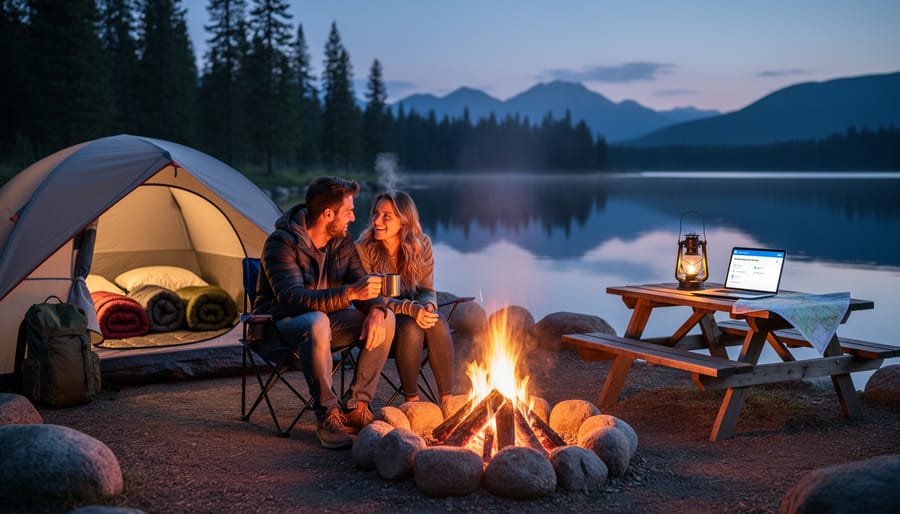
With the January 21, 2026 reservation launch just around the corner, you’re now equipped with everything you need to secure your spot in Canada’s stunning national parks. Set that calendar reminder, gather your account details and payment information, and be ready when bookings open. Remember to stay flexible with your dates, research your preferred campgrounds in advance, and don’t hesitate to use the phone line if the online system gets busy.
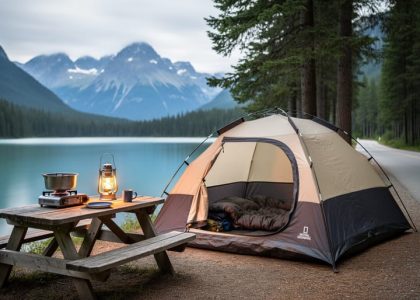
Last summer, my neighbour Sarah managed to snag a prime site at Banff’s Tunnel Mountain campground by preparing ahead and logging on right when reservations opened. She told me the early morning effort was worth every second once her family was sitting around the campfire with the Rockies towering overhead. That kind of forest camping magic is waiting for you, too.
Whether you’re planning your first national park adventure or you’re a seasoned camper returning to a favourite spot, the reservation process doesn’t have to be stressful. Follow the steps we’ve covered, understand the policies, and you’ll be well on your way to mornings filled with birdsong and evenings under starlit Canadian skies. Your forest camping adventure starts with a single click or phone call. Happy camping, and see you out there on the trails.