Picture this: You’re nestled in the Canadian wilderness under a canopy of stars, but your phone battery isn’t dead, your mini-fridge is keeping tomorrow’s breakfast fresh, and your kids are watching a movie in the trailer after a long day of hiking. This is the modern camping experience that electrical campsites deliver—a perfect blend of outdoor adventure and practical convenience.
Campsites with electricity, commonly offering 15, 30, or 50-amp hookups, have transformed how Canadian families and outdoor enthusiasts experience the backcountry. Whether you’re pulling an RV through the Rocky Mountains, setting up a tent trailer in Algonquin Park, or simply want to keep your CPAP machine running during a weekend getaway, these powered sites open up camping possibilities that rough camping simply can’t match.
The beauty of electrical campsites lies in their versatility. Sarah, a Ontario-based camper, told us how accessible camping became for her family after her father’s retirement—his medical devices required reliable power, yet he wasn’t ready to give up their annual summer traditions. Electrical sites meant he could still wake up to loons calling across the lake.
But finding available electrical sites during peak season requires strategy, and knowing what amperage you need prevents frustrating booking mistakes. Understanding the differences between site types, mastering reservation timing, and preparing your equipment properly means the difference between a seamless outdoor experience and a trip plagued by blown breakers and unavailable hookups. Let’s explore how to secure the perfect powered campsite for your next Canadian adventure.
What Makes an Electrical Campsite Different (And Who Needs One)
Types of Electrical Hookups Explained
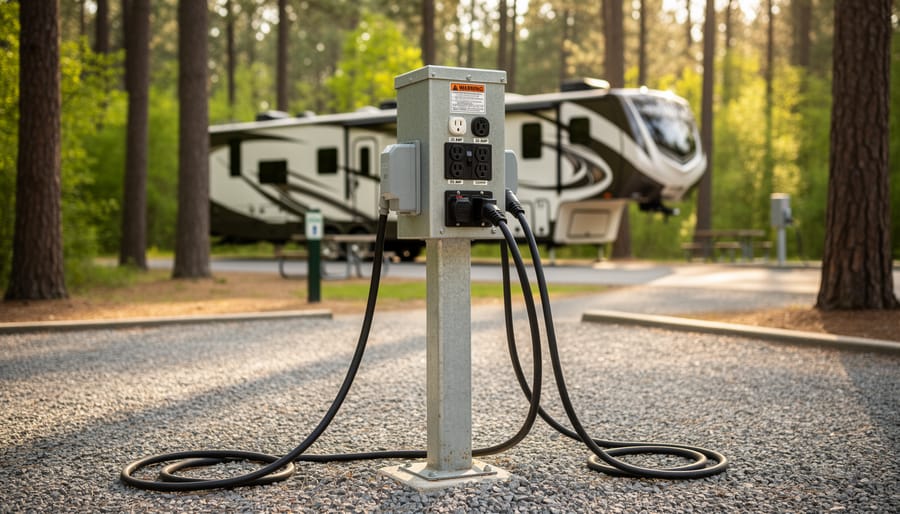
Understanding electrical hookups is simpler than you might think. Most Canadian campgrounds offer three amperage options, each designed for different camping styles.
The 15-amp hookup is your basic option, perfect for charging phones, running small LED lights, and powering a compact fan. Sarah from Peterborough shared that during her first family camping trip to Algonquin, a 15-amp connection kept their essential devices charged without overwhelming their budget. It’s ideal if you’re tent camping or using a small pop-up trailer.
Step up to 30-amp service, and you’ve entered the sweet spot for most RVers. This handles air conditioning, a microwave, and your water heater simultaneously. Think of it as the Goldilocks option – not too little, not too much. Most travel trailers and smaller motorhomes are designed around this standard.
The 50-amp hookup is the heavyweight champion, powering large motorhomes with multiple air conditioners, residential refrigerators, and all the comforts of home. If you’re running several appliances at once, this is your match.
Before booking, check your RV’s power cord or owner’s manual. The plug shape tells the story: 15-amp has two flat prongs, 30-amp features three prongs in a unique configuration, and 50-amp has four prongs. Most campgrounds clearly list available amperage in their site descriptions, making it easy to find your perfect electrical match.
Camping Scenarios Where Electricity Changes Everything
Having electrical hookups can transform challenging camping situations into comfortable, memorable experiences. For families with young children, electricity opens up possibilities that make camping with little ones genuinely enjoyable rather than stressful. The Johnsons from Calgary discovered this during their first family trip to Waterton Lakes National Park when their toddler needed a consistent sleep schedule. A simple fan for white noise and a night light made all the difference between peaceful nights and wakeful hours.
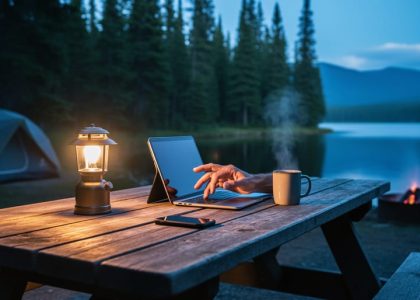
Extended stays become significantly more practical with electrical access. When Mark and Susan spent three weeks exploring Nova Scotia’s coastal campgrounds last summer, having electricity meant they could work remotely a few hours daily while still enjoying their adventure. Their laptop, phones, and portable WiFi hotspot stayed charged without draining their vehicle battery or requiring daily drives to find outlets.
Shoulder-season camping in Canadian spring and fall benefits tremendously from electrical hookups. A small electric heater transforms a chilly October evening in Algonquin Provincial Park from endurance test to cozy retreat. You’ll stay warm enough to enjoy the stunning fall colours without cutting trips short due to cold.
For campers requiring medical equipment like CPAP machines, refrigerated medications, or mobility device chargers, electrical sites aren’t just convenient—they’re essential. These hookups provide peace of mind that critical equipment will function reliably throughout your stay, making the outdoors accessible to everyone who needs consistent power for health reasons.
The Real Benefits of Choosing a Campsite with Electricity
Comfort and Convenience Features You Can Actually Use
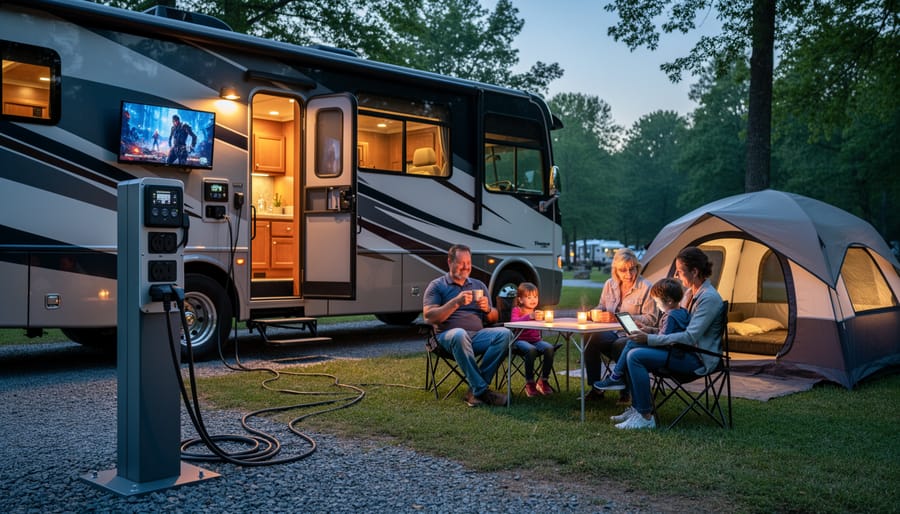
Having electricity at your campsite transforms your outdoor experience from rustic to remarkably comfortable. Picture this: Sarah, a mom from Ontario, told us how having power at her Algonquin Park campsite meant her kids could charge their tablets for rainy afternoon entertainment while she kept her phone ready for the stunning sunrise photos over the lake.
The practical benefits extend well beyond device charging. You can run a small coffee maker for that essential morning brew, power a portable heater during cool September evenings, or keep a fan running through humid summer nights. Many campers bring electric griddles or slow cookers, preparing hot meals without the constant attention a campfire demands. String lights around your site create a welcoming ambiance while providing safety lighting for nighttime bathroom trips.
For families with young children, electricity means running a bottle warmer or white noise machine. Medical equipment like CPAP machines operate reliably, opening camping opportunities for those who might otherwise hesitate. You can even bring a small portable fridge to keep perishables fresh throughout your stay, reducing trips to town and food waste. These conveniences don’t diminish the camping experience; they simply make it more accessible and enjoyable for everyone.
Safety and Health Advantages
Having electricity at your campsite becomes more than just convenience—it’s a genuine safety advantage in Canada’s vast wilderness. Last summer, the Morrison family from Ontario shared how their cooler’s power connection kept their daughter’s insulin properly refrigerated throughout their week-long stay at Algonquin Provincial Park. For campers managing medical conditions requiring devices like CPAP machines or nebulizers, electrical hookups transform camping from impossible to entirely accessible.
Beyond medical needs, electricity powers the essentials that keep you connected during emergencies. Your cell phone and satellite communication devices stay charged, ensuring you can reach park rangers or emergency services if needed. This peace of mind matters especially when exploring remote areas like those along the Cabot Trail in Nova Scotia or deep within British Columbia’s interior forests.
Food safety improves dramatically with reliable refrigeration. Rather than constantly replacing ice or worrying about spoilage in summer heat, your electric cooler maintains consistent temperatures, preventing foodborne illness that could ruin your trip. Evening safety gets a boost too—exterior lights illuminate your campsite perimeter, helping you navigate safely after dark and deterring curious wildlife from venturing too close. These practical advantages make electrical campsites particularly appealing for families with young children and first-time campers building confidence in the outdoors.
Extending Your Camping Season in Canadian Climates
Electrical hookups transform your camping season from a brief summer affair into a spring-through-fall adventure. Last April, the Morrison family from Ontario discovered this firsthand when their campsite heater turned a chilly evening at Algonquin into a cozy retreat. As Sarah Morrison shared, “We were warm enough to play cards in our trailer while snow dusted the pines outside.”
In coastal British Columbia, where spring arrives earlier but brings dampness, electric dehumidifiers and heaters keep RVs comfortable during March camping trips. Prairie campers face different challenges—September nights in Saskatchewan can drop near freezing, making electric space heaters essential for extending your season into the stunning fall colours.
Southern Ontario and Quebec campers often use fans and portable air conditioners during humid late-summer nights, while Maritime campers appreciate electric heaters well into October when fall foliage peaks. Having electricity means you’re prepared for whatever Canadian weather throws at you, whether that’s an unexpected cold snap in Jasper or a heat wave at Point Pelee. This flexibility lets you snag those quieter shoulder-season spots when crowds thin and wildlife viewing improves.
How to Find Campsites with Electricity Without the Hassle
Using Interactive Maps and Smart Filters
Finding the perfect campsite with electricity doesn’t have to mean scrolling through endless listings. Today’s digital tools make it remarkably simple to pinpoint exactly what you need. Here’s how to become a savvy searcher and save yourself valuable planning time.
Start by choosing a reliable camping platform like Parks Canada’s reservation service, provincial park websites, or popular apps like Campnab or The Dyrt. Once you’re in, head straight to the filter options, usually found in a sidebar or dropdown menu. Look for the “hookups” or “amenities” section and select “electrical” or “powered sites.” This single click eliminates hundreds of tent-only options from your results.
Next, get specific about amperage. If you’re bringing an RV or multiple devices, filter for 50-amp service. Weekend tent campers charging phones and running a small heater can select 15 or 30-amp options. Many platforms now let you stack filters, so add your preferred location, date range, and extras like showers or pet-friendly policies simultaneously.
Here’s a real-world tip from seasoned camper Maria from Ontario: “I always use the map view feature. It helped me discover a gorgeous site near Algonquin with 30-amp power that regular list view buried on page three. Seeing campgrounds geographically also revealed I was near a hiking trail I’d been wanting to explore.”
Don’t forget to save your favourite searches. Most platforms allow you to set alerts when sites matching your criteria become available, perfect for snagging cancellations at popular spots. With these strategies, you’ll find your ideal powered campsite in minutes, not hours.
Understanding Real-Time Availability and Booking Windows
Mastering availability calendars is your gateway to securing those coveted electrical sites, especially during Canada’s busy camping season from May through September. Most provincial and private campground booking systems use color-coded calendars where green indicates available sites, red shows booked dates, and yellow often means partially available for multi-night stays. Real-time updates are crucial because electrical sites book up fast—Sara from Winnipeg learned this when she refreshed her screen after hesitating five minutes and watched her desired Jasper site disappear.
For peak season success, set booking reminders for exactly when reservation windows open, typically four to six months in advance for provincial parks. Many campgrounds release sites at midnight or 7 AM sharp, and those electrical hookups at popular destinations like Algonquin or Banff fill within hours. Consider booking midweek arrivals rather than Friday nights, which are always first to go. If your preferred dates show fully booked, check back regularly—cancellations happen frequently, especially two weeks before arrival when campers finalize their plans. Some savvy campers even set multiple alarms to check availability during these golden windows.
What to Look for Beyond the Electrical Hookup
When you’ve found a site with electricity, take a moment to evaluate what else it offers. Water access nearby makes meal prep and cleanup significantly easier—Sarah from Winnipeg shared how having a tap within 30 meters of her site transformed her family’s camping routine during their week-long Riding Mountain adventure.
Check the proximity to washrooms and shower facilities, especially if you’re camping with young children or seniors. Sites tucked too far back might offer privacy but require longer nighttime walks. Consider the pad size too—a 30-amp site won’t help much if your RV barely fits! Look for level ground and adequate spacing from neighbors.
Picnic tables, fire pits, and shade coverage enhance your electrical site experience. Many Canadian parks offering electrical hookups also provide bear-proof food lockers—essential in spots like Jasper or Algonquin. Finally, scout the surrounding area for trail access, lake views, or playground proximity. The best electrical sites balance power convenience with natural beauty, giving you comfortable basecamp amenities while keeping that authentic outdoor connection.
Booking Your Electrical Campsite: Timing and Strategy
Peak Season vs. Shoulder Season: When to Book
Timing your reservation can make the difference between snagging that perfect powered site and settling for a spot far from the action. Peak season across most of Canada runs from late June through August, when families vacation and weather is warmest. During these months, electrical sites at popular parks like Banff or Algonquin book out within minutes of the reservation window opening—often six months in advance.
Sarah, a regular camper from Ontario, learned this the hard way: “I waited until May to book our July trip to Sandbanks. Every single electrical site was gone. Now I set reminders for the exact hour reservations open.”
Shoulder seasons—May, early June, and September—offer your best opportunity for last-minute bookings. Parks in British Columbia and the Maritimes often have excellent availability during these periods, with the bonus of fewer crowds and stunning fall colours. You’ll also save money, as many provincial parks reduce rates outside peak periods.
For winter camping enthusiasts seeking electrical hookups in places like Quebec or Alberta, booking two to three months ahead typically suffices. The key strategy: mark your calendar for the exact date your desired park opens reservations, create an account beforehand, and be ready to book immediately when the system goes live.
Cost Expectations and What You’re Actually Paying For
Electrical campsites typically cost between $35 to $55 per night at provincial parks across Canada, compared to $25 to $35 for non-serviced sites. That $10 to $20 premium might seem steep at first glance, but here’s what you’re really paying for.
Beyond the obvious electrical hookup, you’re investing in convenience and peace of mind. Lisa, a mom from Winnipeg, shared how electrical sites transformed her family’s camping trips: “With three kids under ten, being able to charge medical devices, keep a small fridge running, and have proper lighting made camping actually relaxing instead of stressful.”
Consider your actual needs before deciding. Weekend campers using electricity primarily for phone charging and maybe a fan might find better value in non-serviced sites and portable power banks. However, families with young children, campers requiring medical equipment, or those planning extended stays often find the premium completely worthwhile.
Private campgrounds sometimes charge $45 to $70 nightly but often include additional amenities like wifi, hot showers, and laundry facilities. Evaluate the total package rather than just the hookup itself. If you’ll use those extra services, the higher price delivers genuine value for your camping dollar.
Essential Gear and Safety Tips for Electrical Camping
Must-Have Electrical Camping Equipment
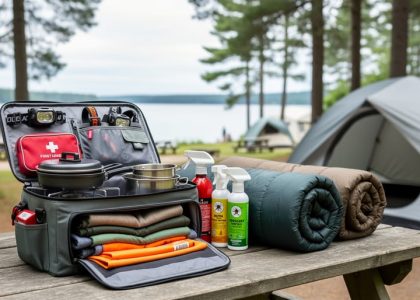
Before you head to your electrical campsite, gathering the right gear ensures you’ll use that power safely and efficiently. Trust me—learning this the hard way during a rainy weekend in Algonquin wasn’t fun!
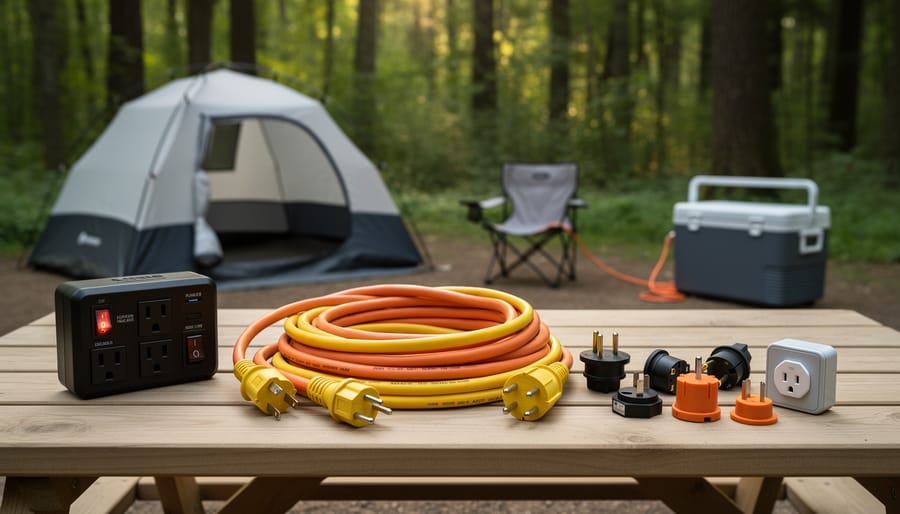
Start with a heavy-duty extension cord rated for outdoor use. For most Canadian campsites, you’ll need at least a 25-foot cord, though 50 feet offers more flexibility. Choose 12-gauge wire for appliances drawing significant power, as thinner cords can overheat. The Harper family from Manitoba learned this after their lightweight cord melted while running a small heater—yikes!
A quality surge protector is non-negotiable. Campground electrical systems can experience voltage fluctuations, and a sudden spike could fry your expensive electronics. Look for models with weatherproof casings and indicator lights showing proper grounding.
You’ll also want a 30-amp to 15-amp adapter if you’re using an RV or multiple devices. Many Canadian parks use 30-amp service, but your personal gear likely needs standard 15-amp outlets.
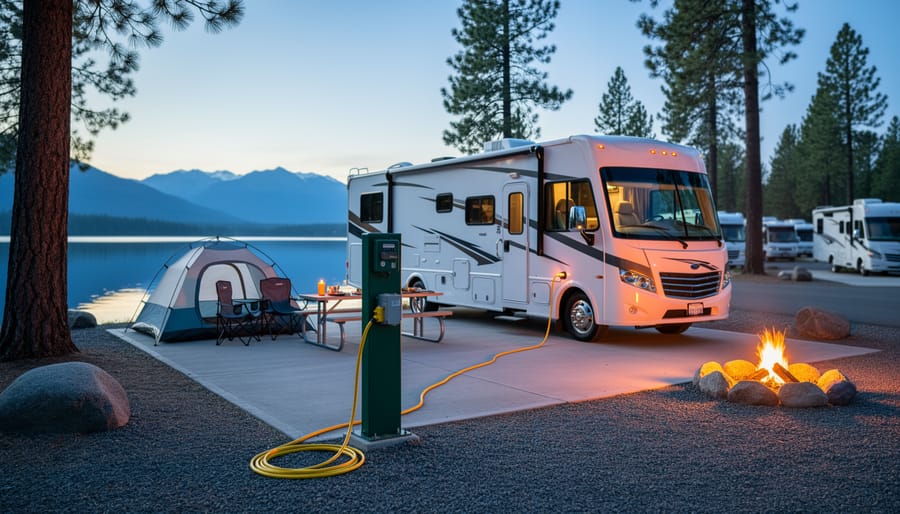
Finally, consider a power management station that displays voltage and amperage. This handy tool helps you avoid overloading the circuit—most sites limit you to 30 amps total. It’s like having a fuel gauge for electricity, preventing those awkward moments when you trip the breaker and plunge your neighbours into darkness.
Electrical Safety in Outdoor Environments
Enjoying the convenience of electricity at your campsite comes with important safety responsibilities, especially in Canada’s diverse and sometimes unpredictable weather conditions. Before plugging anything in, inspect your electrical cord for any signs of damage, fraying, or exposed wires. A camper I met at Algonquin Provincial Park once shared how he discovered his extension cord had been chewed by a curious squirrel overnight, a reminder that wildlife and electricity don’t mix well.
Always use outdoor-rated extension cords and ensure all connections remain elevated off the ground and protected from moisture. Rain is common across Canadian campsites, particularly in coastal British Columbia and the Atlantic provinces, so invest in weatherproof cord covers or junction boxes. Never plug in equipment when standing in water or on wet ground, and unplug devices during thunderstorms.
Avoid overloading the circuit by checking the amperage rating at your pedestal, typically 15 or 30 amps at Canadian campgrounds. Running multiple high-draw appliances like space heaters, electric grills, and air conditioners simultaneously can trip breakers or create fire hazards. Calculate your power needs beforehand and prioritize essential items.
In winter camping situations, keep electrical boxes clear of snow accumulation and ensure cords don’t become brittle in freezing temperatures. Ground Fault Circuit Interrupter (GFCI) protection is your best friend, immediately shutting off power if moisture is detected. Most modern campgrounds include this feature, but portable GFCI adapters offer extra peace of mind for older facilities.
Electrical campsites offer a valuable middle ground for those who want to experience Canada’s stunning wilderness without sacrificing essential comforts. Whether you’re camping with young children who need medical equipment powered overnight, working remotely from a breathtaking lakeside location, or simply prefer the convenience of charging your devices and running a small heater during chilly evenings, these sites expand your camping possibilities considerably.
The good news? Finding and reserving the perfect electrical campsite has never been easier. Modern booking platforms and provincial park systems now feature detailed filtering options that let you search specifically for sites with electrical hookups, compare amenities, read reviews from fellow campers, and secure your spot months in advance. Many platforms even display real-time availability and allow you to view actual site photos, taking the guesswork out of your selection.
Remember Sarah, the parent we met earlier, who found her family’s ideal lakefront electrical site through an online platform? Her experience reflects how accessible these conveniences have become. Today’s tools empower you to plan with confidence, choosing exactly the comfort level that matches your adventure style. From coast to coast, Canada’s electrical campsites are waiting to welcome you into nature on your own terms.