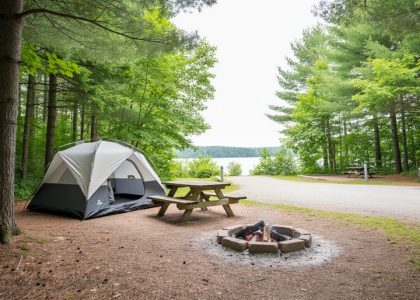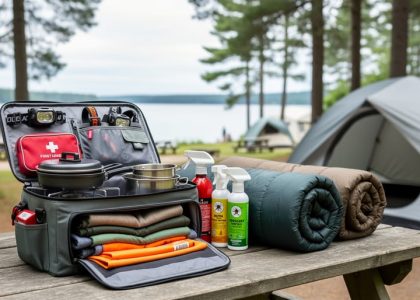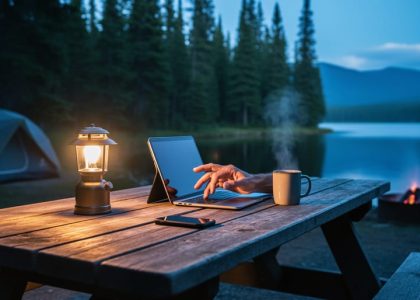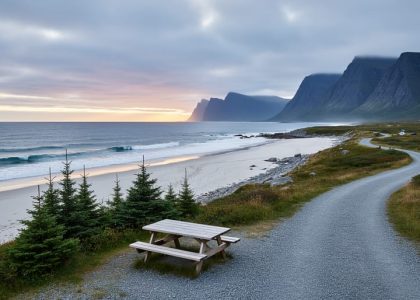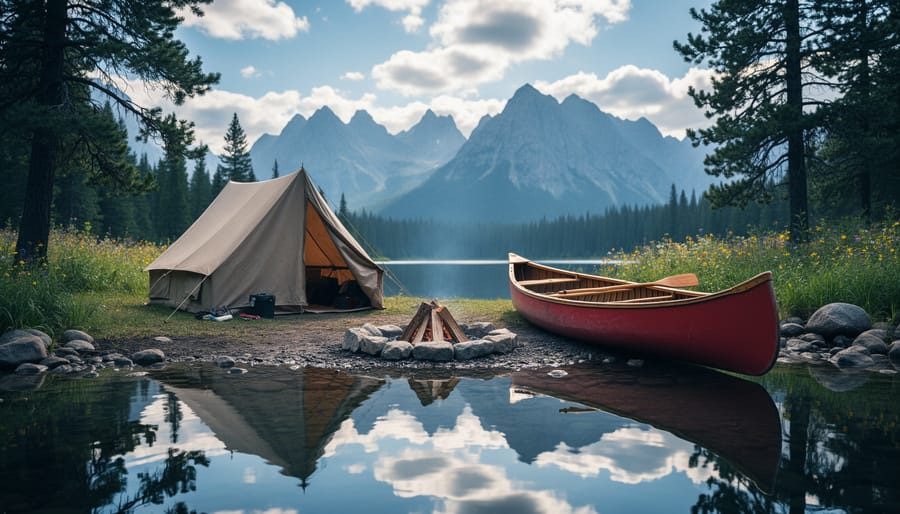
Summer camping in Canada offers everything from lakeside retreats and mountain escapes to backcountry adventures and family-friendly campgrounds, and the best trips come down to matching the right idea with your skill level, the season’s conditions, and what kind of experience will leave you recharged. Whether you’re pitching a tent for the first time or you’ve logged dozens of nights under the stars, the key is choosing activities and locations that fit your crew and push you just slightly beyond your comfort zone.
This summer, Canadian campers have more options than ever. Provincial parks have expanded reservations systems to handle demand, new backcountry routes have opened across British Columbia and Ontario, and gear innovations make it easier to camp comfortably without hauling a trailer’s worth of equipment. But with so many choices, the planning stage can feel overwhelming. Do you go for solitude or stick close to amenities? Should you try canoeing for the first time, or is this the year you finally tackle that multi-day hiking route?
The 17 ideas ahead cover the full spectrum. You’ll find suggestions for beginners who want to test the waters at a drive-in site with flush toilets nearby, alongside more ambitious plans for experienced campers ready to paddle into Algonquin’s interior or sleep under the northern lights in the Yukon. Each idea includes practical details, Canadian location recommendations, and tips drawn from real campers who’ve done it and lived to tell the story. We’ve built this list around what actually works in Canada’s diverse terrain and unpredictable summer weather, so you can spend less time second-guessing and more time enjoying the trip.
What Makes a Great Summer Camping Idea
Not every camping idea deserves a spot on your summer bucket list. The activities we’ve selected for this guide meet specific standards that ensure they’ll actually enhance your Canadian camping experience rather than complicate it.
Accessibility sits at the top of our criteria. Each idea accommodates different skill levels, whether you’re pitching your first tent or you’ve been camping for decades. We’ve included options requiring minimal gear alongside activities that reward specialized equipment, so you can choose based on your current resources and comfort zone.
Seasonal appropriateness matters deeply in Canada’s climate. These ideas take advantage of what summer specifically offers: longer daylight hours, warmer temperatures, accessible backcountry routes, and wildlife activity patterns unique to June through August. They work with Canadian summer conditions, not against them.
Safety shaped every selection. We’ve excluded activities with unreasonable risk profiles and focused on pursuits where preparation and common sense keep you protected. Each idea considers the realistic hazards you might face in Canadian wilderness settings, from weather shifts to wildlife encounters.
Environmental impact guided our choices too. These activities align with Leave No Trace principles and encourage you to experience nature without damaging it. We’ve prioritized ideas that foster appreciation for Canadian ecosystems rather than exploitation of them.
Finally, we’ve built this list for diverse camping styles. Solo adventurers, families with young children, couples seeking quiet, and groups chasing excitement will all find multiple ideas that fit their vision. Your perfect summer camping experience doesn’t look like everyone else’s, and this variety reflects that reality.
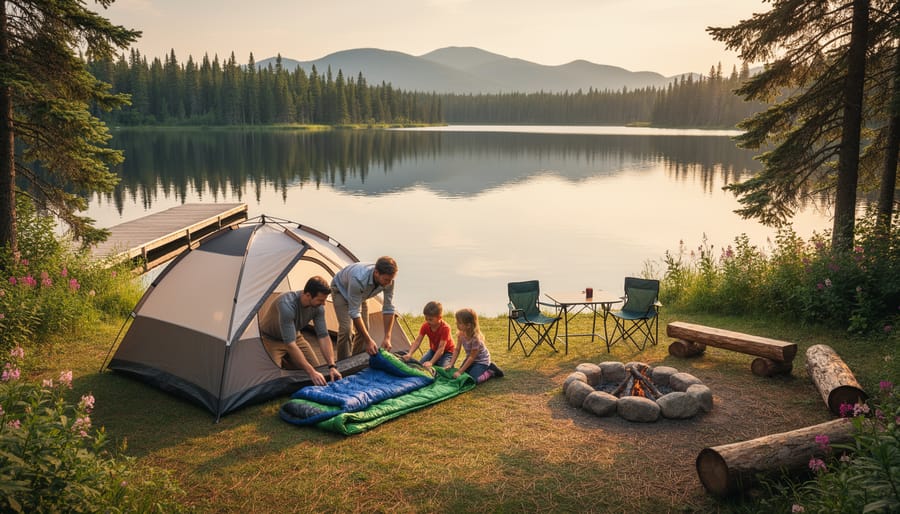
17 Summer Camping Ideas for Your Next Canadian Adventure
1. Lakeside Sunset Photography Camps
Lakeside sunset photography camps combine the tranquility of waterfront camping with the magic of golden hour light. The concept is simple: choose your campsite based on western exposure and sunset timing rather than just amenities or proximity to trailheads.
In Ontario, Lake Superior Provincial Park offers dramatic granite shorelines that glow during the last hour before sunset. Alberta’s Abraham Lake provides stunning turquoise waters backed by mountain silhouettes. For coastal drama, try BC’s Cultus Lake with its forest-framed views.
Timing matters more than expensive gear. Arrive at your chosen lake spot 90 minutes before sunset to scout compositions and set up your tripod. A basic DSLR or even a smartphone with manual controls can capture impressive results when you’re patient with the light.
Pack a lightweight tripod, extra batteries (cold evenings drain them faster), and a headlamp for the walk back to your tent after dark. The summer months from late June through August give you sunset times between 8:30 and 9:30 PM across most Canadian provinces, leaving plenty of evening to enjoy your campfire afterward.
2. Wildlife Watching Weekend Getaways
Plan your camping trip around the rhythms of wildlife rather than convenience, and you’ll experience nature in a completely different way. Canada’s diverse ecosystems offer incredible opportunities to observe everything from black bears feeding on salmon in coastal BC to moose wading through marshes in Newfoundland.
The key is researching animal activity patterns before you book. Spring and early summer bring nesting birds and newborn wildlife, while late summer sees salmon runs that attract bears and eagles. Choose established viewing areas with safe distances, Parks Canada sites often provide platforms and designated observation zones that protect both you and the animals.
Sarah, a Vancouver camper, timed her Tofino trip to coincide with grey whale migration and spotted three mothers with calves from her campsite beach. “We didn’t chase them or get close,” she explains. “We just watched respectfully with binoculars, and they stayed in the bay for over an hour.”
Bring quality binoculars, stay quiet during dawn and dusk activity peaks, and never feed or approach wildlife. The patience pays off with authentic encounters that photography alone can’t capture.
3. Backcountry Fishing Expeditions
Paddling into a remote lake at dawn and casting your line where few anglers venture turns a standard camping trip into something extraordinary. Canadian backcountry waters, from northern Saskatchewan’s trophy pike lakes to BC’s alpine trout streams, offer fishing experiences you simply can’t replicate from shore-accessible spots.
Before you pack your rod, secure the proper licensing. Each province manages its own system; BC recreational freshwater licences are available online, while Ontario and Quebec have similar digital portals. Non-resident anglers should check regulations carefully, some remote waters have catch limits or seasonal closures that differ from popular fishing zones.
Adopt catch-and-release practices for native species, especially in pristine backcountry environments. Use barbless hooks, minimize handling time, and revive fish properly before release. Pack a compact tackle kit with versatile lures rather than your entire collection, weight matters when you’re portaging. A collapsible rod saves space, though two-piece models offer better performance.
The solitude of backcountry fishing creates moments you’ll recount for years. Just remember: your catch isn’t the only wildlife interested in fish, so store your gear and any cleaned fish well away from your tent.
4. Family Campfire Cooking Challenges
Turn dinner prep into entertainment by declaring themed cooking challenges that get everyone involved. Assign roles, one person manages the fire, another preps ingredients, someone else handles cleanup, and suddenly you’re working as a team instead of watching one person do all the work.
Try a “Mystery Box” night where each family member brings one surprise ingredient and you collectively create a meal. Dutch oven pizzas work brilliantly because kids can customize their own sections of the pie. Foil packet dinners let even young campers assemble their own sealed creations and toss them into the coals.
Keep a simple point system for creativity, teamwork, or “best use of limited ingredients” to spark friendly competition. You’ll eat well and create shared stories that outlast the weekend.
5. Stargazing in Dark Sky Preserves
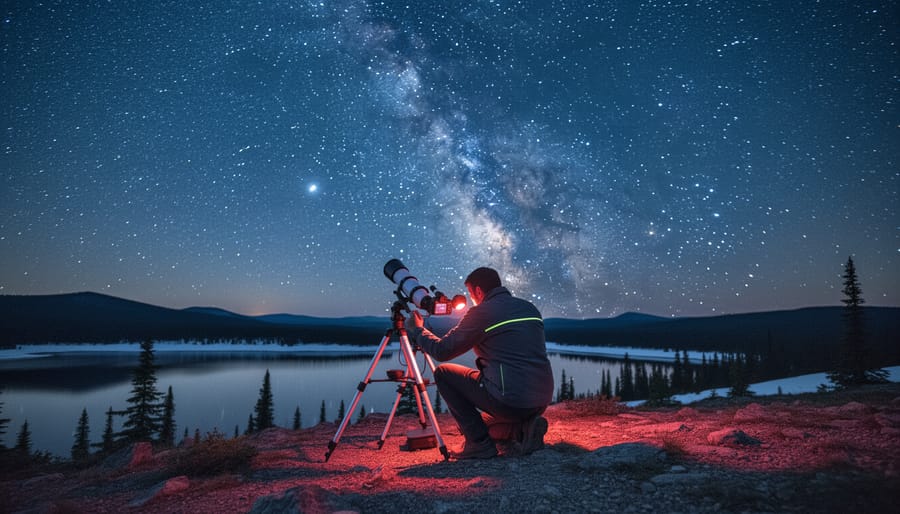
Canada’s dark sky preserves transform a simple camping trip into an astronomical wonder. Summer offers ideal conditions: warm nights, extended darkness in northern regions, and the Milky Way’s galactic core positioned for viewing.
Jasper National Park holds the world’s largest accessible dark sky preserve, where you can see up to 10,000 stars on clear nights compared to a few hundred in urban areas. Wood Buffalo and Grasslands National Parks in Saskatchewan also rank among the country’s darkest sites. The Parks Canada dark-sky guidance lists designated preserves and viewing programs.
Bring binoculars, surprisingly effective for star clusters, and a red flashlight to preserve night vision. Download a stargazing app before arrival since cell service is often limited. A reclining camp chair beats lying flat on the ground, and an extra blanket matters even in July once midnight arrives.
Plan your trip around new moon phases when lunar light won’t wash out faint celestial objects. Give your eyes 20-30 minutes to fully adjust to darkness, resisting the urge to check your phone screen.
6. Canoe-In Camping Adventures
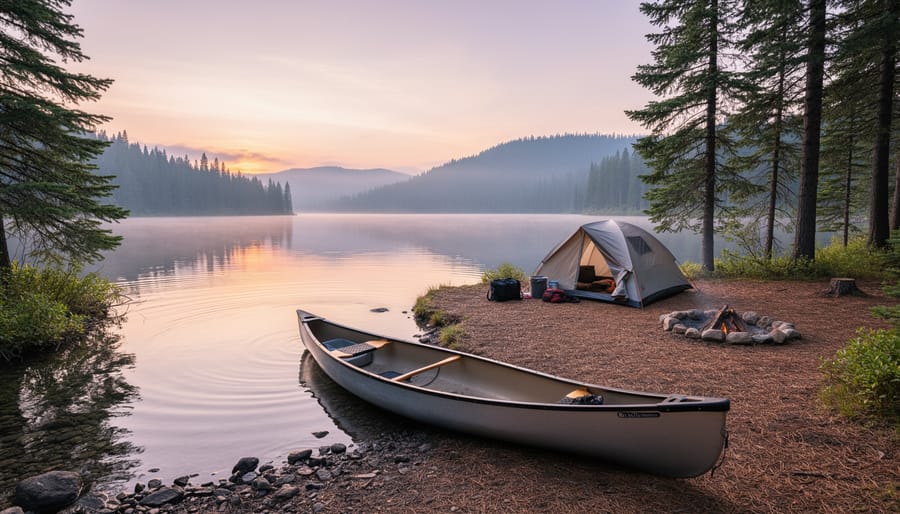
Canoe-in camping strips away the crowds and delivers you to shorelines where solitude is guaranteed. You’ll paddle for hours, your gear stowed in waterproof bags, before claiming a backcountry site that sees maybe a dozen visitors all season.
Ontario’s Algonquin Provincial Park offers legendary routes like the Petawawa River system, where gentle sections suit beginners while rapids challenge experienced paddlers. Quebec’s La Mauricie National Park presents sheltered lake chains perfect for families, calm water, short portages, and campsites with established fire rings.
Pack everything in dry bags, not just waterproof stuff sacks. Double-bag sleeping bags and clothing. A seasoned canoeist from Huntsville learned this after his “waterproof” pack leaked during a surprise squall, leaving him wringing out his down bag on a rock.
Practice your J-stroke before departure, and always wear your PFD. Check wind forecasts obsessively, a placid morning lake becomes a whitecapped nightmare by afternoon. Bring a waterproof map and compass as backup; phones die, especially in wet conditions.
7. Multi-Generational Camping Reunions
Bringing together three or four generations around the same campfire creates memories that last lifetimes, but it requires thoughtful planning to ensure everyone’s comfortable and engaged. Start by choosing campgrounds with level, easily accessible sites, paved paths make a huge difference for grandparents using walkers or mobility aids. Provincial parks like Algonquin’s Mew Lake or Cultus Lake in BC offer drive-in sites with flush toilets and nearby amenities that accommodate varying mobility levels.
Plan activities with flexible participation: morning nature walks where some family members hike the full trail while others enjoy a shorter loop, or campfire storytelling sessions where grandparents share tales while younger kids roast marshmallows. Set up a central gathering area with comfortable camp chairs in varying heights, some seniors find lower chairs difficult to exit. Consider renting a communal pavilion for rainy day backup, and schedule downtime between activities so older and younger campers can rest when needed.
8. Wilderness Skills Workshops
Summer camping trips become powerful learning experiences when you combine them with wilderness skills workshops. Several Canadian organizations offer guided bushcraft weekends where you learn fire-starting without matches, shelter building from natural materials, and plant identification for foraging. Navigation courses teach map and compass skills through practical exercises in provincial parks, while survival schools in Ontario and BC run immersive programs covering water purification, emergency signaling, and first aid.
These workshops work particularly well for intermediate campers ready to deepen their backcountry confidence. Many run Friday-to-Sunday formats at established camps, providing instruction during the day and letting you practice skills at your campsite. Look for courses certified by wilderness education associations, and choose topics that match your actual camping ambitions, a navigation workshop pays dividends on every future trail, while advanced shelter-building might matter less if you always pack a tent.
9. Mountain Meadow Wildflower Camps
Timing your camping trip to catch alpine wildflower blooms transforms an ordinary mountain visit into a spectacular natural display. In the Canadian Rockies, peak bloom typically occurs from mid-July through early August, when meadows explode with paintbrush, lupine, and alpine forget-me-nots. The Sunshine Meadows area near Banff and Manning Park’s subalpine zones offer accessible trails through flower-carpeted landscapes.
Bring a lightweight wildflower identification guide specific to your region, learning even five species deepens your appreciation. For photography, overcast days actually work better than harsh sun, softening colors and eliminating harsh shadows. Get low to shoot at flower level rather than standing above them, and arrive at meadows early before other hikers trample delicate blooms. Always stay on designated trails; these fragile ecosystems take years to recover from footsteps cutting across meadows.
10. Coastal Camping and Tide Pooling
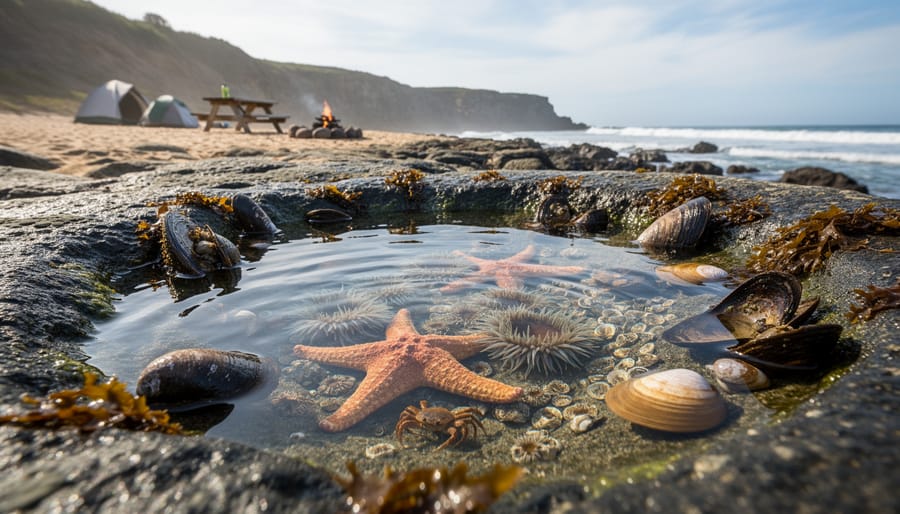
Canada’s coastlines transform into living classrooms when you time your camping with the tides. BC’s Vancouver Island offers dramatic rocky shores where low tide reveals starfish, anemones, and hermit crabs in shallow pools. Maritime provinces showcase different marine ecosystems, try Fundy National Park in New Brunswick for the world’s highest tides, exposing vast mudflats twice daily.
Check tide tables before you go and plan exploration during the lowest tides, typically around new and full moons. Wear rubber boots with good grip, never turn your back on the ocean, and resist touching delicate marine life. Bring a field guide to identify species, and teach kids the “look but don’t take” principle.
Sarah from Halifax camps at Cape Chignecto each July, timing her three-day trip around spring tides: “Watching the Bay of Fundy drain and refill feels like witnessing a geological miracle. The tide pools are nature’s aquariums.”
11. Solo Reflection Retreats
Solo camping offers a rare opportunity to disconnect from daily demands and reconnect with yourself. Many campers report that their first solo trip became a turning point, time spent in natural silence allows thoughts to settle and perspective to shift in ways that group camping simply doesn’t permit.
Start with established provincial parks that have staffed stations and cell reception. Algonquin’s Mew Lake Campground in Ontario and Alberta’s Elkwater Lake offer security without isolation. Inform someone of your itinerary and expected return. Bring a whistle, bear spray where appropriate, and a fully charged backup battery for your phone.
Structure your days loosely, morning journaling by the fire, afternoon hikes with pauses for reflection, evening reading as the sun sets. The practice isn’t about proving toughness; it’s about creating space to hear your own thoughts without interruption.
12. Trail-Running Base Camps
Setting up a base camp near quality trail networks lets you explore different routes each day without the hassle of breaking camp. Popular regions for this approach include the Okanagan Valley in British Columbia, where you can camp at Myra-Bellevue Provincial Park and access over 80 kilometers of varied terrain, and Quebec’s Parc national de la Jacques-Cartier, which offers both campgrounds and extensive trail systems. The key to multi-day running from camp is honest recovery planning, alternate harder efforts with easier exploration days, prioritize sleep and nutrition, and don’t feel pressured to run every single day. Pack foam rollers or massage balls, bring extra food to fuel longer efforts, and choose campsites with water access for post-run recovery.
13. Hammock Camping in Forest Canopies
Hammock camping transforms your relationship with the forest, you’re sleeping in it, not just beside it. This lightweight alternative works brilliantly in Canadian summers when bugs are manageable and rain is less frequent. The basics: two sturdy trees 12-15 feet apart, proper suspension straps (never rope that damages bark), and an insect net for inevitable mosquito encounters.
Start with established hammock-friendly sites in Ontario’s Algonquin or BC’s coastal rainforests where mature trees provide natural anchor points. A tarp setup above your hammock handles sudden showers, while an underquilt prevents the surprising chill that comes from air circulation beneath you, even in July.
The gear investment is modest compared to quality tent systems, and the weight savings matter on portability. Many converts report better sleep from the gentle sway, though side-sleepers need an adjustment period. Practice your setup at home before committing to a backcountry hang.
14. Cycling Tour Campgrounds
Cycling tour camping combines two freedoms: the open road beneath your wheels and a home that moves with you. Across Canada, dedicated bike routes now link campgrounds, creating multi-day adventures where you pedal all day and pitch your tent somewhere new each night.
The Waterfront Trail in Ontario connects over 50 campgrounds along 1,600 kilometres of shoreline. You’ll average 60-80 kilometres per day with panniers loaded. Pack light, every extra kilogram matters on hills, but don’t skip the basics: repair kit, first aid, and rain gear. Book your sites ahead during summer weekends, especially near Toronto.
Quebec’s Route Verte offers 5,300 kilometres of connected paths with campgrounds spaced 40-70 kilometres apart, perfect daily distances for loaded touring. The Confederation Trail in PEI gives beginners a flat, car-free introduction with campgrounds every 30-40 kilometres.
Logistics matter more than raw cycling fitness. Ship extra gear to your endpoint, carry cash for small-town resupply stops, and download offline maps. Your legs will adapt to the weight by day three.
15. Northern Lights Viewing Camps
Summer might seem an odd time to chase the northern lights, but late August into early September offers a surprising window for aurora viewing in Canada’s far north. The Yukon and Northwest Territories see darkness return after the midnight sun period, creating opportunities to witness the lights while enjoying milder camping weather than winter trips demand.
Yellowknife remains the aurora capital, but consider Whitehorse, Inuvik, or even Churchill, Manitoba for summer sightings. The catch? You’re racing against shortening nights, aurora activity peaks around the autumn equinox, making late-summer camps a gamble worth taking for those who can’t handle winter cold.
Pack warm layers despite the season; northern nights drop below freezing even in August. Unlike winter aurora camps where you retreat frequently to warm up, summer viewing lets you stay outside comfortably for hours, increasing your chances of catching nature’s most spectacular light show.
16. Heritage and Cultural Site Camping
Camping near places that hold deep historical or cultural significance adds profound meaning to your outdoor experience. Parks Canada manages several campgrounds adjacent to Indigenous heritage sites and historic trails where you can learn while you camp. The Head-Smashed-In Buffalo Jump in Alberta, Wanuskewin Heritage Park near Saskatoon, and L’Anse aux Meadows in Newfoundland all offer camping options within reach of interpretive programs.
Before visiting, research the site’s cultural protocols and any restrictions on photography or access. Many locations offer Indigenous-led tours that provide context you won’t get from signage alone. Purchase your tour tickets in advance during peak summer season.
Maureen from Halifax shared how camping near the Fortress of Louisbourg transformed her understanding of Acadian history: “Walking those ramparts at dawn before the crowds arrived felt like stepping back three centuries. We spent three days there and barely scratched the surface.”
Approach these sites with reverence, follow all posted guidelines, and consider how your visit can support rather than exploit these important places.
17. Minimalist Ultra-Light Adventures
Going ultra-light transforms summer camping from lugging heavy packs to moving freely through the backcountry. This approach challenges you to question every item: does it genuinely serve multiple purposes, or is it comfort weight you’re carrying “just in case”?
Start with the big three, shelter, sleep system, and backpack, aiming for a combined weight under 4.5 kilograms. A tarp-and-bivy setup replaces traditional tents, your sleeping pad becomes your camp chair, and your cook pot doubles as your bowl. Many ultra-light campers in Alberta’s Kananaskis swear by meals requiring only boiling water, eliminating cooking gear entirely.
The mental shift matters more than the gear list. You’re trading certain conveniences for the freedom of covering more ground and experiencing less fatigue. That calculation makes Canadian alpine traverses suddenly feel achievable rather than punishing.
Making Your Summer Camping Ideas Reality
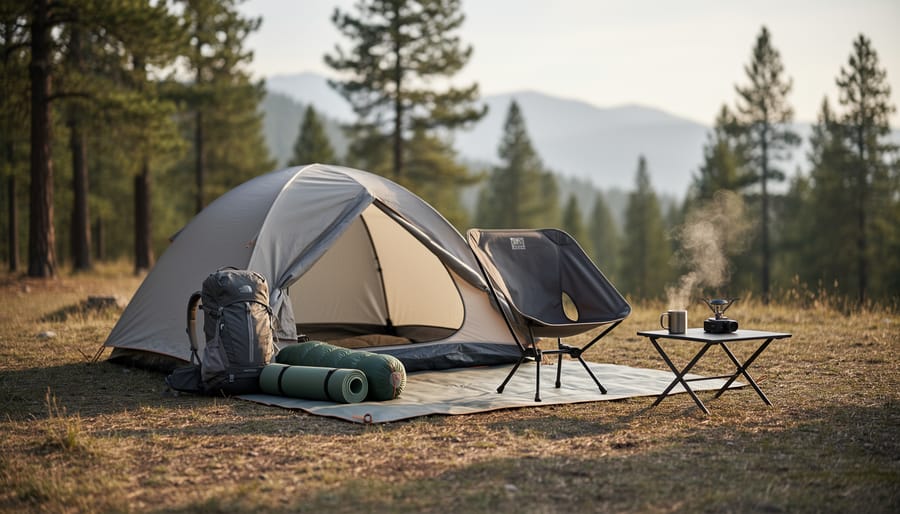
Turning these camping ideas into actual experiences requires moving from inspiration to logistics. Start by choosing one idea that genuinely excites you, enthusiasm makes the planning process easier and the trip more rewarding.
For campsite bookings, familiarize yourself with the platforms serving your target region. Parks Canada manages national park reservations and typically opens bookings several months in advance, while provincial systems like Ontario Parks or BC Parks operate their own platforms with different timelines. Popular summer dates disappear quickly, so mark your calendar for booking windows. If your chosen idea doesn’t require established campgrounds, like backcountry fishing or hammock camping, research permit requirements and reservation systems for wilderness areas.
Gear preparation depends entirely on which idea you’re pursuing. A lakeside photography camp needs different equipment than a canoe-in adventure or northern lights viewing trip. Make a specific checklist for your chosen activity, then cross-reference it against what you already own. Rent specialized gear for your first attempt rather than investing heavily before you know if that camping style suits you.
Here’s your action checklist for making it happen:
- Select one idea from the list and set a target date window
- Research campsite or permit requirements and book immediately if needed
- Create activity-specific gear list and identify what you need to acquire or rent
- Check weather patterns for your chosen region and season
- Arrange any necessary licenses, passes, or permissions
- Plan a backup option for weather-dependent activities
Canadian weather demands respect, even in summer. Mountain regions can drop below freezing overnight through July, while coastal areas bring persistent rain. Pack layers regardless of your destination, and include a quality rain shell and warm sleeping bag. Check extended forecasts the week before departure, but prepare for variability, sudden afternoon thunderstorms hit the Prairies, fog rolls into Maritime coasts, and mountain weather shifts within hours. Build flexibility into your plans so a weather change enhances rather than ruins your trip.
Safety and Environmental Considerations
Every summer camping adventure, whether you’re photographing sunsets or paddling to remote sites, requires attention to safety and environmental impact. Leave No Trace isn’t optional; it’s the baseline for preserving the places we love. Pack out everything you pack in, including food scraps and biodegradable items that wildlife shouldn’t access. Stay on designated trails and campsites to protect fragile ecosystems, especially in alpine meadows and coastal areas where recovery takes years.
Wildlife encounters demand specific protocols depending on your activity. If you’re fishing or watching animals, maintain proper distances: 30 metres for most wildlife, 100 metres for bears. Never approach animals for photos, and teach children that feeding wildlife endangers both parties. Weather preparedness matters more than most campers realize. Summer storms develop quickly in Canadian mountains and prairies. Check forecasts before departure, pack layers for temperature swings, and know your evacuation route if conditions deteriorate. For backcountry trips, file a detailed plan with someone reliable, including your expected return time and emergency contacts. Carry a whistle, first aid kit, and navigation tools that don’t rely on phone batteries. Your safety framework should match your ambition level, pushing limits is fine when you’ve covered the basics.
Common Questions About Summer Camping Ideas
Summer camping opens up countless possibilities, but it’s natural to have questions when planning something new. Here are answers to the concerns Canadian campers most often ask about trying fresh camping approaches.
What’s the best time of summer to try these camping ideas?
Most ideas work throughout June through August, but timing matters for specific activities. Wildflower meadow camps peak in July in alpine areas, while northern lights viewing works better in late August when darker nights return. Wildlife watching is often best in early summer before peak tourist season.
How do I get started with solo camping if I’ve never done it?
Start with a developed campground that has nearby campers and staff, choosing a weekend with good weather. Tell someone your plans and check-in times, and camp somewhere with cell service for your first trip. Provincial parks with patrol services offer ideal conditions for building solo confidence.
What if my family isn’t excited about trying new camping ideas?
Involve them in choosing from the list rather than deciding for them, and start with ideas closest to camping they already enjoy. Frame it as “trying one new thing” alongside familiar activities, and emphasize the specific appeal rather than just “camping differently.”
Do I need to buy specialized gear for each camping idea?
Not at all. Many ideas use standard camping equipment you likely own, with perhaps one or two specific additions. Rent or borrow specialty gear like fishing rods, stargazing equipment, or hammocks before investing, and remember that creativity often matters more than expensive gear.
How do I choose the right campsite for these different ideas?
Match the campsite to your activity: canoe-in and backcountry sites for remote adventures, campgrounds with facilities for family cooking challenges, and sites near dark sky preserves for astronomy. Read recent reviews on booking platforms to confirm the site delivers what you’re planning.
Can I combine multiple ideas in one camping trip?
Absolutely, and that often creates the most memorable experiences. Coastal camping naturally pairs with tide pooling and sunset photography, while lakeside camps can incorporate fishing, canoeing, and stargazing. Just avoid over-planning so you have flexibility to embrace what’s working.
The key is starting somewhere rather than waiting for perfect conditions. Pick one idea that genuinely excites you, adapt it to your comfort level, and let that first success build momentum for future adventures. Canadian summers are short, but they offer enough variety that you can try something different each trip without repeating yourself for years.
items
Looking at the 17 summer camping ideas we’ve explored, you’ll notice they don’t all require the same gear. A lakeside photography camp needs different equipment than a minimalist ultra-light adventure. That’s intentional, these ideas span beginner-friendly to more specialized pursuits.
What ties them together is the Canadian summer context. Most benefit from layered clothing since our summer evenings can turn surprisingly cool, even in July. A quality tent that handles both sun exposure and sudden rain showers proves valuable across nearly all these ideas. Reliable navigation tools matter whether you’re paddling to a canoe-in site or finding that perfect wildflower meadow.
For activities like wildlife watching or stargazing, patience matters more than expensive equipment. Your phone camera captures decent aurora photos with the right settings. Backcountry fishing requires proper licensing, but starter gear works fine while you’re learning.
The common thread isn’t a specific packing list, it’s preparation matched to your chosen adventure. A family campfire cooking challenge needs cast iron and creativity. A solo reflection retreat might need little beyond your tent and a journal. Choose your idea first, then gather what makes that specific experience possible.
Summer camping in Canada offers something for everyone, whether you’re drawn to quiet lakeside sunsets, the thrill of backcountry fishing, or simply want to gather your family around a campfire under the stars. These 17 ideas prove that memorable camping doesn’t require expert skills or expensive gear. It starts with choosing one approach that sparks your curiosity.
Maybe you’ll begin with a single night at a provincial park testing hammock camping, or perhaps you’re ready to plan that multi-generational reunion you’ve been discussing for years. The beauty of Canadian summers is that our landscapes, from Pacific coastlines to prairie meadows to northern boreal forests, support every camping style imaginable.
Don’t wait for the perfect moment or the complete gear collection. Pick the idea that made you lean forward while reading, check availability at a nearby campsite, and mark your calendar. Your 2026 summer adventure is waiting, and it’s closer than you think.
The tent sites, canoe routes, and starlit skies aren’t going anywhere. But another summer will. Start planning today, and you’ll be sharing your own camping story before the season ends.