New Brunswick is home to two distinct Parks Canada sites: Fundy National Park on the southeast coast, where the Bay of Fundy creates the world’s highest tides, and Kouchibouguac National Park on the northeastern shore, offering 25 kilometers of pristine barrier islands and salt marshes. Both parks welcome visitors year-round, though each delivers a completely different Atlantic Canadian experience.
If you’re searching for national parks in New Brunswick, you’re likely planning a Maritime road trip and wondering which park fits your itinerary. The choice comes down to what you want to explore. Fundy pulls you in with dramatic coastal cliffs, waterfalls tucked into Acadian forest, and the chance to walk the ocean floor at low tide. Kouchibouguac spreads out in a gentler landscape of warm-water lagoons, cycling trails that wind through boreal wetlands, and some of the finest beaches north of Maine.
The practical news for 2026 travelers: Parks Canada’s Canada Strong Pass offers free admission and 25 percent off camping from June 19 through September 7, available online now. Outside that window, pick up a Discovery Pass for unlimited admission across more than 80 Parks Canada destinations for a full year, or pay daily entry at park gates where available.
Most visitors underestimate how different these two parks feel. Fundy sits along the 250-kilometer Bay of Fundy shoreline, roughly an hour from Moncton. Kouchibouguac lies an hour north of Moncton or two and a half hours northeast of Fredericton, hugging the Northumberland Strait. You can hit both in a long weekend, but each deserves at least two days if you’re camping, hiking, or hoping to catch wildlife at dawn.
Why Visit New Brunswick’s National Parks
New Brunswick’s two national parks offer wildly different coastal experiences within a few hours’ drive of each other. Fundy National Park sits on the dramatic southeast coast where the Bay of Fundy creates the world’s highest tides, water levels shift up to 12 meters twice daily, reshaping the shoreline every six hours. You’ll find forested hiking trails leading to coastal cliffs, tide pools teeming with marine life during low tide, and waterfalls that seem to reverse as the bay fills again.
Kouchibouguac, just an hour north of Moncton, presents a gentler coastline defined by barrier islands, salt marshes, and some of the warmest ocean waters north of Virginia. Its 25 kilometers of sandy beaches and coastal lagoons attract swimmers and paddlers, while the protected dune ecosystem supports rare piping plovers and other shorebirds. The park’s relatively flat terrain makes it approachable for all fitness levels.
What makes these parks particularly appealing is their accessibility. Fredericton sits roughly equidistant between them, and both offer full-service campgrounds with showers and electrical hookups alongside more rustic backcountry options. Whether you’re drawn to the raw power of Fundy’s tides or the sunny beaches of Kouchibouguac, you’re looking at straightforward drives from New Brunswick’s major centres rather than remote wilderness expeditions. The variety means you can chase tides one weekend and sunbathe the next without traveling across provinces.
New Brunswick’s Two National Parks: What Each Offers
1. Fundy National Park
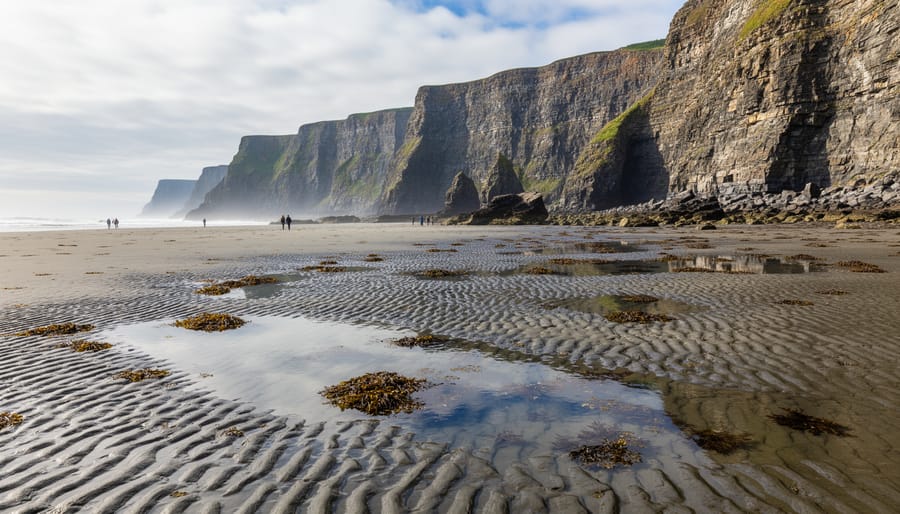
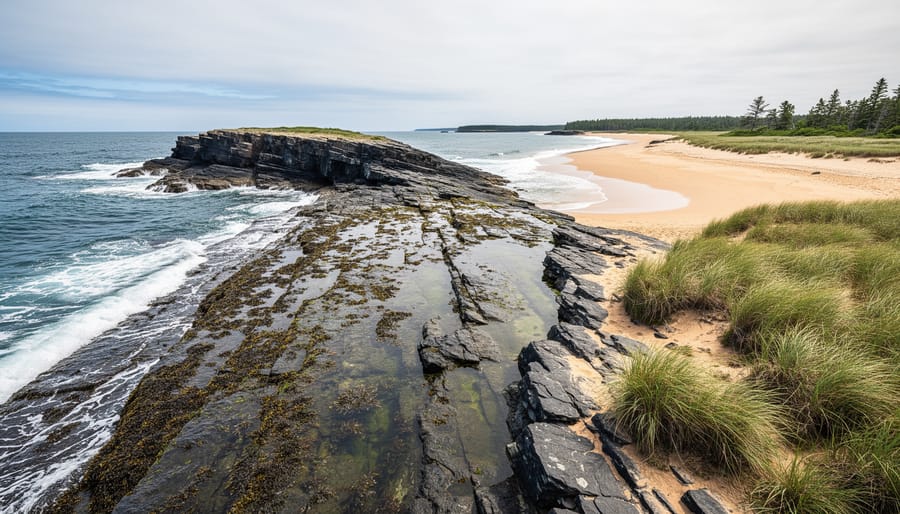
Fundy National Park sits on the southeast coast of New Brunswick where rugged coastal cliffs meet dense Acadian forest along the Bay of Fundy’s dramatic shoreline. This is the park most associated with the Bay of Fundy’s signature attraction: the world’s highest tides which rise and fall up to 12 metres twice daily. The tidal range transforms the landscape, at low tide, you can walk on the ocean floor among exposed rocks and tidal pools, then watch the same area flood completely hours later.
The park protects 207 square kilometres of coastline and forested highlands about an hour and a half from Moncton and two hours from Saint John. Its location makes it an accessible destination for weekend trips or part of a longer New Brunswick camping itinerary, especially with the free national parks admission available from mid-June through early September 2026.
Fundy offers diverse terrain in a compact area. The coastal zone features sea stacks, caves carved by centuries of tidal action, and rocky beaches strewn with driftwood. Inland, the landscape shifts to rolling hills covered in mixed forest, with deep valleys carved by fast-flowing brooks. More than 100 kilometres of trails wind through both environments, ranging from short coastal walks to challenging backcountry routes.
- Over 25 hiking trails including the coastal Dickson Falls trail and the challenging Fundy Circuit backcountry loop
- Four campgrounds with both serviced and unserviced sites, plus backcountry camping and oTENTik accommodations
- Golf course, heated saltwater pool, and tennis courts at park headquarters
- Tidal exploration areas where you can walk the ocean floor at low tide
- Mountain biking on designated trails and sea kayaking along the coast
- Wildlife viewing opportunities including moose, black bears, and over 260 bird species
Camping options range from full-service sites with electrical hookups at Headquarters Campground to primitive backcountry sites accessible only by foot. Point Wolfe and Chignecto North campgrounds offer middle-ground options with basic facilities in quieter settings. The park’s compact layout means you’re never far from services, yet remote enough to experience genuine wilderness.
The tides dictate the rhythm of a visit. Plan coastal activities around tide times, low tide opens up the ocean floor for exploration, while high tide is ideal for kayaking close to the cliffs. The park’s elevation changes also create microclimates; bring layers even in summer, as fog can roll in quickly along the coast while inland areas stay warm and dry.
2. Kouchibouguac National Park
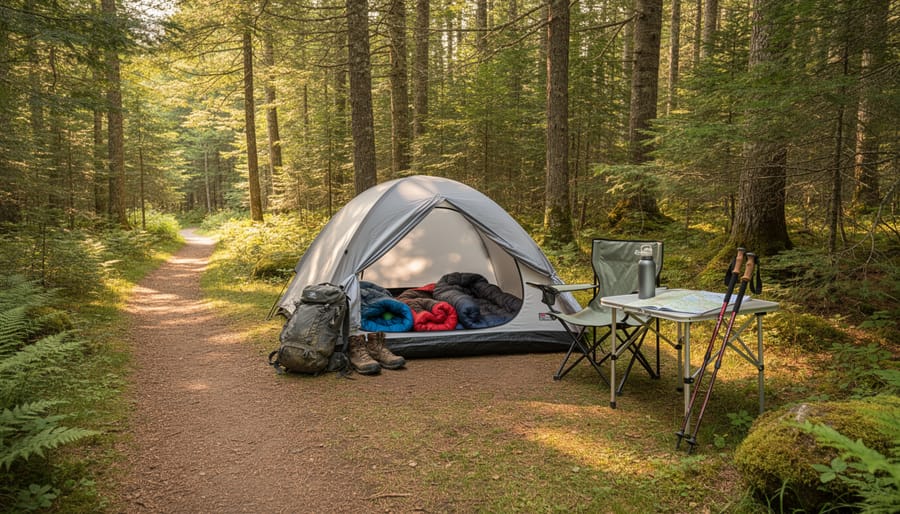
Kouchibouguac National Park protects 238 square kilometers of coastal wilderness where Acadian forest meets the Gulf of St. Lawrence. Located 1 hour north of Moncton or 2.5 hours northeast of Fredericton, this park showcases a landscape radically different from Fundy’s dramatic cliffs and tidal extremes.
The defining feature here is the barrier island system. Offshore dunes, some stretching for kilometers, shelter calm lagoons and salt marshes from ocean waves. Kelly’s Beach offers the warmest saltwater swimming north of Virginia, with shallow waters that heat up through July and August. Beyond the beach, the park’s network of bike trails winds through bogs, forests, and along raised boardwalks where you can spot herons stalking through marsh grass.
The coastal ecosystem supports diverse habitats in close proximity:
- 25 kilometers of sandy beaches backed by dunes and marram grass
- Protected lagoons ideal for kayaking and stand-up paddleboarding
- Boardwalk trails through rare salt marshes and peat bogs
- Biking routes connecting beaches, campgrounds, and forested areas
- Opportunities to see piping plovers, grey seals, and harbor porpoises
Camping options range from the South Kouchibouguac Campground with 219 sites (including 46 with electrical hookups) to more secluded options like Côte-à-Fabien. The park’s layout favors biking as the primary way to explore; you can ride from your campsite to the beach, then continue to the bog boardwalk without moving your vehicle. Canoe and kayak rentals let you paddle the Kouchibouguac River or explore protected waterways where the mixing of fresh and salt water creates productive feeding grounds.
Unlike Fundy’s vertical landscape, Kouchibouguac spreads horizontally across a gentler terrain. Trails here follow flat or rolling paths rather than steep coastal climbs. The park appeals particularly to families with younger children, cyclists looking for extended routes, and anyone drawn to warm-water beaches combined with wetland ecosystems. The barrier islands constantly shift with storms and tides, creating a dynamic coastal environment that changes subtly between visits.
Practical Information: Getting There, Fees, and Passes
Getting to both parks is straightforward. Fundy National Park sits on New Brunswick’s southeast coast along the Bay of Fundy, accessible via Route 114. Most visitors drive from Saint John (about 1.5 hours west) or Moncton (roughly 1 hour east). Kouchibouguac lies on the province’s northeast shore, a one-hour drive north of Moncton or two and a half hours northeast of Fredericton. Both parks have well-marked highway access and ample parking at trailheads and facilities.
For 2026, Parks Canada’s fee structure offers two main options. The Canada Strong Pass provides free admission and 25% off camping and overnight stays from June 19 to September 7, 2026. You must purchase this pass online during that window. Outside the Canada Strong period, the Discovery Pass covers unlimited admission for 12 consecutive months at more than 80 Parks Canada sites, including both Fundy and Kouchibouguac. When you present your Discovery Pass, daily admission fees are waived at participating locations. If you’re visiting outside the June-to-September window and don’t have a Discovery Pass, you can buy admission passes and permits in person at the park gates where available. Check the Canada Strong Pass details on Parks Canada’s website to confirm eligibility and purchase instructions.
| Pass Type | Coverage Period | Benefits | How to Obtain |
|---|---|---|---|
| Canada Strong Pass | June 19, September 7, 2026 | Free admission, 25% off camping | Online purchase only |
| Discovery Pass | 12 full months | Unlimited admission at 80+ sites | Online or in person |
| Daily Admission | Single day | Entry only, no camping discount | In person at park gates (where available) |
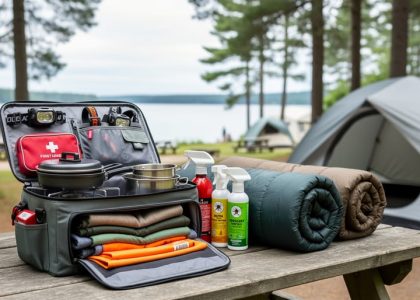
If you plan to camp, remember to book Parks Canada camping in advance, especially during peak summer months. Coastal weather can shift quickly, so pack best rainwear and essential camp safety gear regardless of the forecast.
Planning Your Visit: What to Know Before You Go
A little planning goes a long way when you’re visiting Fundy and Kouchibouguac. These parks sit in different coastal zones, which shapes everything from what you pack to when you arrive.
Packing for Two Different Environments
Fundy’s forested trails and dramatic coastline require layers. Mornings start cool even in summer, and the Bay of Fundy breeze cuts through light clothing near the water. Bring a waterproof jacket, sturdy hiking boots with ankle support for uneven terrain, and a daypack with water and snacks. The tide zone can be slippery, so footwear with good traction matters.
Kouchibouguac’s coastal dunes and beaches call for sun protection first. Pack a wide-brimmed hat, reef-safe sunscreen, and lightweight, breathable clothing. Water shoes work well on the sandy beaches and lagoons. If you’re camping, bug spray is essential during warmer months when mosquitoes appear near wetland areas.
Both parks reward visitors who arrive prepared for changeable weather. Temperatures can shift 10 degrees between morning and afternoon, and coastal fog rolls in without warning.
Camping Reservations and Seasonal Planning
Reserve campsites well ahead, especially for weekends and holiday periods. Parks Canada’s reservation system opens months in advance, and popular sites at both Fundy and Kouchibouguac fill quickly during July and August. Shoulder seasons offer quieter experiences. Late spring and early fall bring fewer crowds, though you’ll trade warmth for solitude.
Winter camping exists at Fundy for those equipped for cold-weather backcountry trips, while Kouchibouguac’s facilities close outside the main season. Plan accordingly if you’re visiting beyond summer months.
Wildlife Safety Basics
Black bears inhabit both parks. Store food in your vehicle or designated bear-proof containers, never in your tent. Keep campsites clean, and cook away from sleeping areas. Fundy’s forested interior sees more bear activity than Kouchibouguac’s open coastal terrain, but vigilance matters at both locations.
Moose cross park roads at dawn and dusk. Drive slowly, scan the roadside, and give wildlife space. If you encounter animals on trails, back away calmly rather than approaching for photos.
Making the Most of Limited Time
Can’t visit both parks? Choose based on what draws you. Fundy delivers dramatic tidal landscapes and challenging hikes; Kouchibouguac offers gentle beach days and flat cycling routes. If you have two to three days, split your time between them. The drive takes roughly two hours, making a combined trip realistic for visitors with flexibility.
Top Areas and Local Picks
The coastal trails at Fundy National Park put you right at the edge where forest meets the dramatic Bay of Fundy shoreline. The Dickson Falls trail (1.5 km loop) winds through a ravine to a cascading waterfall, while the Coastal Trail follows the cliffs above the bay for extended views of the tides rising and falling. Time your visit around low tide to walk on the exposed ocean floor and search for marine life in tidal pools, then return hours later to see the same stretch submerged under metres of water.
Kouchibouguac’s barrier islands create protected lagoons and some of New Brunswick’s finest sand beaches. The Kelly’s Beach boardwalk extends over dunes to reach the wide shoreline, warm enough for swimming in summer and excellent for beachcombing year-round. The bike-friendly trails connect beach access points, salt marshes, and forested sections, making it easy to experience multiple ecosystems in one visit. Pack a picnic and plan for a full day exploring the interconnected beach and lagoon areas.
Both parks offer distinct wildlife viewing. At Fundy, watch for peregrine falcons along the cliffs and moose in inland wetlands. Kouchibouguac’s coastal setting attracts harbour seals, great blue herons, and piping plovers during nesting season. Bring binoculars for the best experience, and consider these destinations when planning your summer camping ideas for wildlife encounters.
Frequently Asked Questions About New Brunswick National Parks
New Brunswick’s two national parks attract many first-time visitors each year, and a few questions come up consistently. Here are straightforward answers to help you plan your trip.
Are there only two national parks in New Brunswick?
Yes, New Brunswick has two Parks Canada national parks: Fundy National Park on the Bay of Fundy’s southeast coast, and Kouchibouguac National Park about an hour north of Moncton. Both offer distinct camping and outdoor experiences in very different coastal environments.
Which park is better for families with young children?
Kouchibouguac tends to work well for families with younger kids thanks to its warm-water beaches, gentle lagoons, and flatter terrain. Fundy offers more dramatic scenery and varied hiking, which appeals to families with older children or those who enjoy coastal exploration and tide-watching.
Can you visit both parks in one trip?
You can, though it requires planning. The parks sit roughly 250 kilometres apart, about a three-hour drive, so visiting both works best with at least three to four days to allow meaningful time at each location rather than rushing through.
What’s included with the Canada Strong Pass and Discovery Pass?
The Canada Strong Pass provides free admission and 25% off camping from June 19 to September 7, 2026, and you can purchase it online. The Discovery Pass gives unlimited admission for 12 months at more than 80 Parks Canada sites, including both New Brunswick parks, and you waive daily admission fees when you present it.
Outside the Canada Strong Pass period, you can buy admission passes and permits in person at park gates where available, though online purchase during the summer promotion period is the most convenient option.
For camping, both parks offer front-country campgrounds with vehicle access, electrical hookups at some sites, and basic amenities like washrooms and showers. Fundy also provides backcountry camping for those wanting a more remote experience in the forest interior, while Kouchibouguac focuses on coastal camping with some walk-in tent sites closer to the beach areas. If you’re traveling with an RV or trailer, check individual campground specifications on the Parks Canada website, as site lengths and services vary between locations.
The key difference in planning comes down to what you want from your camping trip. Fundy rewards visitors who enjoy hiking forested trails, watching tidal changes, and exploring rocky coastlines. Kouchibouguac suits those drawn to sandy beaches, cycling flat paths along dunes, and paddling calm lagoons. Both deliver authentic Canadian camping experiences, just in contrasting landscapes.
Whether you’re drawn to Fundy’s dramatic tidal coastline or Kouchibouguac’s sheltered beaches and dunes, New Brunswick’s two national parks deliver distinct camping and outdoor experiences you won’t find elsewhere in Atlantic Canada. Both parks offer well-maintained facilities, accessible trails for varying skill levels, and the kind of coastal wilderness that makes multi-day trips worthwhile.
If you’re planning a visit in 2026, take advantage of the Canada Strong Pass for free admission and 25% off camping between June 19 and September 7. Buy it online before you go. For frequent visitors or those exploring multiple Parks Canada sites throughout the year, the Discovery Pass provides unlimited admission across more than 80 locations nationwide and pays for itself quickly.
Start by deciding which park fits your timeline and interests, then check Parks Canada’s official site for current camping availability and any seasonal advisories. Both destinations reward early reservations during peak summer months. Pack layers for coastal weather, bring your sense of adventure, and get ready to experience two of Canada’s most underrated camping destinations. The tides, trails, and coastal landscapes are waiting.