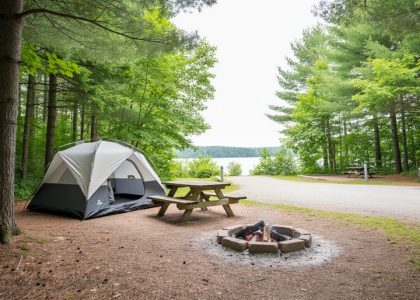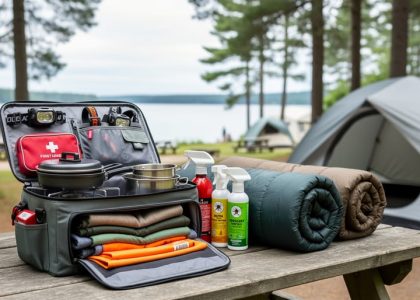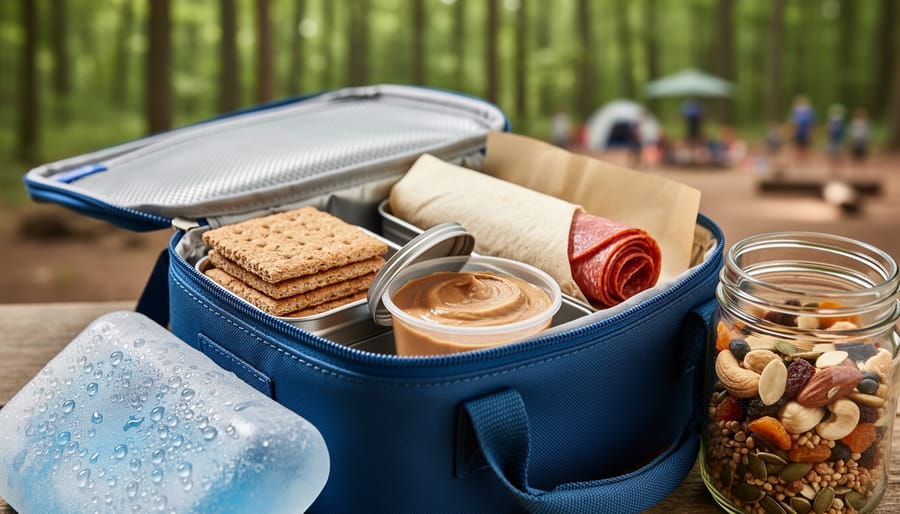
Packing nutritious lunches for summer camp without refrigeration is simpler than most parents think. Shelf-stable proteins like nut butters, hard cheeses, cured meats, and canned fish combined with whole-grain crackers, fresh fruits that hold up in heat, and properly sealed snacks create safe, satisfying meals kids will actually eat. The key is choosing foods that remain safe at ambient temperatures for 4-6 hours and packing them strategically with insulated lunch bags and ice packs that keep contents cool without relying on refrigeration at the destination.
Last summer at Ganaraska Forest Centre, camp coordinator Sarah Mitchell watched a group of 8-year-olds trade lunch items like currency. The most coveted? Homemade trail mix wraps and pepperoni roll-ups that had stayed fresh all morning without a cooler in sight. Her observation matches what nutritionists and camp directors across Ontario have been saying for years: the right no-refrigeration lunch keeps kids fueled for afternoon activities without the worry of spoilage or the disappointment of warm, wilted sandwiches.
Canadian summer camps present unique challenges. Temperatures can swing from cool mornings to hot afternoons, and most camps lack refrigeration access during the day. Whether you’re planning summer camping ideas for a week-long session or day camp adventures, understanding which foods travel well and which pose safety risks makes the difference between a lunch that gets eaten and one that gets tossed.
The twelve lunch ideas ahead focus on variety, nutrition, and appeal to young campers. Each one has been tested in real camp settings, requires minimal preparation, and uses ingredients readily available at Canadian grocery stores. You’ll also find essential food safety guidelines, packing strategies that extend freshness, and answers to the most common questions parents ask about non-refrigerated camp lunches.
How We Selected These Camp Lunch Ideas
We consulted with directors at overnight camps across Ontario, British Columbia, and Quebec to understand what really works when refrigeration isn’t an option. Their frontline experience, combined with feedback from 40+ camping families who’ve packed countless lunches for week-long sessions, shaped our selection process. Every lunch idea on this list passed five essential tests:
- Shelf-stability: Foods must remain safe at temperatures up to 30°C (86°F) for at least four hours without refrigeration
- Nutritional density: Each option provides sustained energy through protein, complex carbohydrates, and healthy fats for active campers
- Portability: Ingredients pack easily, won’t crush in backpacks, and kids can eat without utensils or extensive setup
- Allergen awareness: Options accommodate common restrictions, with clear alternatives for nut-free, dairy-free, and gluten-free needs
- Minimal prep: Parents can assemble these lunches in under 10 minutes the morning of camp
We deliberately excluded perishables like dairy yogurt, cheese slices, deli meats, and anything with mayonnaise because they enter the danger zone for bacterial growth too quickly in Canadian summer heat. Camp counselors confirmed these items consistently cause food safety concerns and often end up discarded uneaten.
1. Peanut Butter and Honey Wraps with Dried Fruit
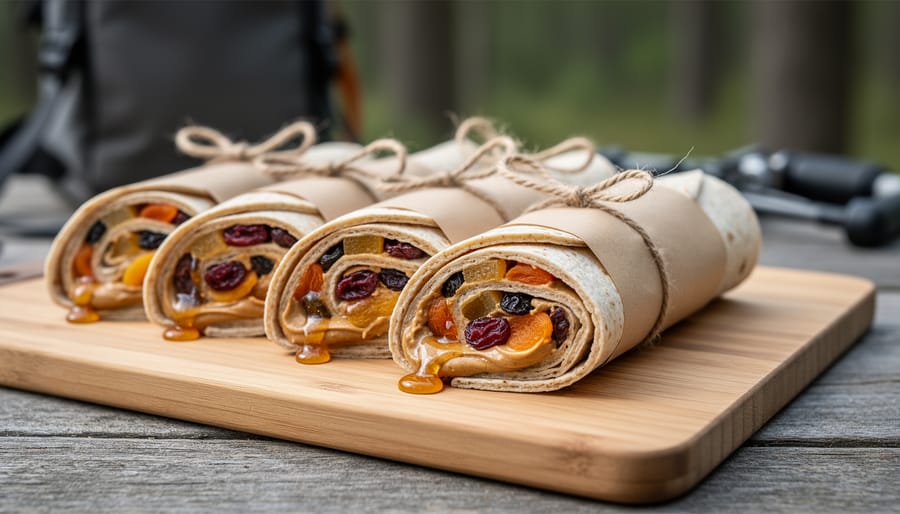
Peanut butter and honey wraps deliver sustained energy through a perfect blend of protein, healthy fats, and natural sugars, exactly what active campers need. Unlike sandwiches that turn soggy, whole wheat tortillas stay pliable for hours, and every ingredient remains safe without cooling.
Spread two tablespoons of peanut butter across a tortilla, drizzle with honey, then sprinkle dried cranberries or raisins down the center. Roll tightly and slice into pinwheels or keep whole, wrapping in parchment paper to prevent sticking. The natural oils in peanut butter and low moisture content of honey and dried fruit mean this combination won’t spoil, even on hot summer days.
The protein in peanut butter keeps kids satisfied through afternoon activities, while honey provides quick energy. Dried fruit adds vitamins and makes each bite more interesting. Pack these wraps in the morning and they’ll taste fresh at lunchtime.
For nut-free camps, substitute sunflower seed butter or soy nut butter. Both spread easily and offer similar nutritional benefits. You can also swap dried cranberries for chopped dates, apricots, or banana chips. Some counselors add a sprinkle of cinnamon or mini chocolate chips for extra appeal.
This simple wrap takes three minutes to assemble and handles the bumps and jostles of a camper’s backpack without falling apart.
2. Hard-Boiled Eggs with Salt Packets and Crackers
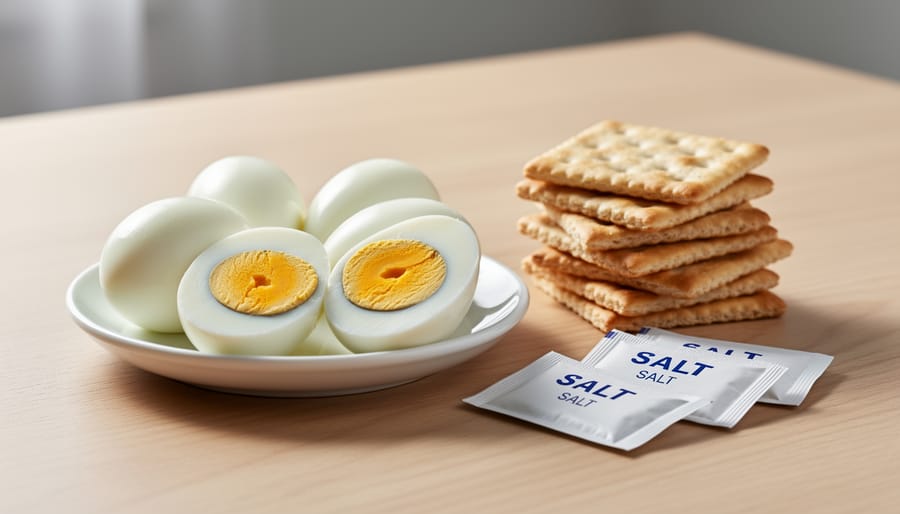
Hard-boiled eggs rank among the most practical protein sources for camp lunches. When left in their shells, they remain safe at room temperature for up to four hours, longer than most morning-to-lunch windows at summer camps. The shell acts as nature’s packaging, protecting the egg from bacteria while requiring zero refrigeration.
Pack two or three eggs per child alongside a handful of whole grain crackers for balanced energy. Individual salt packets (the kind from fast-food restaurants work perfectly) let kids season their eggs to taste without carrying a shaker that might spill. This combination delivers protein, healthy fats, and complex carbs that sustain active campers through afternoon activities.
Sarah, a veteran counselor at Camp Wendake in Ontario, swears by this lunch option. “We serve hard-boiled eggs at least twice a week during our canoe trips,” she explains. “Kids peel them right on the dock, and they never complain about being hungry an hour later. Plus, cleanup is just shells, no containers or wrappers to pack out.”
The beauty lies in simplicity. Boil eggs the night before, let them cool completely, then pack them unpeeled in a small container or cloth bag. They travel well, won’t get crushed, and appeal even to picky eaters.
3. Tuna or Salmon Pouches with Pita Bread
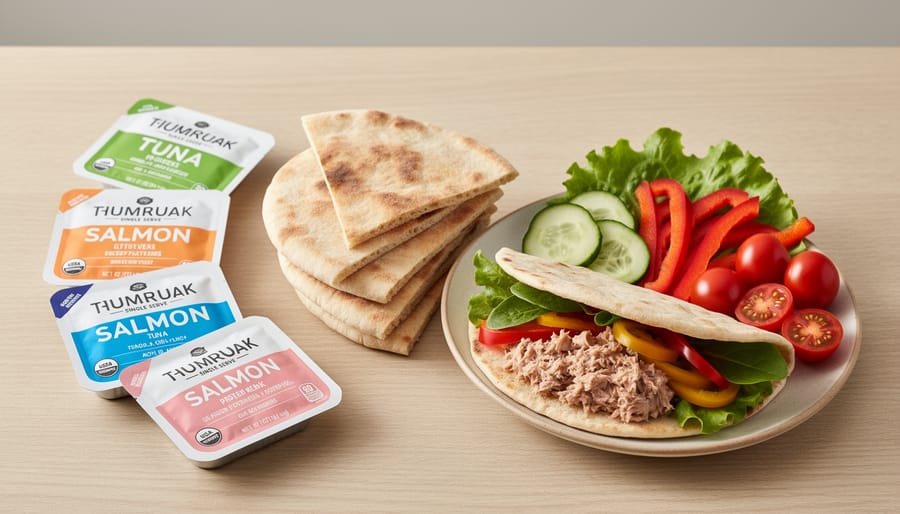
Shelf-stable tuna and salmon pouches transform into a protein-packed camp lunch that delivers omega-3 fatty acids and sustained energy for afternoon activities. These convenient pouches stay safe without refrigeration until opened, making them ideal for morning pack-ups that won’t be eaten until midday.
Pack a single tuna or salmon pouch (the 2.6-ounce size works perfectly for most kids) alongside whole wheat pita bread cut into triangles. Add cherry tomatoes and cucumber slices in a separate container, these vegetables hold up remarkably well for several hours without cooling, especially when kept in an insulated bag away from direct sun. Kids can tear open the pouch and either spread the fish onto pita bread or scoop it up using the pita as a utensil.
Pouches beat traditional cans in camp settings for several practical reasons. They’re lighter to pack, don’t require a can opener, create less waste, and tear open easily with small hands. The flexible packaging also means no sharp edges that might poke through lunch bags or cause cuts during enthusiastic unpacking at picnic tables.
For variety, rotate between different flavors, plain chunk light tuna, lemon pepper salmon, or seasoned options. The protein content (typically 16-20 grams per pouch) keeps campers satisfied through demanding physical activities, while the omega-3s support brain function during those afternoon nature lessons and craft sessions.
4. DIY Trail Mix Power Packs
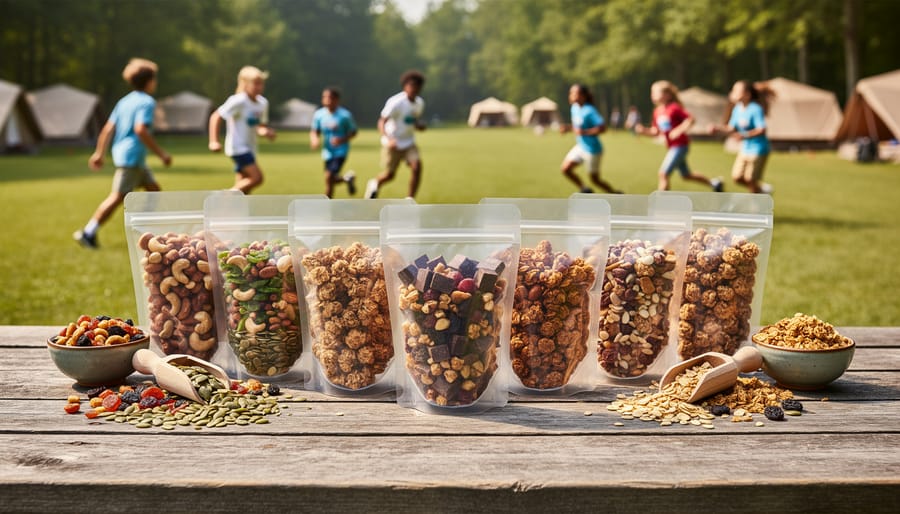
Trail mix delivers concentrated energy in a lightweight package that thrives in hot weather. The beauty of DIY power packs lies in complete control over ingredients, you choose what fuels your camper while sidestepping allergens that plague many families.
Start with a base of roasted almonds, pumpkin seeds, and sunflower seeds (about 40% of the mix). Add dried cranberries, apricots, or raisins for natural sweetness (30%), then fold in dark chocolate chips and whole grain cereal like Cheerios or Shreddies (30%). For younger campers aged 5-8, pack 1/3 cup portions; older kids 9-13 need closer to 1/2 cup to sustain afternoon activities.
Avoiding allergens requires intentional swapping. Replace peanuts with roasted chickpeas for crunch, swap tree nuts for pretzels or popcorn, and use dairy-free chocolate chips if needed. Always check camp policies first, many Ontario programs like those at Algonquin Park family camps feature nut-free trail mix as a staple lunch option precisely because it accommodates diverse dietary needs.
Pre-portion individual servings in small zip-top bags or reusable containers the night before. Label each with your child’s name, and tuck them into lunch bags knowing they’ll keep perfectly for 8-plus hours without refrigeration.
5. Hummus with Veggie Sticks and Pita Chips
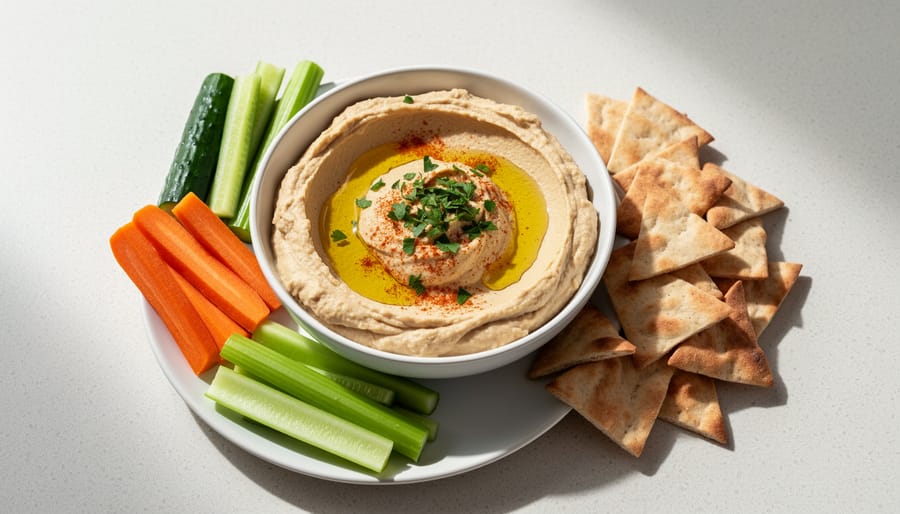
Single-serve hummus cups have become a camp lunch staple for good reason, they’re protein-packed, require zero refrigeration until opened, and kids actually enjoy eating them. These shelf-stable versions stay safe for months unopened, making them perfect for camp settings where cooling isn’t an option.
The key to hummus safety lies in the four-hour window. Once you pack the lunch in the morning, hummus stays perfectly safe for up to four hours at temperatures below 90°F, which covers most Canadian summer mornings through early afternoon. If temperatures climb higher, aim for the two-hour guideline instead.
Pair your hummus with sturdy vegetables that won’t wilt or bruise easily. Carrot sticks, bell pepper strips, and cucumber rounds all hold up well in a lunch bag. Add whole grain pita chips for crunch and extra fuel, they won’t get soggy and provide complex carbs to sustain energy through afternoon activities.
Pack the hummus cup separate from the veggies until lunchtime to prevent sogginess. An insulated lunch bag without an ice pack works perfectly for this combination, keeping everything at a safe temperature while avoiding the mushiness that comes from direct contact with frozen gel packs. Pre-portion the veggies the night before, store them in a sealed container, and assembly takes thirty seconds in the morning.
6. Bagels with Cream Cheese Alternatives
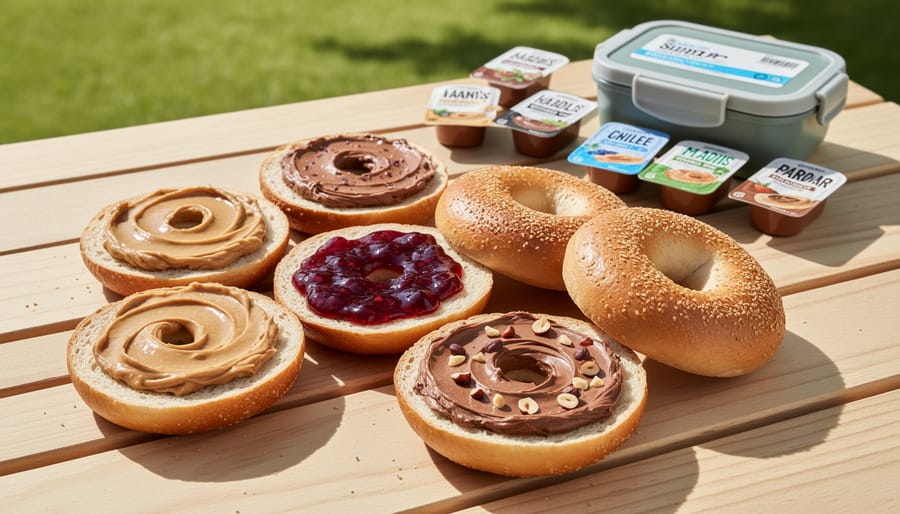
Bagels are camp lunch champions for one simple reason: they stay intact when sandwich bread turns soggy or crushed in a backpack. That dense, chewy texture that makes them satisfying also makes them remarkably heat-resistant, holding their shape through hours of hiking and active play.
Pair whole grain bagels with individual packets of nut butter (almond, cashew, or sunflower seed butter for nut-free camps) that don’t require refrigeration until opened. Single-serve jam packets work perfectly too, and kids can spread their own at lunchtime, turning the meal into a quick activity. For a protein boost, try shelf-stable vegan cream cheese alternatives in pouches, brands like Kite Hill offer individual servings that stay safe for several hours without cooling.
The variations are endless: cinnamon raisin bagels with honey almond butter, everything bagels with hummus, or plain bagels topped with jam and a sprinkle of sunflower seeds from your trail mix stash. One camp counselor in Alberta told me bagels saved their lunch program during a particularly hot week when nothing else held up. Pre-slice bagels at home for younger campers, but leave them whole for older kids who can tear and share. Pack spreads separately until eating time to prevent sogginess, and you’ve got a lunch that actually improves when it’s slightly sun-warmed rather than wilting in the heat.
7. Pasta Salad with Vinegar-Based Dressing
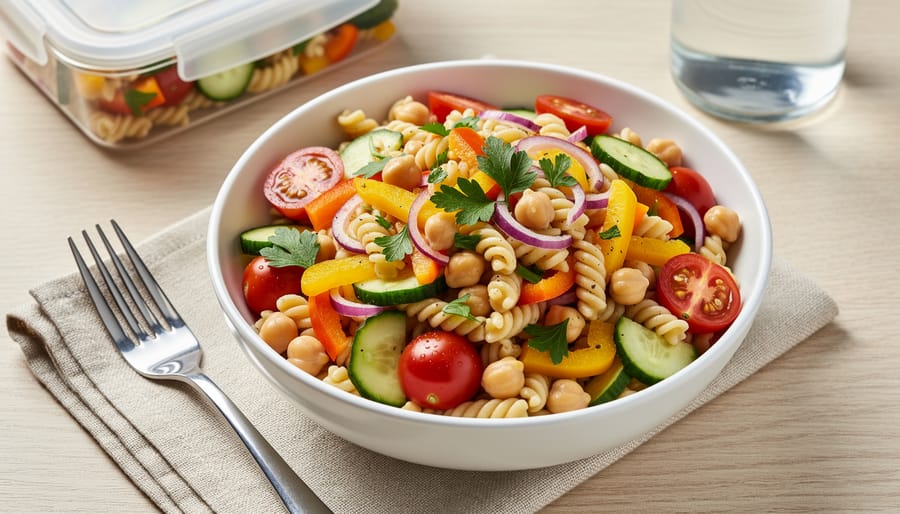
Cold pasta salad is a camp lunch champion because its vinegar-based dressing acts as a natural preservative. Unlike mayonnaise-based salads that spoil quickly, Italian dressing and vinaigrettes contain acid that inhibits bacterial growth for several hours at room temperature.
Pack rotini or bowtie pasta with cherry tomatoes, diced bell peppers, black olives, chickpeas, and cubed cucumber. Toss everything with Italian dressing or a simple olive oil and vinegar mix. The chickpeas add protein and fiber to keep campers satisfied through afternoon activities, while the vegetables provide essential vitamins lost during active play in the sun.
Prep this lunch the night before and store it in the fridge, then transfer to an insulated lunch container in the morning. The pasta will absorb some dressing overnight, so add an extra tablespoon before packing. The salad stays safe for up to six hours without refrigeration when kept in a shaded, cool spot.
For picky eaters, let kids customize their mix-ins the evening before. Some prefer just pasta and olives, while others load up on vegetables. A sprinkle of parmesan can be added in the morning since hard cheeses tolerate warm temperatures better than soft varieties. This make-ahead approach saves precious morning time when you’re rushing to get kids ready for camp.
8. Rice Cakes with Assorted Toppings
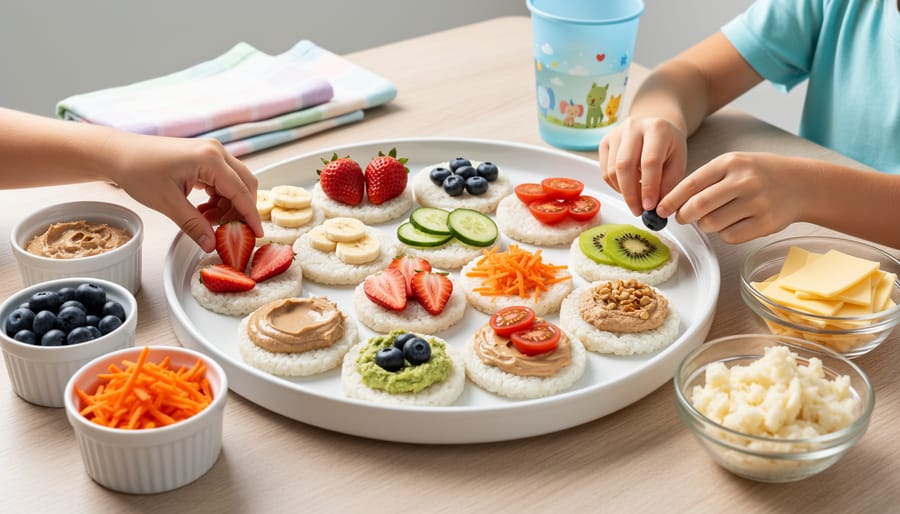
Rice cakes offer the ultimate customizable camp lunch that kids genuinely enjoy building themselves. The cakes are lightweight, virtually indestructible in a backpack, and stay fresh for days without refrigeration. Pack plain rice cakes separately from toppings so they maintain their signature crunch, then include individual portions of shelf-stable spreads like almond butter, sunflower seed butter (perfect for nut-free camps), or single-serve honey packets.
For variety, add shelf-stable cheese crisps or plant-based cheese alternatives that don’t require cooling. Many campers pack small containers of cinnamon sugar for sweet rice cakes or everything bagel seasoning for savory versions. The beauty of this lunch is that children can create different combinations throughout the week without getting bored.
One counselor at a Manitoba day camp told us rice cakes became the lunch kids actually traded for, not away from, especially when parents included multiple topping choices. Pack 3-4 rice cakes per child with 2-3 different spreads, and you’ve created an interactive meal that encourages kids to eat rather than toss their lunch aside after one bite.
9. Beef or Turkey Jerky with Cheese Crackers
Beef or turkey jerky paired with cheese crackers makes an exceptionally protein-rich lunch that doesn’t need refrigeration and holds up perfectly in hot weather. A single serving of quality jerky typically provides 9-15 grams of protein, while cheese crackers or crisps add another 3-5 grams, creating a satisfying combination that refuels kids after active morning sessions of swimming, hiking, or canoeing.
This lunch works particularly well because both components are naturally shelf-stable and specifically designed for portability. Choose jerky without added sugars and minimal preservatives when possible, look for options where meat is the first ingredient. Turkey jerky tends to be slightly leaner than beef, though both provide excellent protein density per ounce.
Wilderness camps throughout British Columbia have made this a staple lunch option because it travels well on backcountry trips, doesn’t create mess, and delivers sustained energy without the sugar crash of many packaged snacks. One camp director near Whistler noted that jerky lunches keep campers satisfied through afternoon trail exploration better than carb-heavy alternatives.
Pack individual portions in small resealable bags: about 1 ounce of jerky with 6-8 cheese crackers per serving. Add a piece of fresh fruit or a fruit pouch for balance, plus a bottle of water since the sodium content increases thirst. This combination provides roughly 200-250 calories and keeps campers energized for hours of outdoor adventure.
10. Overnight Oats in Mason Jars
Overnight oats in mason jars offer a portable, no-cook breakfast or lunch solution that doubles as an energy-packed midday meal during morning camp sessions. Mix rolled oats with shelf-stable milk (like UHT or oat milk), chia seeds, dried cranberries or apricots, a drizzle of honey, and a pinch of cinnamon the night before camp. The mixture thickens overnight and stays safe for up to eight hours without refrigeration when kept in an insulated bag, making it perfect for camps starting early and breaking for lunch around midday.
This 8-hour window works well for typical camp schedules, especially at overnight programs in Canadian national parks where breakfast prep happens at 7 AM and lunch arrives by 1 PM. The oats provide sustained energy from complex carbohydrates, while chia seeds add omega-3s and help kids stay full through afternoon activities. Pack with a spoon attached by rubber band to the jar lid for easy eating.
11. Tortilla Roll-Ups with Bean Spread
Tortilla roll-ups with bean spread deliver serious staying power for active campers without requiring refrigeration. Spread a layer of shelf-stable refried beans (available in pouches or cans you portion at home) onto whole wheat tortillas, roll them tightly, and wrap in parchment paper. The beans provide plant-based protein and fiber that keeps kids satisfied through afternoon activities, while the tortillas hold up remarkably well in warm weather without getting soggy.
Pack individual salsa packets separately so campers can add them at lunchtime for a flavor boost. For the lettuce component, include it in a separate small baggie with a damp paper towel, kids can tuck the shredded lettuce into their roll-ups right before eating to maintain crispness. This prevents the dreaded wilted-lettuce-in-a-warm-lunch-bag scenario that turns kids off healthy options.
The beauty of this lunch is its adaptability. Add a sprinkle of shelf-stable taco seasoning to the bean spread for extra flavor, or include packets of hot sauce for older campers who want more kick. While campers staying at campsites with electricity might have cooler options, these roll-ups prove you don’t need refrigeration to pack a satisfying vegetarian meal.
12. Energy Balls with Fruit Pouches
Energy balls pack serious nutrition into bite-sized portions that kids actually get excited about. Mix 1 cup rolled oats, ½ cup natural peanut or almond butter, ⅓ cup honey, ¼ cup ground flaxseed, and 2 tablespoons mini chocolate chips. Roll the mixture into 1-inch balls and refrigerate overnight to firm up. Once set, these stay safe without refrigeration for 6-8 hours, making them perfect for camp lunches.
The beauty of energy balls is their portability and customization. Swap the chocolate chips for dried cranberries, add shredded coconut, or use sunflower seed butter for nut-free camps. Each ball delivers complex carbohydrates, healthy fats, and protein that sustain energy through afternoon activities.
Pair energy balls with shelf-stable fruit pouches for a balanced lunch. The fruit provides quick energy and vitamins, while the balls offer sustained fuel. Pack 3-4 energy balls per child in a small container or reusable silicone bag.
Marie Dubois, director of Camp Lac-des-Îles in Quebec, shares: “We’ve been making energy balls with our campers for three summers now. They love helping roll them during cooking activities, and parents appreciate that they’re getting whole foods. We’ve never had a single complaint about kids being hungry before dinner.”
Store homemade energy balls in an airtight container at room temperature for up to three days, or freeze batches to grab as needed for camp weeks ahead.
Food Safety Tips for Camp Lunches Without Refrigeration
Food safety becomes even more critical when refrigeration isn’t available, and understanding the fundamentals protects your campers from foodborne illness. The two-hour rule is your baseline: perishable foods shouldn’t sit at room temperature longer than two hours. In cooler Canadian climates, such as morning temperatures in the Rockies or coastal British Columbia, you might safely extend this to four hours if ambient temperature stays below 90°F, but never push beyond that window.
Insulated lunch bags create a protective barrier against heat, especially when paired with frozen water bottles that gradually thaw into cold drinking water. Keep lunches in the shade whenever possible; direct sunlight can raise internal temperatures dramatically within minutes. Camp counselors across Ontario report that storing lunch bags inside tents or under picnic tables makes a noticeable difference on hot July afternoons.
Teach kids to recognize spoilage signs: off smells, unusual textures, or discoloration mean the food goes straight into the trash. While real-time tools help with tracking weather conditions during your trip, simple observation works best for lunch safety. If you’re planning extended camping adventures and making campground reservations for warmer regions like southern Saskatchewan in August, pack conservatively and choose the most shelf-stable options from this list. When in doubt, remember that slightly hungry is always safer than slightly sick.
Packing Strategies That Keep Food Safe Longer
The way you pack your camp lunch matters just as much as what goes in it. A quality insulated lunch bag acts as your first line of defense, creating a stable temperature zone even without ice packs. Look for bags with thick foam insulation, brands like Arctic Zone and Coleman offer models widely available at Canadian retailers like Canadian Tire and MEC that maintain internal temperatures 10-15 degrees cooler than ambient air for several hours.
The frozen water bottle technique delivers double benefits: freeze a 500ml bottle overnight, wrap it in a thin cloth, and nestle it among your lunch items. As it slowly thaws throughout the morning, it keeps surrounding food cool while providing cold drinking water by lunchtime. This approach works brilliantly during Canadian summer temperatures, especially for morning camp sessions.
- Place protein items (eggs, jerky, hummus) at the bottom of the bag where the frozen bottle keeps them coolest
- Layer sturdier items like wraps and bagels in the middle to prevent crushing
- Position delicate fruits and vegetables on top where they won’t get squashed
- Prep lunches the night before and store in the fridge, then transfer to the insulated bag just before leaving
- Choose containers with tight seals to prevent leaks and maintain food quality
Timing your lunch prep strategically extends food safety windows. Pack lunches right before departure rather than hours in advance, and if your child attends afternoon programs, consider sending shelf-stable options exclusively and saving items like hummus or overnight oats for morning sessions when they’ll be eaten within four hours.
Making These Lunches Work for Multi-Day Camping Trips
Multi-day camping trips require a different lunch strategy than single-day camps, but the same no-refrigeration principles apply with smart adaptations. Rotate your lunch ingredients across days to prevent menu fatigue, peanut butter wraps on day one, pasta salad on day two, jerky and crackers on day three. This variety keeps kids excited about mealtime even after several days outdoors.
Plan resupply points at Canadian campgrounds if you’re staying at established sites. Many provincial parks have small stores carrying shelf-stable items like tortillas, nut butters, and dried fruit. For backcountry trips, calculate portions precisely and pack ingredients in waterproof dry bags organized by day. This prevents rummaging through your entire food supply and keeps items protected from moisture.
Meal planning templates simplify multi-day trips. Create a simple chart listing each day’s lunch, required ingredients, and prep notes. Pack breakfast ingredients separately from lunch items to avoid confusion during busy mornings. This organization becomes crucial when you’re managing nutrition alongside activities like hiking steep trails or swimming in cold Canadian lakes, both of which demand sustained energy from balanced meals.
Consider prepping some components at home and finishing assembly at camp. Pre-mix trail mix portions, pre-boil eggs, or prepare energy balls before leaving. Fresh additions like cucumber or cherry tomatoes can join your menu on days two and three if stored properly in breathable produce bags kept in shade.
Packing nutritious summer camp lunches without refrigeration isn’t just possible, it’s surprisingly easy once you understand the basics. With proper planning, shelf-stable ingredients, and smart packing strategies, you can send your kids off with meals that fuel their adventures while keeping food safety front and center. Start by experimenting with two or three options from this list that match your family’s tastes and dietary needs, then gradually build your rotation as you discover what works best.
Getting kids involved in the prep process makes a real difference. When they help assemble trail mix or spread nut butter on wraps, they develop ownership over their meals and become more likely to actually eat what you pack. These simple lunches do more than satisfy hunger, they provide the sustained energy kids need for summer camping activities like canoeing, hiking, and exploring nature trails across Canada’s incredible outdoor spaces. Whether your family is heading to Ontario campgrounds or planning adventures at BC provincial parks, these no-fuss lunch ideas help create those carefree summer memories that last a lifetime.
Frequently Asked Questions
How long can these lunches stay unrefrigerated?
Most of these options remain safe for 2 hours at temperatures above 90°F, or up to 4 hours in cooler conditions. Using an insulated lunch bag and keeping food in shade extends this window considerably.
What if my child has allergies?
Many of these ideas have built-in alternatives, sunflower seed butter replaces peanut butter, vegan cream cheese substitutes for dairy, and rice cakes offer a gluten-free base. Always notify camp staff about allergies and pack clearly labeled alternatives that match your child’s restrictions.
Can I prep lunches the night before?
Absolutely. Wraps, energy balls, pasta salad, and overnight oats all improve when made 12-24 hours ahead. Keep them refrigerated until morning, then transfer to an insulated bag right before drop-off.
What drinks are safe without refrigeration?
Water bottles, shelf-stable milk or juice boxes, and powdered drink mixes work perfectly. Freezing water bottles overnight gives kids cold water by lunchtime while providing thermal mass to keep nearby food cooler.
Are there vegetarian options on this list?
Yes, peanut butter wraps, hummus with veggies, trail mix, pasta salad, rice cakes, overnight oats, and tortilla roll-ups with bean spread are all vegetarian-friendly and provide solid protein without meat.
How should I handle leftovers at pickup?
Toss any perishable items that sat out all day, even if they look fine. Shelf-stable items like unopened crackers, sealed pouches, or whole fruit can come home and be saved for another day.
These questions reflect what real camping families across Canada ask every summer. Parents often worry they’re being overly cautious about food safety, but teaching kids these habits early builds lifelong skills for outdoor adventures. The beauty of these lunch ideas is that they remove most of the guesswork, when you choose foods designed to handle warm conditions, you spend less time stressing and more time enjoying the camping experience with your children.