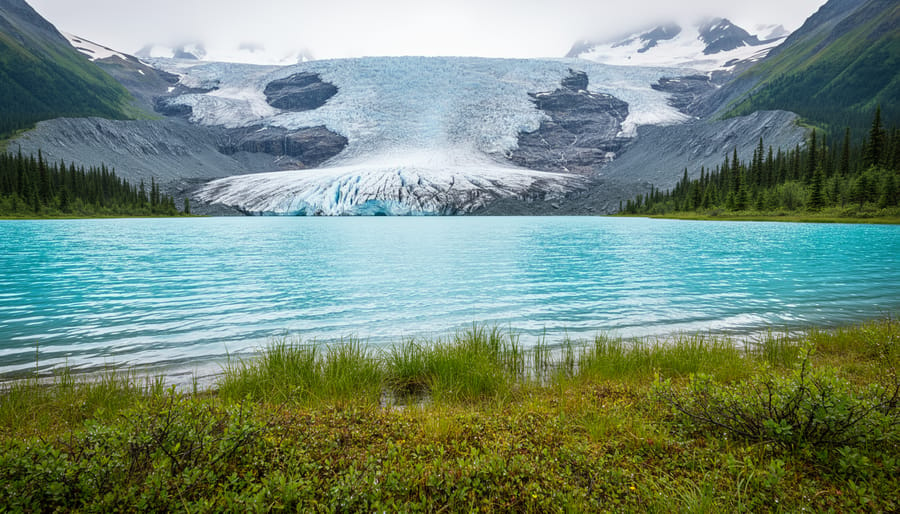
Kluane National Park in southwestern Yukon protects 22,013 square kilometers of Canada’s most dramatic wilderness, home to Mount Logan (Canada’s tallest peak at 5,959 meters), the world’s largest non-polar ice field, and grizzly bear populations that roam valleys thick with Dall sheep and caribou. This UNESCO World Heritage Site delivers an authentic backcountry experience far removed from the crowded trails you’ll find in many entries on our Canada national parks guide. What sets Kluane apart is its raw scale and accessibility paradox: while 80% of the park remains covered in ice and reserved for serious mountaineers, the remaining valleys and front-country trails offer day hikers and car campers a front-row seat to glaciers, turquoise lakes, and wildlife encounters that feel like they belong in a documentary.
Most visitors base themselves along the Alaska Highway corridor near Haines Junction, where you can tackle everything from two-hour nature walks to multi-day backcountry routes without needing technical climbing skills. The park sees just a fraction of the traffic that Banff or Jasper attract, which means you’re more likely to have a lakeshore campsite or ridgeline view entirely to yourself. That remoteness demands preparation, but the reward is experiencing one of North America’s last true wilderness strongholds where the landscape still looks much as it did centuries ago.
Why Visit Kluane National Park
Kluane National Park stands apart as one of North America’s most dramatic wilderness destinations, protecting an immense landscape where ice, rock, and wildlife create scenes few other places can match. The park shelters the world’s largest non-polar icefields, a vast frozen realm covering roughly 80% of the park’s 22,000 square kilometers. These massive ice sheets feed countless glaciers that carve through valleys and spill down mountainsides in frozen rivers of blue and white.
Rising from this icy expanse, Mount Logan claims its place as Canada’s highest peak at 5,959 meters. The mountain dominates the park’s interior along with 17 of Canada’s 20 highest peaks, creating an alpine playground that draws mountaineers from around the world. But you don’t need technical climbing skills to appreciate what Kluane offers.
The park’s accessible valleys and foothills deliver wildlife encounters that rank among Canada’s best. Grizzly bears roam the river corridors and hillsides, particularly visible in spring and late summer when they’re feeding actively. Dall sheep, pure white against grey rock, dot the slopes above Sheep Mountain. You’ll also spot caribou, wolves, golden eagles, and if you’re lucky, wolverines moving through their territory.
What makes Kluane especially remarkable is where it sits geographically. The park marks a meeting point between coastal Pacific air and the continental interior, creating distinct ecological zones within a compact area. This convergence produces incredible biodiversity and weather patterns that shift rapidly, from sudden snow squalls to brilliant sunshine within hours.
Whether you’re planning a quick stop for roadside wildlife viewing, a day hike to an alpine lake, a week-long backpacking trip, or a flightseeing tour over the icefields, Kluane scales to match your ambitions. The park rewards every level of effort with landscapes and experiences that feel genuinely wild and remote.
Top Areas and Attractions in Kluane
1. Kathleen Lake and Day Use Area
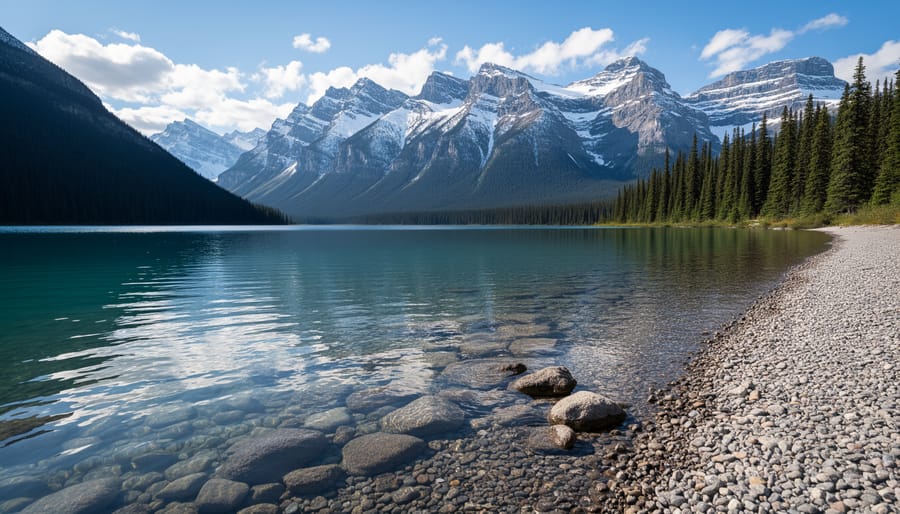
Kathleen Lake sits at the end of a paved access road 27 kilometers south of Haines Junction, making it the easiest entry point into Kluane’s alpine wilderness. The turquoise glacial lake spreads out beneath dramatic mountain peaks, with a well-maintained day use area offering picnic tables, pit toilets, and a small beach perfect for families. You can wade in the shockingly cold water or rent a canoe to paddle along the shore while scanning the slopes for Dall sheep.
The King’s Throne trail starts right from the campground and climbs steeply through spruce forest before breaking into alpine meadows with sweeping views. This challenging 5-hour round trip gains 1,200 meters of elevation, and the summit ridge delivers one of Yukon’s most photographed panoramas across the lake and surrounding peaks. Start early to avoid afternoon thunderstorms and bring layers, conditions change quickly at elevation.
The adjacent campground has 41 sites tucked among the trees, with bear-proof food storage and potable water. Sites fill up quickly in summer, especially on weekends, so arrive by early afternoon or book ahead when reservations open. Several shorter trails near the lakeshore offer easier options for those not tackling King’s Throne.
2. Auriol Trail
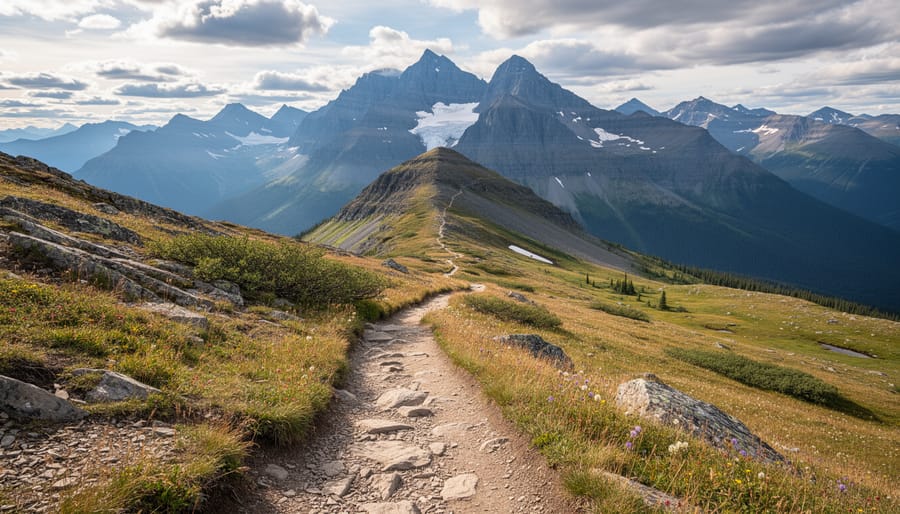
The Auriol Trail delivers one of Kluane’s most rewarding multi-day experiences, a roughly 15-kilometer route that threads through alpine valleys beneath towering peaks. Most hikers complete the trail in two to three days, camping at designated sites along the way.
The trail starts from Kathleen Lake and climbs steadily through subalpine forest before breaking into open tundra with sweeping views of the Kluane Ranges. You’ll traverse rocky slopes, cross alpine meadows thick with wildflowers in July and August, and navigate stream crossings that can be challenging during snowmelt. The route demands strong navigation skills, trail markers are minimal, and weather can obscure visibility quickly.
Wildlife encounters are common. Grizzlies frequent the valleys, and you’ll need to hang food properly at all camps. Dall sheep often appear on nearby ridges. The trail’s moderate-to-challenging rating reflects both terrain and remoteness: you’re truly in the backcountry here, hours from any road. Bring bear spray, topographic maps, and be prepared for rapidly changing mountain weather, even in summer.
3. Slims River Valley
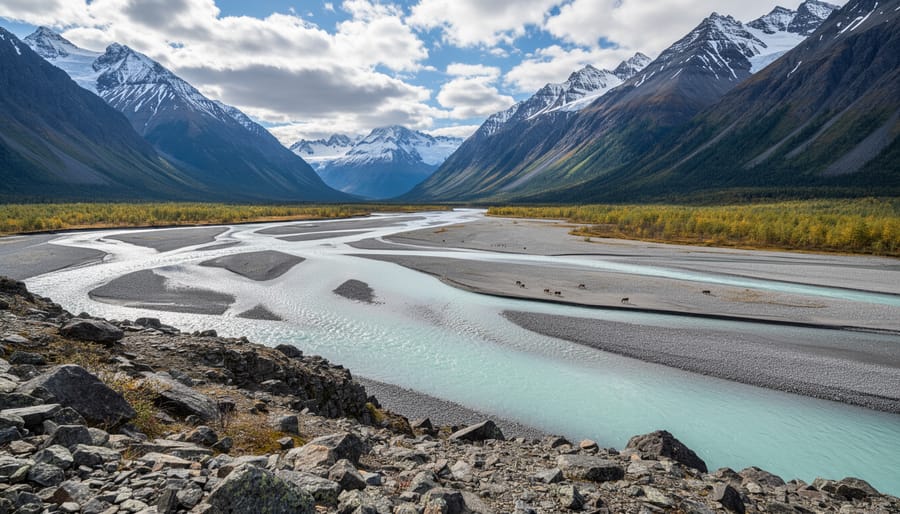
Slims River Valley stands out as one of Kluane’s premier wildlife viewing areas, where the wide, braided river channels create an open landscape that makes spotting animals much easier than in forested sections of the park. Grizzly bears frequent the valley from late spring through fall, feeding on roots, berries, and ground squirrels across the river flats. The exposed terrain means you can often observe bears from a safe distance of several hundred meters, making this an ideal spot for photography with a telephoto lens.
The valley’s dramatic backdrop features the towering peaks of the St. Elias Range, with glaciers visible on the mountainsides. The braided river constantly shifts course, creating a complex network of channels, gravel bars, and vegetated islands that support diverse wildlife. Moose and wolves also use this corridor, and the open sight lines mean patient observers often see multiple species during a single visit.
Access the valley via the park road, where pullouts allow safe viewing. Bring binoculars and stay in your vehicle if bears are close. Early morning and evening hours typically offer the best wildlife activity.
4. Kaskawulsh Glacier
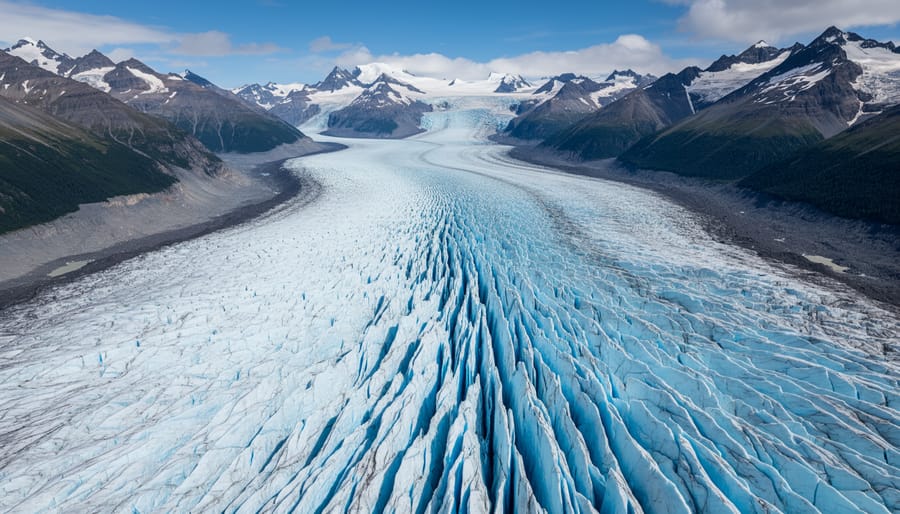
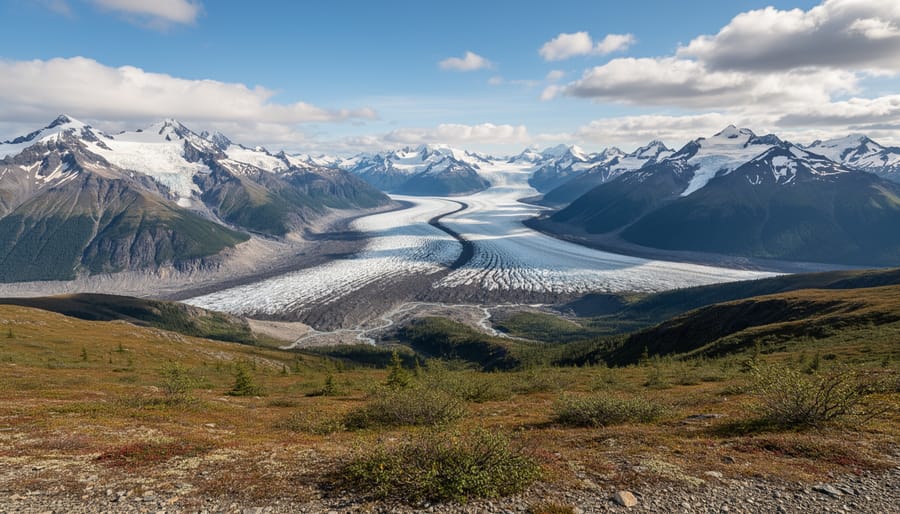
The Kaskawulsh Glacier stretches over 70 kilometers through Kluane’s heart, creating one of the most dramatic ice landscapes in the Yukon. This massive glacier feeds into both the Pacific and Arctic watersheds, making it one of the few glaciers in the world that drains into two different ocean systems.
Most visitors experience Kaskawulsh from the air, as ground access requires serious mountaineering skills and multi-day expeditions. Flightseeing tours from Haines Junction circle the glacier’s toe, where immense seracs and crevasses showcase the ice’s raw power. On clear days, you’ll see the glacier’s true scale as it winds between mountain peaks, its surface broken into waves of blue and white ice.
The glacier made headlines when its meltwater abruptly changed course, a visible example of how climate change is reshaping this landscape. Viewing it reinforces why Kluane earned UNESCO recognition, this is ice-age scenery that few places on Earth can match. Flightseeing operators offer various routes, with some tours combining Kaskawulsh views with flights over Mount Logan and neighboring icefields for a fuller picture of the park’s glacial backbone.
5. Sheep Mountain Area
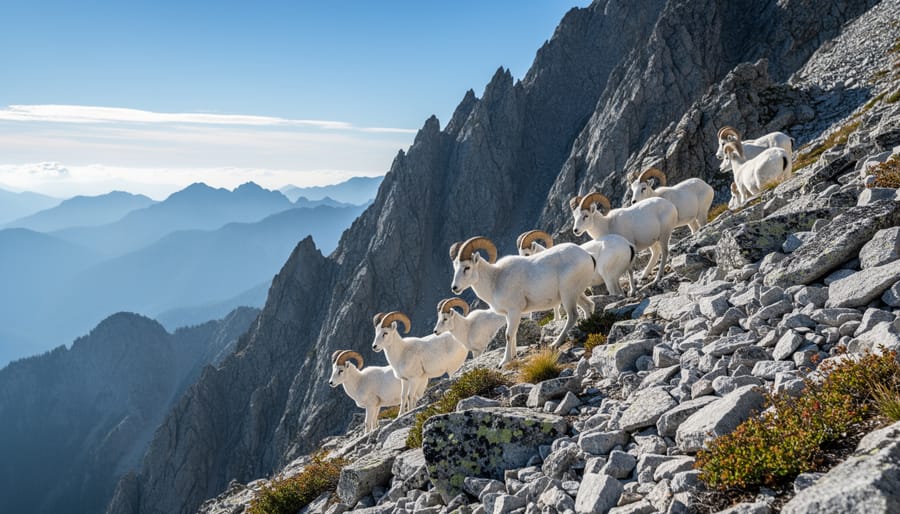
Sheep Mountain rises dramatically along the Alaska Highway about 75 kilometers northwest of Haines Junction, and it’s the single best place in the park to see Dall sheep without hiking deep into the backcountry. These pure white sheep, North America’s only naturally white wild sheep, graze the steep, rocky slopes visible right from the highway pullouts and the small interpretive center that operates during summer months.
The sheep stay high on the mountain most of the year, but they’re easiest to spot from late spring through early fall when they descend to mineral licks. Bring binoculars or a telephoto lens. Early morning and late afternoon offer the best lighting for photography, with the white coats standing out against the dark rock when shadows define the terrain.
The interpretive center provides spotting scopes and knowledgeable staff who can point out sheep locations and explain their ecology. Even if the center is closed, the viewing areas remain accessible year-round. Scan the slopes methodically, sheep blend surprisingly well despite their coloring, and watch for movement against the ridgelines.
6. Mush Lake Road
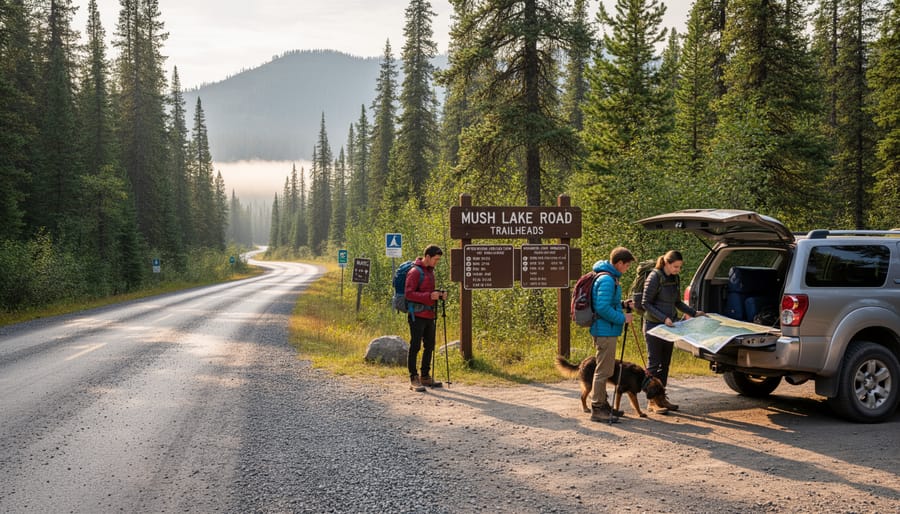
Mush Lake Road cuts 26 kilometers into Kluane’s backcountry, serving up some of the park’s best hiking without the crowds you’ll find at Kathleen Lake. The gravel road is rough but usually passable for most vehicles in summer, just take it slow and watch for potholes.
The trailheads along this route give you real choices. Bates Lake Trail offers a moderate day hike through boreal forest to a peaceful alpine lake, perfect if you want solitude without committing to an overnight trip. For backpackers, the Alsek Trail system begins here, leading deep into mountain valleys where you’re genuinely off-grid. This multi-day route demands solid wilderness skills and proper bear safety gear.
Closer to the road’s end, shorter trails branch toward lookout points with sweeping views of the Alsek Range. These make excellent afternoon hikes when weather cooperates.
The road itself closes with snow, typically from October through May, so plan accordingly. You won’t find services out here, pack everything you need, including bear spray and extra food. The isolation is precisely what makes Mush Lake Road special for hikers craving authentic wilderness access.
7. Dezadeash River Corridor
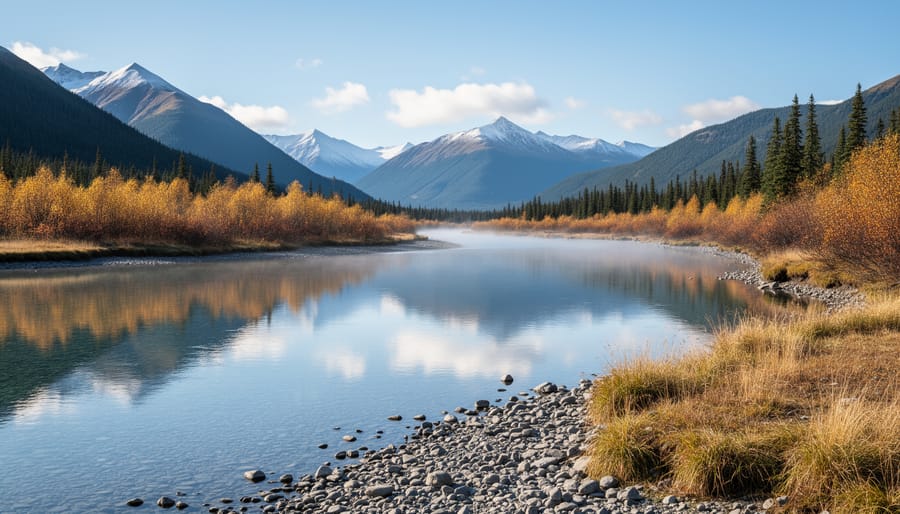
The Dezadeash River Corridor offers a completely different atmosphere from Kluane’s dramatic mountain zones. This lower-elevation area along the park’s eastern boundary attracts visitors seeking a quieter, more contemplative wilderness experience. The wide valley and braided river create gentler terrain compared to the alpine areas, making it accessible for those who want to explore without committing to strenuous mountain hikes.
Anglers find productive fishing here, particularly for grayling and lake trout in the connected waterways. The river corridor also provides excellent opportunities for wildlife photography in a more open landscape where animals are easier to spot against the valley floor rather than mountainous terrain.
September transforms this corridor into one of the Yukon’s most colorful destinations. The mix of willow, aspen, and birch creates spectacular fall displays, with golden yellows contrasting against the dark green spruce. Several trails branch off from the corridor, ranging from short interpretive walks to longer day hikes that explore the transitional zone between river valley and mountain foothills. This area proves especially valuable during poor weather when higher elevations become inhospitable.
Practical Information for Visiting Kluane
Getting There and Park Access
Kluane National Park sits in Yukon’s southwest corner along the Alaska Highway, approximately 160 kilometers west of Whitehorse. Most visitors drive from Whitehorse, a scenic two-hour journey that follows the Alaska Highway through boreal forest and opens to mountain views as you approach the park. The small village of Haines Junction, at the intersection of the Alaska Highway and Haines Road, serves as the gateway community with gas stations, grocery stores, restaurants, and the main Parks Canada Visitor Centre.
The visitor center in Haines Junction provides essential trip planning resources, current trail conditions, backcountry registration, and bear safety briefings. Park staff can recommend routes based on your experience level and weather forecasts. Stop here first before venturing into the park, especially if you’re planning backcountry trips.
The park has several access points along the Alaska Highway. Kathleen Lake, the most developed area with a campground and day-use facilities, lies just off the highway about 27 kilometers south of Haines Junction. Other trailheads and viewing areas dot the highway corridor through the park. Note that most of Kluane’s backcountry requires serious preparation and self-sufficiency, this isn’t a park with extensive road access or facilities beyond the main corridor.
Where to Stay Near and in the Park
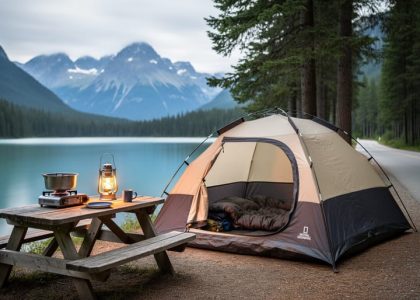
Kluane offers limited but well-positioned camping within park boundaries. Kathleen Lake Campground provides 41 sites with basic facilities, drinking water, pit toilets, picnic tables, and fire pits, operating from late May through September. This frontcountry option puts you steps from the lake and King’s Throne trailhead. Backcountry camping requires a free wilderness permit available at the visitor center, where staff brief you on bear safety and route conditions.
For more amenities, Haines Junction sits 27 kilometers north at the Alaska Highway junction. The small town offers motels, B&Bs, a hostel, and private campgrounds with showers and laundry. Book accommodation well ahead for July and August when demand peaks. Parks Canada camping reservations for Kathleen Lake open in January and fill quickly for summer weekends.
Consider Dalton Trail Lodge or similar wilderness lodges outside park boundaries if you want comfort between backcountry days. Winter visitors will find extremely limited options, Haines Junction stays open year-round, but confirm specific properties operate during your dates.
Essential Safety and Regulations
Kluane’s remote wilderness demands serious preparation. Bear safety is non-negotiable: carry bear spray within reach at all times, make noise on trails, and store all food in bear canisters or hang it properly at designated sites. The park is home to healthy populations of grizzlies and black bears, and encounters are possible anywhere. All backcountry travelers must register at the visitor center before departure and de-register upon return, this isn’t optional paperwork but a critical safety system in case rescue becomes necessary.
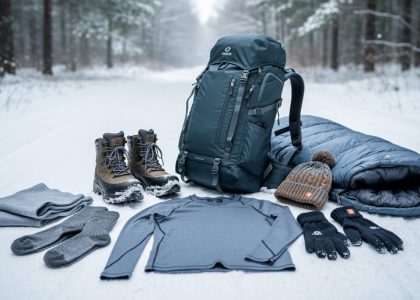
Weather shifts rapidly in these mountains. Bring proper camping safety gear including layers for all conditions, rain protection, and emergency shelter even on day hikes. Summer temperatures can swing from 25°C at midday to near freezing overnight. Snow is possible any month at higher elevations.
Leave No Trace principles protect this fragile ecosystem: pack out all waste including toilet paper, camp on durable surfaces, keep 100 meters from water sources when camping, and never approach or feed wildlife. Respect cultural sites and private property within the park, as portions remain traditional territory with active use by First Nations communities.
Local Tips for Exploring Kluane
Locals and experienced visitors know that Kluane’s weather can shift dramatically within hours, so pack layers and quality best rainwear even on sunny mornings. Early morning and late evening offer the best wildlife viewing, particularly for bears along Slims River Valley and Dall sheep on Sheep Mountain. For a quieter experience, arrive at popular spots like Kathleen Lake before 9 AM or after 5 PM when tour buses have departed.
Connect with local outfitters in Haines Junction for flightseeing tours or guided backcountry trips. They know current trail conditions, recent wildlife activity, and can access areas impossible to reach on foot. Book these services at least a few weeks ahead during summer months, as small operators fill quickly.
Before you visit, review your camping essentials and prepare for genuine wilderness conditions:
- Layer clothing for temperatures ranging from freezing to 20°C in a single day
- Carry bear spray on every hike and know how to use it properly
- Book campsites and permits at least two weeks ahead for July and August
- Learn about the area’s Indigenous heritage at the Da Kų Cultural Centre in Haines Junction
- Download offline maps since cell service is unavailable throughout most of the park
Respect that you’re visiting the traditional territory of the Champagne and Aishihik First Nations and Kluane First Nation. The Da Kų Cultural Centre offers context about the deep connection between Indigenous peoples and this land. Take time to understand this relationship rather than treating the park as empty wilderness.
For a lesser-known viewpoint, drive the Haines Road toward Alaska Pass for spectacular vistas without crowds. The roadside pullouts offer photo opportunities that rival many maintained trails.
Frequently Asked Questions
Do I need a permit to visit Kluane National Park?
Day visitors don’t need permits for front-country areas like Kathleen Lake or the Sheep Mountain viewing area. However, backcountry camping requires a wilderness permit and registration, which you can obtain at the visitor center in Haines Junction or designated trailheads.
Is there cell phone service in the park?
Cell service is extremely limited throughout Kluane. You might catch a signal in Haines Junction and occasionally near Kathleen Lake, but expect zero coverage once you’re on trails or in backcountry areas. Download maps and information before entering the park.
Can families with young children visit Kluane?
Absolutely. The Kathleen Lake day use area offers easy lakeside walks, picnic facilities, and calm water suitable for families. The Sheep Mountain interpretive trails are also manageable for kids and provide excellent wildlife viewing without strenuous hiking.
How many days should I plan for visiting Kluane?
A day trip from Whitehorse covers the highlights like Kathleen Lake and Sheep Mountain. Two to three days allows for a day hike on King’s Throne or Auriol Trail plus wildlife viewing. Serious backpackers and mountaineers typically spend a week or more exploring the backcountry.
What’s the difficulty level for hiking in Kluane?
The park offers everything from wheelchair-accessible boardwalks at Sheep Mountain to technical mountaineering routes on Mount Logan. Popular day hikes like King’s Throne are moderately challenging with significant elevation gain, while backcountry routes require navigation skills, bear awareness, and wilderness experience.
When is the best time to visit for wildlife viewing?
Late spring through early fall provides the best opportunities. Dall sheep are visible year-round at Sheep Mountain, but grizzly bears are most active from May through September. August and September offer peak chances for seeing multiple species as animals prepare for winter.
These answers address the most pressing concerns visitors have before committing to the journey. Kluane’s remoteness means proper planning matters more than at most parks. The lack of connectivity reinforces the need to arrive prepared with downloaded resources, physical maps, and a solid understanding of regulations.
Weather unpredictability deserves mention too. Even in summer, conditions can shift rapidly from sunshine to snow at higher elevations. Pack layers regardless of the forecast, and don’t let a blue sky morning fool you into leaving rain gear behind. The mountains create their own weather patterns, and being caught unprepared in Yukon wilderness isn’t a minor inconvenience.