Ontario’s provincial park system offers over 340 parks with thousands of campsites, and booking your forest camping spot requires navigating the online reservation system at, where most sites can be reserved up to 30 days in advance. The process is straightforward: select your park, choose your dates, pick from available campsites, and complete your booking with a valid park pass. Daily Vehicle Permits can be reserved up to 5 days ahead, and the 2026 Ontario Park Passes have just arrived, giving season-long access to day-use areas across the entire network.
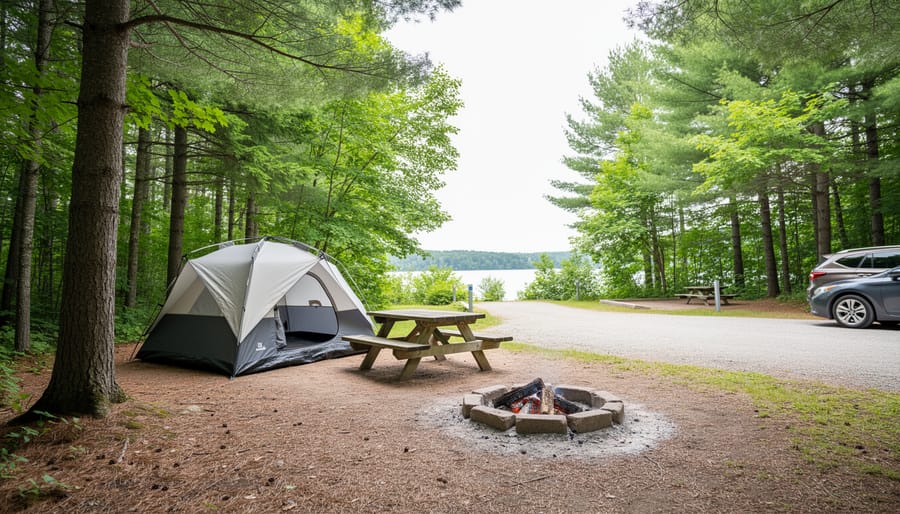
For campers seeking peaceful forest settings, parks like Earl Rowe Provincial Park deliver exactly what you’re looking for. Running from May 8 to October 13, 2026, Earl Rowe features private, shaded campsites tucked among the trees, including dedicated spots for RVs, radio-free zones for those craving quiet, and group sites perfect for family reunions. The beauty of Ontario’s forest camping lies in the diversity: you can wake to birdsong in a secluded hardwood grove, spend your day paddling calm lakes, and return to a site where you’re permitted to enjoy a cold beer around the campfire if you’re 19 or older.
As the registered permit holder, you’re responsible for everyone at your campsite, so understanding the booking system, park rules, and what’s included in your reservation matters. This guide breaks down everything you need to know about securing your spot in Ontario’s best forest parks, from eligibility and reservation windows to camper responsibilities and where to find help when questions arise.
What Ontario Provincial Park Camping Permits Include
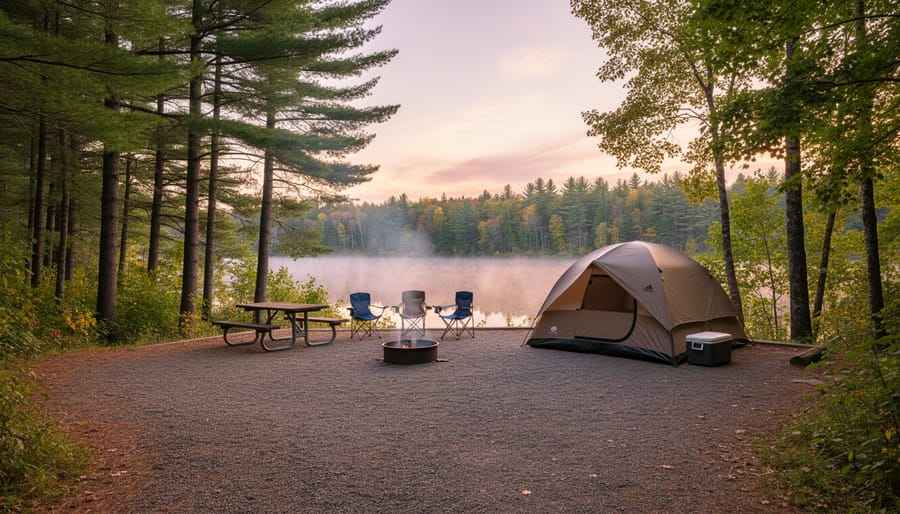
When you secure a camping permit for an Ontario provincial park, you’re gaining more than just a place to pitch your tent. The permit grants you exclusive access to a designated campsite for your reservation period, along with vehicle entry to the park and the right to occupy the site with your camping party. Your permit covers the use of park amenities like washrooms, shower facilities where available, and access to trails, beaches, and other recreational areas within the park during your stay.
The camping permit system ensures each site remains yours alone for the duration of your booking. No one else can claim your reserved spot, and you have full occupancy rights from your check-in time through your departure date. The permit also allows you to bring a vehicle onto park property and park it at your designated campsite, eliminating the need for separate vehicle arrangements in most cases.
Understanding your responsibilities as the registered permit holder is crucial. You’re not just booking a site for yourself, you’re accountable for everyone who uses that campsite during your reservation. If anyone in your camping party violates park rules, damages property, or causes disturbances, you as the permit holder could face charges or penalties. This responsibility extends to guests, family members, friends, and anyone else you allow at your site.
Daily vehicle permits operate differently from camping permits. While a camping permit includes overnight stays and campsite occupancy, a daily vehicle permit simply grants entry to the park for day-use activities without camping privileges. You’d need a daily vehicle permit if you’re visiting a park for hiking, picnicking, or beach access without staying overnight. Through the Ontario Parks system, you can reserve daily vehicle permits up to 5 days in advance, whereas camping permits can be booked up to 30 days ahead. The distinction matters when planning your visit, day trippers need vehicle permits, overnight campers need camping permits that bundle both site access and vehicle entry together.
Who Can Camp in Ontario Provincial Parks: Eligibility and Requirements
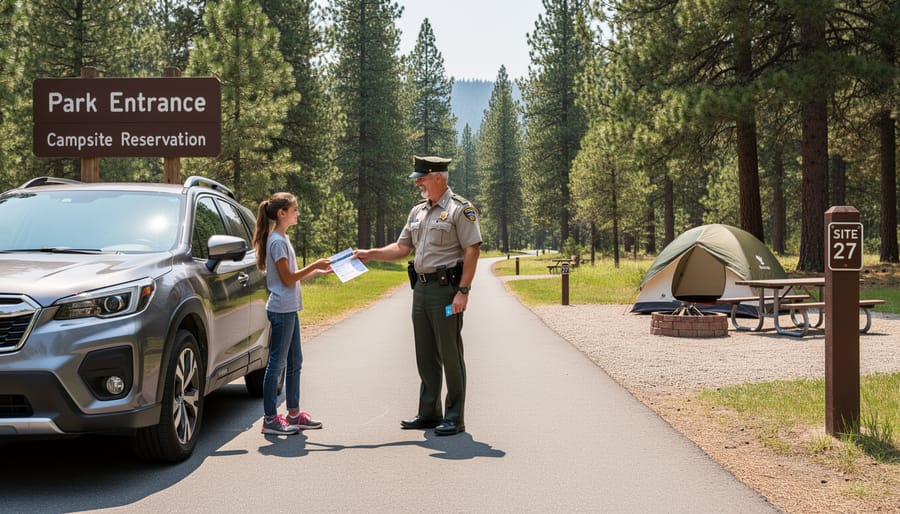
Ontario’s provincial parks welcome everyone who wants to experience forest camping, with no special qualifications or prerequisites required. Whether you’re a seasoned camper or planning your first overnight trip, the system is designed to be inclusive and straightforward.
Anyone can book a campsite, though the person making the reservation becomes the registered permit holder and assumes responsibility for everyone at that site. There’s no minimum age specified for permit holders, but keep in mind that you’ll need a valid payment method and must agree to park regulations. The permit holder is accountable for the conduct of all campsite occupants and could face charges based on the actions of anyone at their registered site, a responsibility worth considering when camping with groups.
Most campsites accommodate up to six people and two vehicles, though specific limits vary by park and site type. If you’re planning a larger gathering, look for designated group campsites like those at Earl Rowe Provincial Park, which are built for bigger parties and extended family trips.
Vehicle access is straightforward: you’ll need a roadworthy vehicle to reach drive-in campsites, and your camping permit typically includes parking for one vehicle at your site. Additional vehicles require daily permits. Backcountry sites accessible only by foot or canoe have different logistics but remain open to all skill levels willing to make the journey.
Ontario Parks offers accessible camping options for visitors with mobility challenges or special needs. Many parks feature wheelchair-accessible sites with paved pads, accessible washrooms, and proximity to facilities. When booking, look for the accessibility filter on the reservation platform or call individual parks directly to discuss specific accommodations. Staff can help match you with sites that meet your requirements, ensuring everyone can enjoy Ontario’s forest camping experiences.
How to Reserve Your Campsite: The Complete Booking Process
Booking Timeline: How Far in Advance You Can Reserve
Ontario’s provincial park reservation system operates on a rolling 30-day advance booking window for campsites. This means you can reserve a campsite starting exactly 30 days before your intended arrival date. For example, if you want to camp on July 15, you can book as early as June 15. The system opens daily at 7 a.m. Eastern Time, releasing new dates into the reservation pool.
Daily vehicle permits follow a shorter timeline, you can book these up to 5 days in advance through . This option works well for spontaneous day visits or if you’re arriving at a park where you’ve arranged accommodation outside the provincial camping system.
For popular forest camping destinations like Earl Rowe Provincial Park, booking strategy matters. High-demand parks fill quickly during peak summer weekends (late June through August) and holiday long weekends, so logging in right at 7 a.m. on the first available booking day gives you the best selection. Earl Rowe’s season runs May 8 to October 13, 2026, with shoulder-season dates, late May and September, often offering better availability while still delivering excellent forest camping conditions.
Mid-week arrivals (Tuesday through Thursday) typically see more open campsites than Friday and Saturday check-ins. If your schedule allows flexibility, targeting these days expands your options considerably. For specialized sites like radio-free or group campsites, early booking becomes even more critical since these represent a smaller portion of each park’s inventory.
Consider the 2026 Ontario Park Pass if you’re planning multiple trips, passes are already available and can simplify your reservation process. Remember that understanding park regulations, including cannabis vaping tips for responsible use, helps ensure smooth camping experiences once you’ve secured your dates.
Step-by-Step: Making Your Reservation Online
The Ontario Parks online reservation system at streamlines the booking process into a few straightforward steps. Start by visiting the platform and creating an account if you’re a first-time user, you’ll need a valid email address and password. Returning campers can simply log in with their existing credentials. The account stores your booking history and makes future reservations faster.
Once logged in, use the search function to find available campsites. You can search by specific park name, region, date range, or camping type (car camping, radio-free sites, group campsites, or RV-friendly options). The platform displays a calendar showing availability up to 30 days in advance for overnight camping, so plan accordingly if you’re targeting popular parks during peak season. For day visits, daily vehicle permits can be reserved up to 5 days ahead.
When you’ve found suitable dates, the system shows an interactive map of the park with available sites marked. Click on individual sites to view details like amenities, size, proximity to facilities, and whether the site is shaded or private, particularly useful if you’re seeking those tranquil forest spots. Earl Rowe Provincial Park, for instance, offers a mix of private and shaded campsites that you can preview this way.
After selecting your preferred site, review your booking summary carefully. The platform will calculate your total costs, though specific fees vary by park and should be confirmed at this stage. You’ll complete payment through the secure checkout using a major credit card. Once processed, you’ll receive a confirmation email with your reservation details and permit information.
Save or print your confirmation, you’ll need to present it when you arrive at the park. The permit holder listed on the reservation is responsible for all campsite occupants, so ensure the details are accurate before finalizing your booking.
Campsite Rights and Park Rules You Need to Know
Alcohol and Cannabis Policies in Ontario Parks
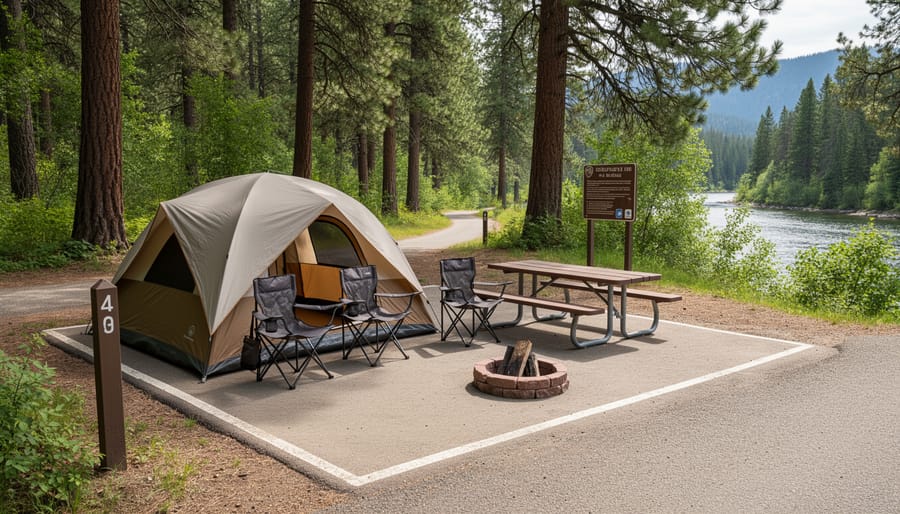
Alcohol is permitted within Ontario provincial parks, and adults aged 19 and over can enjoy it responsibly in most areas of operating parks. This means you can bring beer, wine, or spirits to your campsite and enjoy them during your stay, making for a relaxed evening around the campfire after a day on the trails. The key word is “responsibly”, parks enforce quiet hours and conduct standards, and remember that the registered permit holder is responsible for the conduct of all campsite occupants, including any alcohol-related issues.
Cannabis regulations follow provincial law, meaning adults 19 and over can possess and consume cannabis in most park areas where tobacco smoking is permitted. However, smoking or vaping of any kind, including cannabis, is prohibited in enclosed spaces, on beaches, and in playgrounds. Edibles offer a smoke-free alternative if you’re in areas where smoking isn’t allowed. Always check specific park rules when you arrive, as some parks may have additional restrictions in certain zones.
The bottom line: Ontario parks welcome responsible adult beverage consumption, but they’re family-friendly spaces where your actions affect everyone around you. Keep noise down, respect your neighbours, and enjoy your forest retreat without disrupting the peaceful experience others came for.
Ontario’s Best Provincial Parks for Forest Camping in 2026
Earl Rowe Provincial Park: A Forest Camping Gem
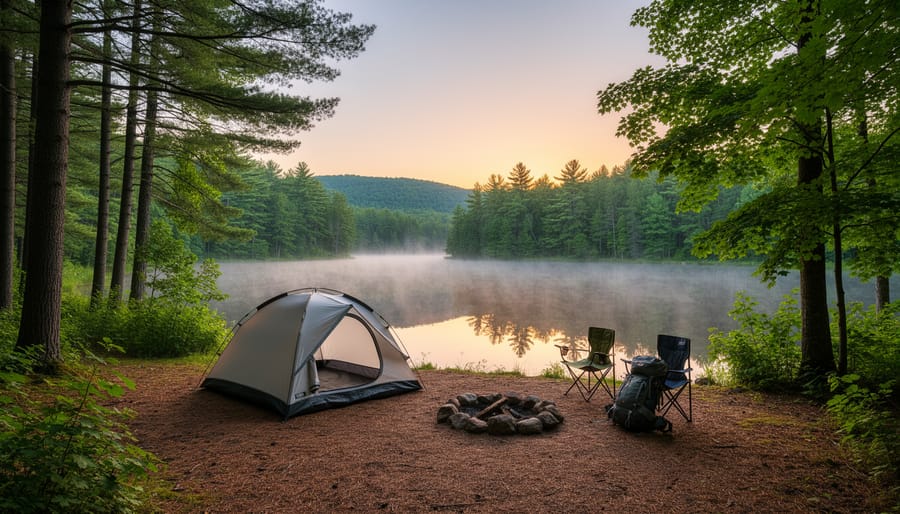
Earl Rowe Provincial Park stands out among relaxing Ontario spots for campers seeking peaceful, wooded escapes without sacrificing convenience. Located just north of Alliston, this park offers private and shaded campsites that cater to different camping styles, from RV sites with electrical hookups to radio-free zones for those wanting complete digital disconnection. Car camping sites provide easy access for families, while group campsites accommodate larger gatherings under the forest canopy.
The Earl Rowe season dates for 2026 run from May 8 to October 13, giving campers a full summer and early fall to experience the park’s tranquil setting. The variety of site types means you can choose your level of immersion. Radio-free sites appeal to campers who want nothing but birdsong and rustling leaves, while standard sites still offer the shade and privacy that make Earl Rowe feel like a true forest retreat.
Regular visitors praise the park’s ability to deliver seclusion despite its accessibility. The mature tree cover creates natural buffers between sites, and the layout prevents the cramped feeling common in more popular parks. If you’re exploring forest camping ideas for 2026, Earl Rowe deserves consideration for its balance of peaceful woodland atmosphere and practical amenities that make multi-day stays comfortable.
Park Passes and Daily Permits: What You Need to Know
Understanding the difference between Ontario Park Passes and daily vehicle permits helps you plan your camping budget and ensures smooth park entry. The 2026 Ontario Park Passes are now available for purchase and offer excellent value if you’re planning multiple visits throughout the season. These annual passes grant you unlimited vehicle entry to provincial parks from the date of purchase through the end of the calendar year, making them ideal for frequent campers who want to explore different parks or return to favourites multiple times.
Daily vehicle permits work differently. You can reserve a daily permit up to 5 days in advance at, and it covers a single day of vehicle access to a specific park. If you’re camping overnight, you’ll need a daily permit for each day of your stay unless you hold a valid park pass. Think of it this way: your camping reservation secures your campsite, but you still need either a park pass or daily vehicle permits to enter the park with your vehicle.
Choosing between them depends on how often you’ll camp in 2026. If you’re planning three or more camping trips, or if you enjoy day visits for hiking or picnicking between overnight stays, the annual pass typically pays for itself. For campers trying out one or two new parks or visiting just once this season, daily permits make more sense financially.
Keep in mind that specific fees for both park passes and daily permits vary by park and should be confirmed during your booking process. The reservation platform will show you the total cost including any applicable vehicle permits. Whether you’re heading to electric campsites or rustic backcountry spots, having the right permit ensures you’re ready for a hassle-free arrival.
How to Apply or Complete the Process
Booking your Ontario provincial park campsite is straightforward once you understand the steps. The entire reservation process runs through Ontario Parks’ official online platform at, where you’ll create an account, search for available dates and sites, and complete your booking with secure payment.
Start by visiting the reservation site and either logging into your existing account or creating a new one. You’ll need to provide basic contact information and payment details. Next, search for your preferred park and dates, remember that campsites can be reserved up to 30 days in advance, so plan accordingly for popular locations and peak season weekends. If you’re just visiting for the day, Daily Vehicle Permits can be reserved up to 5 days ahead through the same system.
When you find an available site that fits your needs, select it and review what’s included. The confirmation screen will show your campsite number, check-in and check-out dates, and the total cost. After payment, you’ll receive a booking confirmation via email that serves as your permit. Print or save this confirmation, you’ll need to present it when you arrive at the park.
As the registered permit holder, you’re responsible for the conduct of everyone at your campsite throughout your stay. This means ensuring your group follows park rules, respects quiet hours, and adheres to alcohol policies (adults 19+ can enjoy alcohol responsibly in most operating park areas). Looking for inspiration? Browse these 2026 camping ideas to make the most of your forest retreat once your reservation is confirmed.
Common Questions About Ontario Provincial Park Camping
Booking your Ontario provincial park camping adventure raises plenty of practical questions, especially for first-time campers or those trying the system for the first time. Here are the answers to the most common concerns we hear from campers planning their 2026 forest retreats.
How do I reserve a Daily Vehicle Permit?
You can book a Daily Vehicle Permit online at up to 5 days in advance. This option works well if you’re planning a day visit or haven’t secured a camping reservation yet.
How far in advance can I book camping online?
Campsites can be reserved up to 30 days in advance through the Ontario Parks reservation system. Popular parks like Earl Rowe fill quickly during peak season, so booking as soon as your desired dates become available gives you the best selection.
Are alcohol and cannabis allowed in provincial parks?
Adults aged 19 and over can enjoy alcohol responsibly in most areas of operating provincial parks. Cannabis regulations follow provincial guidelines, so check the specific park’s rules before your visit.
Can I spread the ashes of a loved one in provincial parks?
This requires advance permission from park management and follows specific provincial regulations. Contact the park directly well before your visit to discuss options and obtain necessary approvals.
Beyond these booking basics, many campers wonder about their responsibilities once they arrive. Remember that the registered permit holder is responsible for the conduct of all campsite occupants and could be charged with an offence based on the actions of anyone at the registered campsite. This makes it crucial to communicate park rules clearly with your group before arrival.
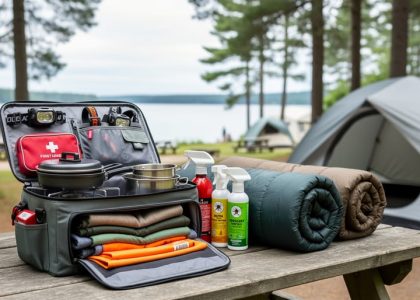
Safety concerns also come up frequently. Packing proper camping safety gear matters regardless of which park you choose, from first aid supplies to weather-appropriate equipment for Ontario’s variable spring and fall conditions.
If your question isn’t answered here, Ontario Parks’ customer service team can provide park-specific guidance on everything from accessible camping options to pet policies and seasonal considerations for forest camping locations.
Where to Get Help and Additional Resources
Need help with your Ontario provincial park camping reservation or have questions about a specific park? Ontario Parks offers multiple support channels to ensure you get the assistance you need.
The primary resource is the official Ontario Parks website at, where you’ll find park descriptions, amenity details, and current operating information. For reservation-specific questions or technical issues with the booking platform, contact the reservation support team through . They can help troubleshoot payment problems, modify existing bookings, or clarify availability questions.
For comprehensive support, use these official channels:
- Ontario Parks website () for general park information and planning resources
- Reservation platform support at for booking assistance and account issues
- Accessibility services line for information about accessible campsites and accommodations
- Individual park offices for site-specific questions, local conditions, and on-the-ground guidance
If you’re planning a visit to a specific park like Earl Rowe, calling the park office directly often yields the most detailed information about site characteristics, current trail conditions, and local wildlife activity. Park staff know their locations intimately and can recommend the best sites for your needs, whether you’re seeking maximum shade, proximity to amenities, or a quieter corner of the campground.
For accessibility accommodations or special-needs camping inquiries, reach out before booking so staff can guide you to the most suitable sites and ensure any necessary arrangements are in place. When contacting support, have your confirmation number ready if you’re calling about an existing reservation, and be specific about your dates and requirements to get the most helpful response.
Ontario’s provincial parks deliver exactly what campers crave: peaceful forest retreats with clear rules, straightforward booking, and the space to truly unwind. Whether you’re seeking the shaded privacy of Earl Rowe’s campsites or exploring other forested destinations across the province, the system is designed to get you outdoors with minimal hassle. Just remember the permit holder shoulders responsibility for everyone at the site, so brief your group on park rules before you arrive.
The 30-day booking window for campsites means popular parks fill fast, especially for summer weekends and long weekends. Start checking availability early in 2026, confirm current fees directly through the reservation platform, and secure your spot before someone else does. Daily vehicle permits can be booked five days out if you’re planning a shorter visit without camping.
Head to for real-time availability, current pricing, and the full list of operating parks this season. The 2026 park passes are already available if you’ll be visiting multiple times. With dozens of forested parks waiting and a booking system that works, your next forest camping escape is just a few clicks away.