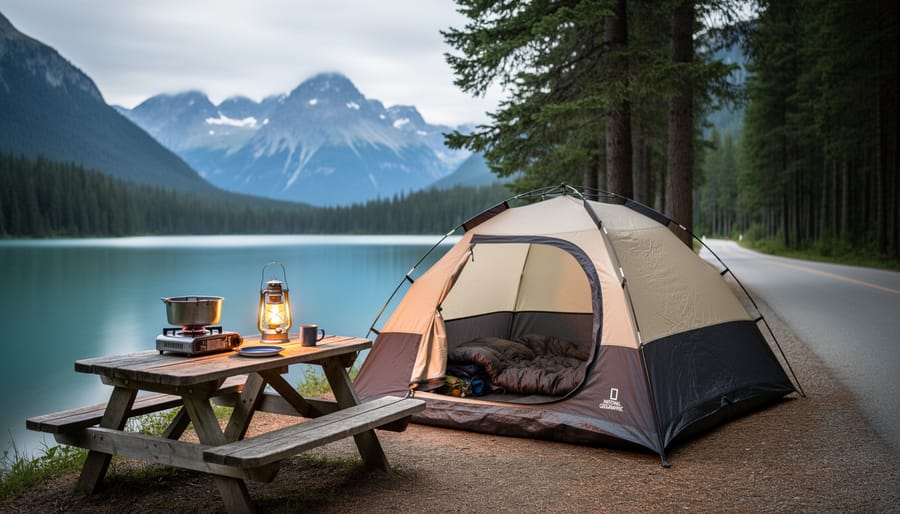
Whistler offers some of the most accessible mountain camping in British Columbia, with established campgrounds ranging from full-service RV parks to forested sites that put you minutes from alpine trails and glacier-fed lakes. Whether you’re planning a base camp for biking Whistler’s legendary trails or want a quieter alternative to resort lodging, you’ll find campgrounds open year-round and seasonal options tucked into the Callaghan Valley and along the Sea-to-Sky corridor.
The camping scene here differs from remote backcountry spots. Most Whistler-area campgrounds sit within a short drive of the village, offering conveniences like hot showers, laundry facilities, and easy access to grocery stores. Riverside Camping & RV Resort operates all 12 months with 100 RV sites and 14 cedar log cabins available even through ski season, making it a rare find for winter camping enthusiasts. Whistler RV Park & Campground welcomes tent campers and RVs at its Highway 99 location, while Whistler Olympic Park RV and Campground on Callaghan Valley Road puts you near Nordic skiing trails and summer hiking routes.
Planning a trip here requires understanding Whistler’s mountain climate. Even summer nights drop to single digits, and September can bring the first frost. A three-season tent works for July and August visits, but shoulder-season campers need four-season gear and sleeping bags rated to at least minus 5 degrees Celsius. Rain arrives without warning year-round, so waterproof layers and a solid rainfly aren’t optional.
This guide walks through the top campgrounds near Whistler with specific amenities, booking approaches that work for each location, and gear recommendations tailored to coastal mountain conditions. You’ll also find practical tips from campers who’ve learned which sites fill fastest and how to make the most of your stay in one of Canada’s premier outdoor destinations.
Why Camp in the Whistler Area
Whistler sits at the heart of British Columbia’s Coast Mountains, where alpine peaks meet old-growth forest and year-round adventure opportunities converge within minutes of your campsite. Camping here puts you in the centre of one of Canada’s most celebrated outdoor destinations, with hiking trails, mountain biking routes, and pristine lakes accessible directly from many campgrounds. Unlike urban camping or remote backcountry trips, Whistler camping offers the rare combination of wilderness immersion and convenient access to services, dining, and equipment shops when you need them.
The region attracts a wide spectrum of campers. Families appreciate the established campgrounds with modern amenities and the short drive from Vancouver (roughly two hours on the Sea-to-Sky Highway). Outdoor enthusiasts come for the hiking, trails range from easy valley walks to challenging alpine scrambles, and the legendary mountain biking that Whistler is known for globally. Even winter camping is viable here, with some facilities operating all year and backcountry options for experienced campers.
Wildlife viewing adds another dimension to the camping experience. Black bears are common throughout the area, particularly in spring and fall, and you’ll likely spot deer, squirrels, and various bird species around your campsite. Early mornings often reward patient observers with glimpses of animals moving through the valley.
The location itself functions as a gateway. From Whistler campgrounds, you can explore Garibaldi Provincial Park to the south, venture into Callaghan Valley to the west, or push north toward Pemberton and the more remote reaches of the Coast Mountains. You’re camping at a crossroads of BC’s best landscapes, with options that scale from a quick overnight to a multi-week exploration.
Top Campgrounds Near Whistler
1. Riverside Camping & RV Resort
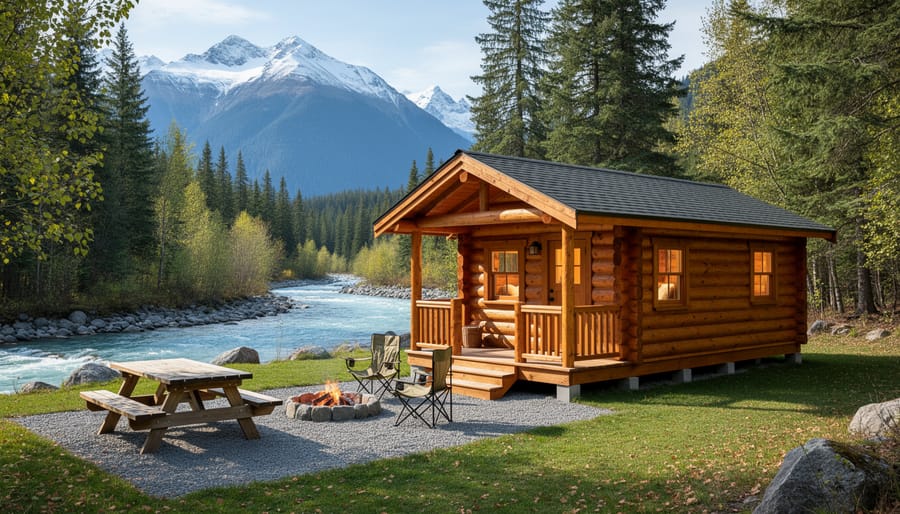
Riverside Camping & RV Resort stands as one of Whistler’s premier full-service camping destinations, combining convenience with comprehensive amenities. Located just minutes from Whistler Village, this year-round facility offers 100 spacious RV sites that accommodate everything from compact camper vans to large motorhomes. The resort’s all-season operation makes it particularly valuable for winter sports enthusiasts and those planning shoulder-season visits when many campgrounds close.
What sets Riverside apart is its flexibility in accommodation styles. Beyond the extensive RV sites, the resort features 14 cedar log cabins available throughout the year. These cabins provide an excellent middle ground for campers who want the outdoor experience without committing to tent or RV camping, especially during Whistler’s cooler months when nighttime temperatures can drop significantly even in summer.
Full-service RV resorts like Riverside typically offer electrical hookups, water connections, and sewer services at each site, along with heated washrooms, hot showers, and laundry facilities. These amenities transform a camping trip into a comfortable basecamp for exploring the region. You’ll usually find Wi-Fi access, fire pits, and picnic tables as standard features, though it’s worth confirming current offerings when booking.
This campground suits a wide range of visitors. RV travelers appreciate the full hookups and spacious sites, while families often choose the cabins for easier setup and weather protection. The year-round availability makes it ideal for anyone planning a Whistler ski trip or off-season mountain biking adventure. Its proximity to Whistler Village means you’re minutes from world-class restaurants, the Whistler Blackcomb ski resort, and the Peak 2 Peak Gondola, yet far enough to enjoy peaceful evenings surrounded by British Columbia’s coastal forest.
2. Whistler RV Park & Campground
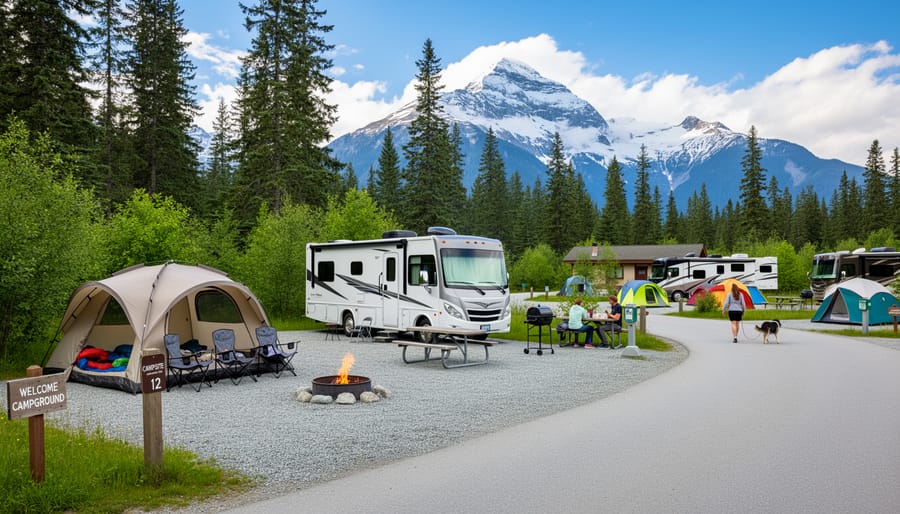
Whistler RV Park & Campground sits right on Highway 99, making it one of the most accessible camping options for visitors driving into Whistler. The location at 55 Hwy 99 puts you minutes from Whistler Village while keeping you close enough to the Sea-to-Sky corridor for easy day trips in either direction.
This campground caters to both RV travelers and tent campers, offering the flexibility that makes trip planning easier for groups with mixed camping preferences. RV sites typically provide the hookups and level parking pads that motorhome and trailer owners need, while dedicated tent areas give canvas campers their own space away from generator noise and vehicle traffic. This mixed-use setup means families can camp together even when some prefer the comfort of an RV and others want the traditional tent experience.
The highway-adjacent location delivers genuine convenience. You won’t spend twenty minutes navigating winding forest roads to reach your site, which matters when you’re arriving after a long drive or heading out early for adventures. Grocery runs, restaurant meals in Whistler, and access to trailheads all become simpler when your basecamp sits this close to the main route.
Reservations are available here, which removes the uncertainty of finding a spot during Whistler’s busy summer months and winter ski season. Being able to book ahead means you can lock in your camping dates as part of your overall trip planning rather than hoping for availability when you arrive.
For campers who want quick access to Whistler’s attractions without sacrificing the camping experience, this campground strikes a practical balance between location and outdoor atmosphere.
3. Whistler Olympic Park RV and Campground
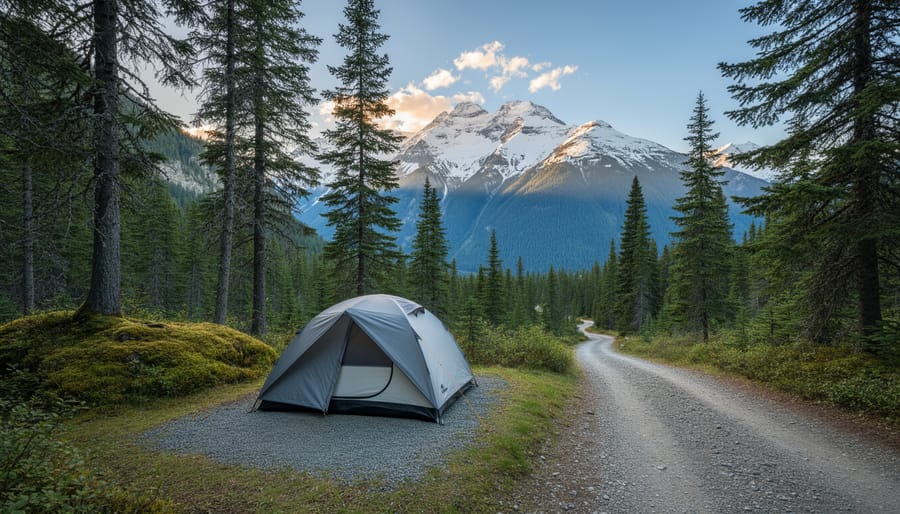
Nestled at 1500 Callaghan Valley Road, Whistler Olympic Park RV and Campground occupies a special place in British Columbia’s outdoor recreation landscape. This facility sits within the venue that hosted Nordic skiing events during the 2010 Winter Olympics, giving campers a chance to sleep where Olympic athletes competed. The location alone sets it apart from highway-adjacent options.
The Callaghan Valley setting delivers genuine mountain seclusion without sacrificing reasonable access to Whistler village. You’re tucked into a forested valley surrounded by peaks, yet still within a manageable drive of restaurants, shops, and trailheads. The trade-off is worth it if you prefer quiet evenings under the stars over the convenience of walking to amenities.
This campground appeals particularly to visitors who want more than a place to park overnight. The Olympic Park itself offers year-round recreation opportunities right from your site. In summer, you can explore the extensive trail network that winds through the valley. Winter transforms the area into a cross-country skiing and snowshoeing destination, making this one of the few campgrounds where you might consider winter camping if you’re properly equipped.
The surrounding wilderness means you’re in prime territory for spotting black bears, deer, and mountain birds, so proper food storage isn’t optional here, it’s essential backcountry practice. The remoteness also means you’ll want to arrive with your supplies already packed, as grocery runs require heading back toward the highway.
For campers seeking an authentic mountain experience with an Olympic twist, this spot delivers solitude and scenery in equal measure.
Essential Camping Gear for Whistler’s Mountain Climate
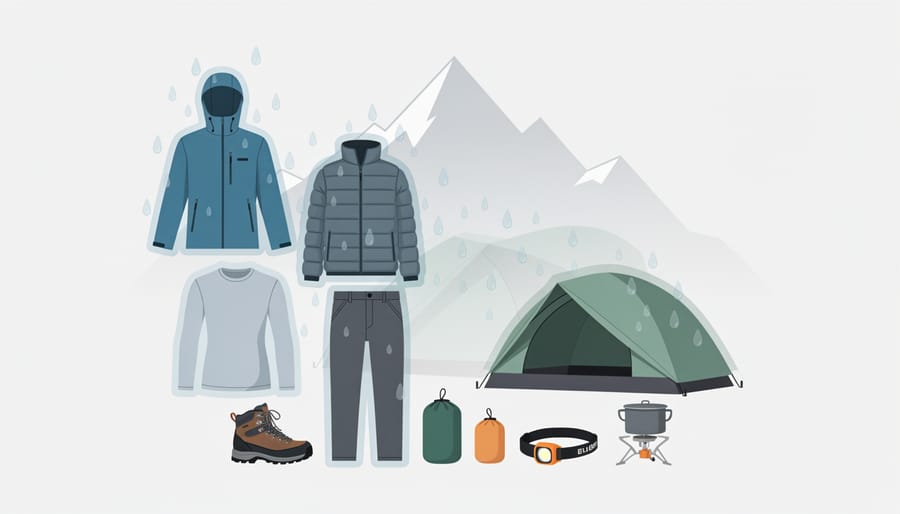
Whistler’s mountain environment demands thoughtful gear preparation. Temperatures can drop to near freezing overnight even during summer months, while afternoon thunderstorms roll through without warning. The elevation and proximity to coastal weather systems create conditions that shift rapidly, and black bears actively forage throughout the camping season. Your gear choices directly impact whether you’ll enjoy the stunning alpine setting or spend a miserable night shivering in a damp tent.
Start with a four-season or robust three-season tent rated for wind resistance. Whistler’s exposed campsites face gusts that can flatten lightweight shelters, and you’ll want a full rainfly that extends close to the ground. Pair this with a sleeping bag rated to at least 0°C for summer trips, many campers underestimate how cold these mountain nights get at 670 meters elevation. A closed-cell foam pad or insulated sleeping mat adds crucial ground insulation that an air mattress alone won’t provide.
Pack rainwear options that go beyond a simple jacket. You need waterproof pants, not just water-resistant ones, and consider bringing a tarp for your cooking area since Whistler averages 15-20 rainy days per month during peak camping season. Quality rain gear keeps you functional when weather moves in, letting you cook meals and explore trails rather than huddling miserably in your tent.
Your camping essentials list for Whistler should include:
- Four-season tent with sturdy stakes and guy lines for wind
- Sleeping bag rated to 0°C or lower, plus insulated sleeping pad
- Complete rain protection: jacket, pants, pack cover, and cooking tarp
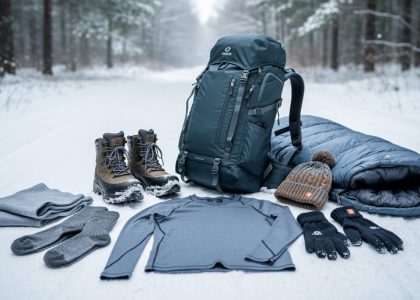
- Layered clothing system: base layers, fleece or down mid-layer, waterproof shell
- Bear-proof food storage containers or rope for proper food hangs
- Propane or white gas stove (more reliable than wood in wet conditions)
- Headlamp with extra batteries and backup light source
- First aid kit with blister treatment and emergency blanket
The camp cookware you bring matters more in mountain conditions. A windscreen for your stove prevents wasted fuel when gusts kick up, and a good pot lid dramatically reduces cooking time in cool air. Choose compact nested pots that pack efficiently while offering enough capacity for hot meals, comfort food hits differently when you’re cold and tired after a day on the trails.
Wildlife safety gear isn’t optional around Whistler. Bear spray, bear-proof containers, and rope for hanging food bags are essential safety gear that all campsites require. Store toiletries and scented items with your food, bears investigate toothpaste and sunscreen as readily as sandwich scraps. A whistle and headlamp also serve double duty for both wildlife encounters and general camp safety after dark.
Booking Your Whistler Campsite
Securing a campsite in the Whistler area requires planning, especially during peak seasons when mountain accommodations fill quickly. Advanced camping reservations are your best strategy for guaranteeing a spot near this popular destination. Verified campgrounds like Whistler RV Park & Campground accept reservations, which removes the uncertainty of first-come, first-served scrambles and lets you lock in your preferred dates well ahead of your trip.
The reservation process typically involves selecting your dates, choosing between RV sites and tent camping options where both are available, and paying a deposit or full amount upfront. Many campgrounds use online booking systems where you can view site availability in real time and filter by amenities you need. Have your arrival and departure dates ready, along with details about your camping setup (tent, RV length, number of people) to streamline the process.
When specific booking windows aren’t published or you’re planning outside traditional reservation periods, flexibility becomes valuable. Consider midweek arrivals rather than Fridays, which face heavier competition. Shoulder seasons, late spring and early fall, offer better availability while still delivering excellent weather and access to Whistler’s outdoor activities. Keep backup date ranges in mind, and check multiple campgrounds since one facility’s full dates might align with another’s availability.
For year-round options like Riverside Camping & RV Resort, winter camping reservations face less pressure than summer, opening opportunities for snow enthusiasts to secure mountain campsites near Whistler’s ski terrain. Contact campgrounds directly by phone if online systems don’t show what you need; managers sometimes hold sites or can suggest alternatives that haven’t appeared in digital inventories yet.
Getting There and Practical Information
Reaching Whistler’s campgrounds is straightforward from most major British Columbia starting points, with the scenic Sea-to-Sky Highway (Highway 99) serving as the main access route. From Vancouver, the drive takes approximately two to two and a half hours depending on traffic and road conditions. The 120-kilometre journey offers stunning coastal and mountain views, but requires attentive driving, the highway features winding sections, elevation changes, and heavy recreational traffic during peak seasons and weekends.
| Starting Point | Distance to Whistler | Approximate Drive Time | Main Route |
|---|---|---|---|
| Vancouver | 120 km | 2-2.5 hours | Highway 99 North |
| Squamish | 65 km | 45-60 minutes | Highway 99 North |
| Pemberton | 30 km | 25-30 minutes | Highway 99 South |
Plan extra travel time on Friday afternoons and Sunday evenings when Vancouver residents head to and from weekend getaways. Winter driving requires snow tires from October through March, and chains may be necessary during active snowfall.
Most Whistler-area campgrounds provide designated parking at your site, whether you’re in an RV or tent camping. The campgrounds featured in this guide sit along Highway 99 or nearby access roads, making them easy to reach without navigating complex rural routes. Whistler RV Park & Campground at 55 Highway 99 offers particularly convenient access directly from the main highway.
Accessing Whistler Village from your campground typically requires a short drive, as most camping facilities sit outside the pedestrian village core. Budget five to fifteen minutes for the trip depending on your campground location. Check-in times generally run from early to mid-afternoon, while checkout typically falls in late morning, though policies vary by property. Contact your chosen campground directly to confirm their specific timing and any flexibility they offer for early arrivals or late departures.
Local Tips for Whistler Campers
Bear safety isn’t optional in Whistler, it’s essential. Black bears are active throughout the area, and all campgrounds require secure food storage in bear-proof lockers or your vehicle. Never leave coolers, food scraps, toiletries, or scented items outside your tent overnight. If you’re cooking, do so at designated areas well away from your sleeping space, and pack out all garbage immediately. Campground staff take these protocols seriously, and non-compliance can result in removal from the site.
Weather shifts quickly in mountain environments. Summer days might reach 25°C, then drop to 5-10°C at night. Pack layers even in July and August, a warm fleece, rain jacket, and waterproof pants will save your trip when clouds roll in. Spring and fall bring more rain and cooler temperatures, while winter camping requires four-season gear and experience with snow conditions. Check Environment Canada forecasts before you leave, but prepare for rain regardless of the prediction.
For supplies, stock up before reaching your campground. The Nesters Market and Whistler Marketplace in Whistler Village carry groceries and camping basics, though prices run higher than Vancouver. If you’re driving from the Lower Mainland, consider provisioning in Squamish at Save-On-Foods, it’s your last chance for affordable bulk shopping before the resort pricing kicks in.
What should I do if I encounter a bear near my campsite?
Make yourself appear large, speak in a calm but firm voice, and back away slowly without turning your back. Never run. Most bears will leave if you give them space and an escape route.
What’s the best season for camping near Whistler?
July through September offers the most stable weather and warmest temperatures, making it ideal for families and first-timers. June and October are quieter but wetter, while winter camping suits experienced cold-weather campers only.
Are Whistler-area campgrounds family-friendly?
Yes, campgrounds like Riverside Camping & RV Resort cater specifically to families with amenities like playgrounds and cabin options. Most sites welcome children and offer easy access to family hiking trails.
What can we do if it rains during our camping trip?
Whistler Village is minutes away with indoor activities like the Squamish Lil’wat Cultural Centre and heated pools. Bring card games, books, and a quality rain fly, wet weather camping is part of the BC experience.
Hiking trailheads abound near every campground. The Ancient Cedars Trail off Cougar Mountain Road offers an easy family walk through old-growth forest. More ambitious hikers can tackle Garibaldi Lake or Rainbow Falls, both accessible from Highway 99. Start early, trailhead parking fills by mid-morning in peak season.
You’ll likely spot wildlife beyond bears. Deer graze near campsites at dawn and dusk, while Steller’s jays and whiskey jacks become bold around picnic tables. Lucky visitors might see river otters in streams or catch a glimpse of a black-tailed deer fawn in early summer. Keep binoculars handy and observe from a respectful distance, never approach or feed any animal.
Respect quiet hours, typically 11 PM to 7 AM. Whistler attracts international visitors unfamiliar with wilderness camping etiquette, so set a good example by keeping generator use minimal and music low. Leave your site cleaner than you found it, and remember that you’re sharing these mountain spaces with both wildlife and fellow campers seeking peace.
Whistler’s camping scene truly has something for everyone. Whether you’re rolling up in an RV and want full hookups at Riverside Camping & RV Resort, pitching a tent at Whistler RV Park & Campground, or seeking the mountain solitude of Whistler Olympic Park, you’ll find a basecamp that matches your style and skill level. The key to a successful trip is preparation: pack the right gear for unpredictable mountain weather, secure your reservation well ahead of peak seasons, and arrive ready to explore everything from alpine hiking trails to world-class bike parks.
The Coast Mountains don’t wait for anyone, and neither do Whistler’s best campsites. Take the time to choose the campground that fits your needs, gather quality equipment that can handle cool nights and sudden rain, and you’ll set yourself up for an unforgettable outdoor experience. Canadian Forest Camping makes finding and booking your perfect Whistler-area campsite straightforward, so you can spend less time planning and more time enjoying the mountains. Your adventure starts the moment you reserve your spot.