The KLOW Stack is a research peptide blend that combines four compounds in one formulation: GHK-Cu, BPC-157, TB-500, and KPV. Each is a short chain of amino acids that scientists have studied in lab settings for its role in tissue repair, cell signalling, and inflammation. The Kylo KLOW Stack packages them together so researchers can look at how the four behave as a set rather than one at a time.
Why does it matter to a camping and outdoors audience? Because we hear the same questions on the trail and around the fire pit. After a long portage in Algonquin or a week of scrambling in the Rockies, people get curious about what the science says about recovery, and the internet is full of big promises. The honest picture is more modest. Most of the evidence comes from cell and animal studies, human data is limited, and these products are sold for research use only, not as treatments.
This article breaks down what each of the four peptides is, how the blend is meant to work in theory, and how it’s handled in a research setting. We’ll keep it plain, practical, and safety-first, so you can separate genuine information from hype before you decide what to make of it.
What the KLOW Stack Means: A Plain-Language Definition
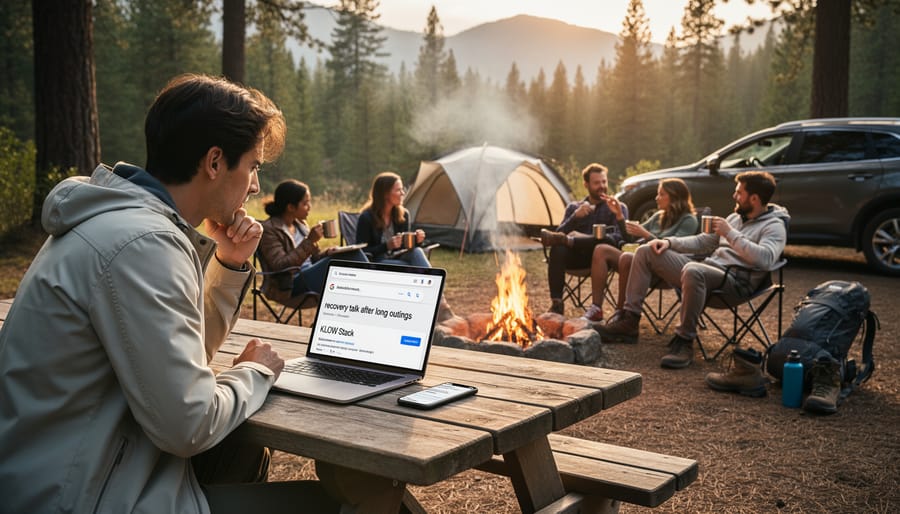
Let’s start with the basics. A peptide is a short chain of amino acids, the same building blocks that make up proteins. Think of a protein as a long hiking trail and a peptide as a short loop off the main path: same terrain, much smaller scale. Your body makes thousands of peptides naturally, and many act as tiny messengers between cells.
A “stack” simply means several compounds combined or used together, and a “research blend” is a mixture sold for laboratory study. So the KLOW Stack is a four-peptide mixture marketed for research. Here are the key terms in one place:
- Peptide
- A short chain of amino acids that can act as a signalling molecule in the body.
- Amino acid
- One of the small organic building blocks that link together to form peptides and proteins.
- Stack
- A combination of several compounds grouped together, often in a single product.
- Research-use-only
- A label meaning the product is intended for laboratory study, not for people to take.
- Health Canada authorization
- Formal approval that a product has been reviewed for safety, quality, and effectiveness before it can be sold as a health product.
That last pair of terms matters most. The KLOW Stack carries a research-use-only label, and it is not authorized by Health Canada as a treatment. Health Canada has warned about unauthorized peptides not approved for human use, noting that products bought online can carry real risks. Without that review, there’s no guarantee of what’s actually in the vial.
One more caveat: the name and exact formulation can vary from seller to seller. Treat everything here as general information, not a precise product specification.
The Four Peptides Inside the Blend
BPC-157 and TB-500: The Tissue-Repair Research Pair
Two of the four peptides in the KLOW Stack usually get grouped together because both are studied around tissue repair. Here’s a quick look at each, since they come from quite different places.
- BPC-157: a short chain of amino acids modelled on a fragment of a protein found in stomach fluid, studied in the lab for tendon, muscle, and gut tissue healing.
- TB-500: a synthetic fragment related to thymosin beta-4, a protein found in many tissues, studied for cell movement and tissue repair.
The common thread is the research setting. Most of what we know about both comes from cell cultures and animal models, such as rats with injured tendons, rather than from large, well-controlled human trials. That distinction matters. A result in a lab dish or a rodent doesn’t automatically carry over to people, and plenty of promising early findings never do.
Think of it like a trail map drawn from a drone flyover. It shows you the rough shape of the terrain, but you wouldn’t plan a multi-day route without walking the ground first. These two peptides have had some interesting flyovers, but the on-the-ground human evidence is still thin, which is a good reason to treat the buzz around them with healthy curiosity rather than confidence.
KPV and GHK-Cu: The Inflammation and Skin-Biology Pair
KPV is a very short peptide, just three amino acids: lysine, proline, and valine. It’s actually a small piece of a larger natural hormone involved in the body’s inflammation signalling. In laboratory studies, researchers have looked at KPV in cell cultures and animal models of gut and skin inflammation, mostly to understand how it might calm certain immune signals. That work is still early, and it hasn’t produced proven human treatments.
GHK-Cu is a bit different. It’s a naturally occurring tripeptide (glycine, histidine, lysine) that binds tightly to copper. Scientists first noticed it in human blood plasma, and they’ve since explored it in lab research on skin biology, wound healing, and how cells respond to copper. You’ll sometimes see it in cosmetic products at very low concentrations, but that’s a different matter from the research-grade material in a blend.
Think of these two as the “calm and renew” pair in the stack’s theory. KPV is studied for how it may dial down inflammatory signalling, while GHK-Cu is studied for its role in tissue and skin remodelling. Most of what we know comes from test tubes and animal studies, so it’s best read as an interesting research story, not a promise of results for campers sore after a long day on the trail.
How a Four-Peptide Research Blend Works in Theory
Peptides are thought to work as messengers. A peptide binds to a receptor on a cell’s surface, and that contact can switch on a chain of signals inside the cell, nudging it to behave a little differently. That’s the basic idea behind most peptide research, and it’s why scientists study these compounds in controlled lab settings, such as cell cultures and animal models, where they can watch exactly what changes and what doesn’t.
So why blend four of them? The reasoning is that tissue repair, inflammation, and skin biology all involve several overlapping pathways at once. A blend lets researchers explore multiple signalling routes together rather than testing one peptide at a time. It’s an interesting hypothesis, but it stays a hypothesis. Studies of this particular combination in people are extremely limited, and how the four peptides might interact is largely unknown.
Think of a camp kitchen. Each ingredient has its own job: the salt seasons, the oil carries heat, the onions add sweetness. But nobody has verified that this exact recipe, cooked on this particular stove, turns out safe and delicious every time. Each peptide may do something on its own in a lab dish, yet the finished blend hasn’t been taste-tested by any regulator.
This is why “how it works in theory” and “proven to work” are very different statements. A mechanism that makes sense on paper can still fail, or cause problems, once it meets a real human body. There’s a practical concern too. Products sold outside regulated channels aren’t held to consistent manufacturing standards, so what’s on the label may not match what’s in the vial. Purity can vary, contaminants are possible, and the actual dose is a guess. Even a promising ingredient list can’t make up for that uncertainty.
How the KLOW Stack Is Used: Research Settings Versus Real-World Claims

In a laboratory, the KLOW Stack’s peptides are studied in fairly controlled ways. Researchers work with cell cultures in dishes and with animal models, watching how a compound behaves under tightly managed conditions. They use verified materials, measured amounts, and careful records. That setting is what “research use” really means, and it is where nearly all the existing evidence comes from.
The real world looks very different. Scroll through social media or a recovery forum and you’ll find people sharing their own experiences with peptide blends, often with confident claims about faster healing or less soreness. Treat those posts with caution. They are personal anecdotes, not controlled studies, so there’s no way to separate a peptide’s effect from rest, placebo, or simply time passing. Product quality is also a question mark, since nobody can check what’s actually in the vial from a photo.
The Canadian angle matters here too. Peptides marketed for self-administration aren’t authorized health products in Canada, which means they haven’t been reviewed for safety, purity, or accurate labelling. Unregulated products can be mislabelled, under-dosed, or contaminated, and a “research use only” label doesn’t change that. If you’re curious about any of this, a conversation with a doctor or pharmacist is the right first step.
Meanwhile, a camper’s best recovery tools are far simpler and well proven. After a long day on a portage or a steep trail, rest, plenty of water, gentle stretching, a good meal, and a solid night’s sleep do most of the heavy lifting. A comfortable campsite makes all of that easier, and our guide to camping recovery basics walks through practical ways to wake up refreshed and ready for the next adventure.
Real Camper Stories: Recovery Lessons From the Trail
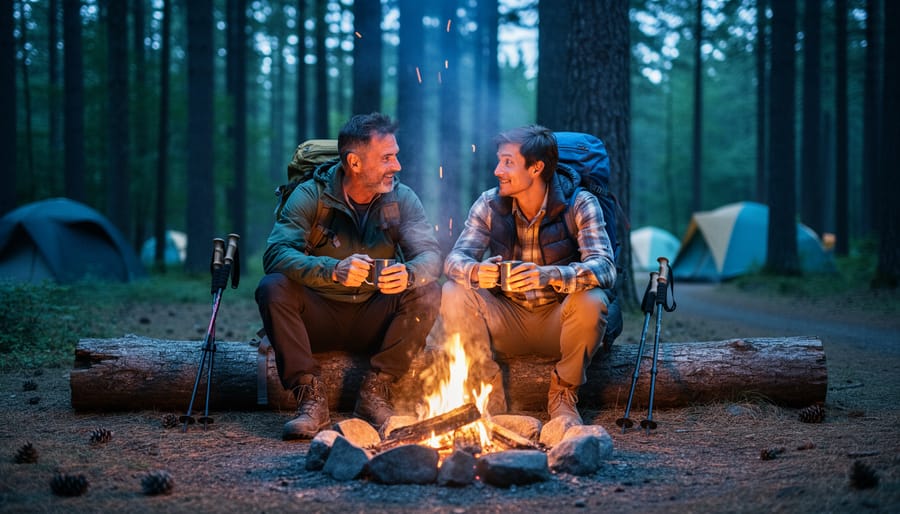
Here’s a story that comes up again and again when hikers swap notes around the fire. It’s a composite of several reader-shared trips, not one person’s account. After four days on the Bruce Trail, one hiker, whom we’ll call Dana, hobbled into camp with sore legs and a grumpy mood. She’d been skipping rest days to hit her mileage goals, and her body was telling her to stop.
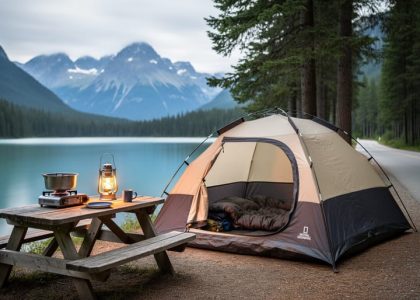
So she did. She added a rest day, swapped her thin pad for a thicker one, and leaned on salty snacks and electrolyte-rich meals instead of just trail mix. By the next morning she felt like a new person. Her tent was near a quiet lake, and at dawn she watched a pair of loons drift through the mist while she sipped hot tea. She says she never would have seen it if she’d been rushing down the trail.
Her takeaway is simple: proven basics work. Pack smart, rest well, and review some outdoor safety tips before you go. A solid list of recovery essentials can make your whole trip more enjoyable.
Common Questions About the KLOW Stack
Here are straight answers to the questions campers ask most about this blend.
Is the KLOW Stack legal in Canada?
Products like this are generally sold labelled “for research use only” and are not authorized by Health Canada as treatments for people. Rules around buying, selling, and importing them can be complicated, so check current Canadian guidance or ask a pharmacist before assuming anything.
Is it safe?
Nobody can promise that. Its components have mostly been studied in labs and animals, and unregulated products can be mislabelled, impure, or contaminated, which is a real risk when something isn’t made for human use.
Does it really help recovery?
There’s no solid human evidence that the combined blend speeds up recovery after hikes or paddles. Online stories are interesting, but they aren’t proof.
Why is it labelled for research only?
That label means it’s meant for laboratory work, not for taking yourself. It also means it hasn’t gone through the safety and quality checks that approved health products do.
So what actually helps after a long day on the trail? The boring basics still win. Drink plenty of water, eat a proper meal with some protein and salt, stretch gently, and get a full night’s sleep on a good pad. Building in a rest day on a multi-day trip does more for tired legs than almost anything you can buy.
If you have an injury that won’t settle or you’re curious about any supplement or peptide, talk with a doctor, pharmacist, or physiotherapist first. They can look at your situation and point you toward options that are safe and proven. Your campsite is a great place to take that advice, sit back, and let your body do what it already does well.
So, to sum up the KLOW Stack: it’s a research blend that combines four peptides (BPC-157, TB-500, KPV, and GHK-Cu) in one product. Most of what we know about these ingredients comes from early laboratory and animal studies, not from solid human evidence. The blend’s real-world use is unproven, and in Canada it isn’t authorized for self-administration, so there’s no regulator standing behind its purity or dosing.
The good news is that your best recovery tools are already within reach. Rest days, plenty of water, steady meals, gentle stretching, and a full night’s sleep on a comfortable pad do more for tired legs than any online trend. Pair those habits with a quiet setting, and you’ll feel the difference by morning.
When you’re ready for your next trip, start with Canadian Forest Camping. Use the interactive map and real-time availability to find a peaceful site, and check out some of the best places to relax in Ontario. Then settle in, listen for the loons, and let proven rest do its work.